Moldovans Race to Save 500 Soviet-Era Mosaic Masterpieces
A team of digital activists in Moldova has documented over 500 stunning Soviet-era mosaics hidden in plain sight across their country. Their citizen-led project is saving disappearing art and changing how the nation sees its own cultural heritage.
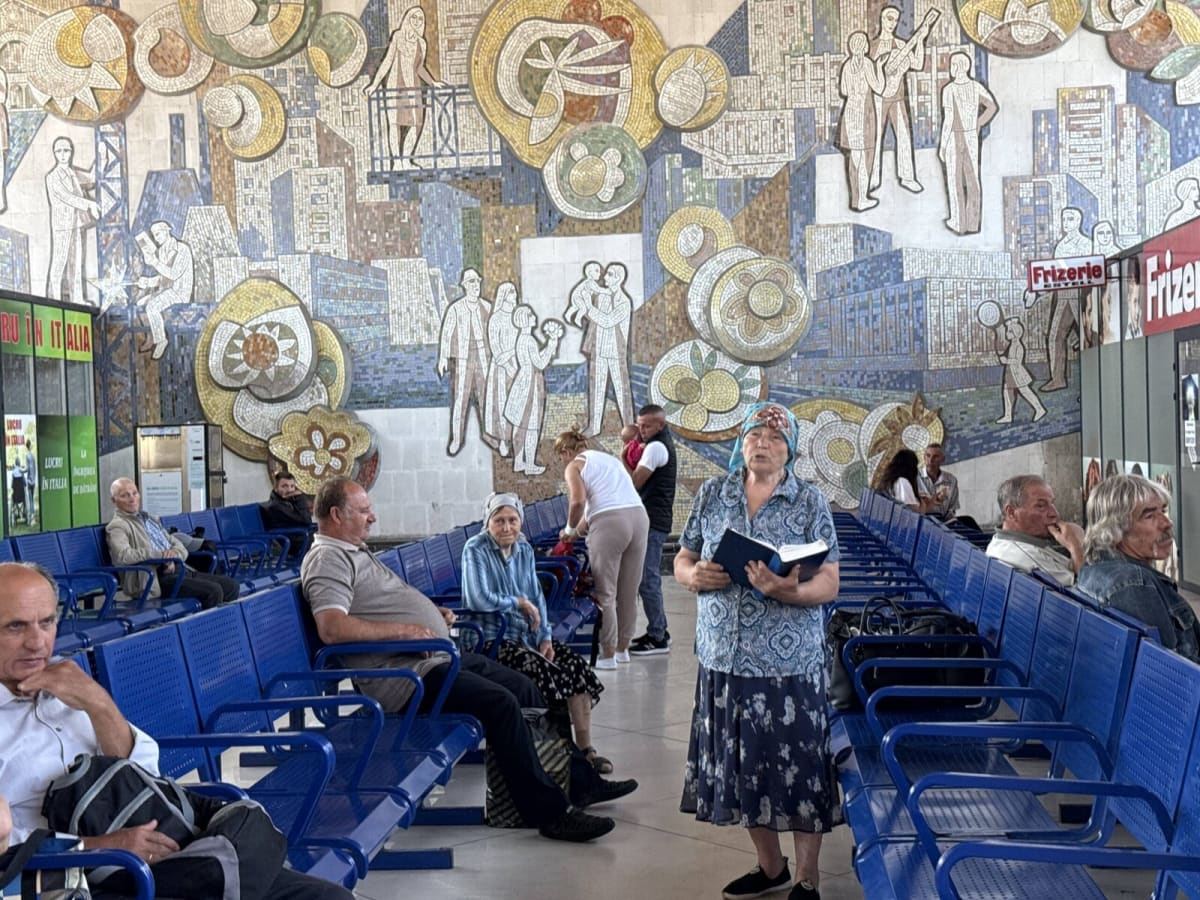
Behind the worn ticket booths at Chisinau's central bus station, a breathtaking 50-year-old mosaic spans an entire wall, and most Moldovans have no idea it exists.
Alex Buretz, a 42-year-old political cartoonist, is on a mission to change that. Since 2020, he and a team of activists have been racing to document hundreds of dazzling Soviet-era mosaics scattered across Moldova before they vanish forever.
Their project, Mosaics of Moldova, has logged more than 500 pieces so far. The artworks appear everywhere from rural bus stops to city banks, depicting traditional scenes of grape harvests, towering skyscrapers, and even Soviet space exploration with luminous moons and stars.
These colorful treasures emerged during a unique period in Soviet history. When leader Nikita Khrushchev imposed strict limits on building designs in the 1950s, authorities allowed creativity in one form: mosaics.
For three decades, artists like Mikhail Burya and Pavel Obuh covered Moldova's landscape with handmade glass and ceramic masterpieces. Burya's 1974 piece "The City is Flourishing and Being Built" shows workmen welding and residents bustling through angular streets in red, yellow, white and blue fragments.
But without maintenance or legal protection, many mosaics have crumbled or been deliberately destroyed. One mosaic-covered bus station on Chisinau's outskirts was recently demolished and replaced with what Buretz calls a "soulless" modern stop.
The team is fighting back with technology. They're using photogrammetry to create precise 3D digital copies of each mosaic, capturing them from multiple angles before they disappear.
The Ripple Effect
The grassroots approach is working beyond anyone's expectations. Public submissions now help identify previously unknown mosaics, and news coverage has spread awareness across the country.
Similar preservation projects have launched in other post-Soviet nations like Ukraine and Latvia. Art critic Ieva Astahovska, who chaired a conference on Soviet-era monuments, says these artworks tell crucial stories about the past.
"When they are removed, it's just like leaving a blank page in history," she explains. The relatively neutral subject matter of Moldova's mosaics makes them especially worth saving as cultural artifacts rather than political symbols.
The project has begun forcing institutions to take notice and even change policy. Buretz and his team are proving that ordinary citizens armed with cameras and passion can protect cultural heritage when governments won't.
As more Moldovans discover the hidden beauty in their everyday landscapes, they're learning to see their country through new eyes.
Based on reporting by Reasons to be Cheerful
This story was written by BrightWire based on verified news reports.
Spread the positivity!
Share this good news with someone who needs it