Moldova's Forest Festival Brings €25K to Rural Villages
A spring festival in Moldova's ancient beech forests is turning conservation into cash for struggling rural communities. Over 3,500 visitors last year brought vital income while protecting biodiversity.
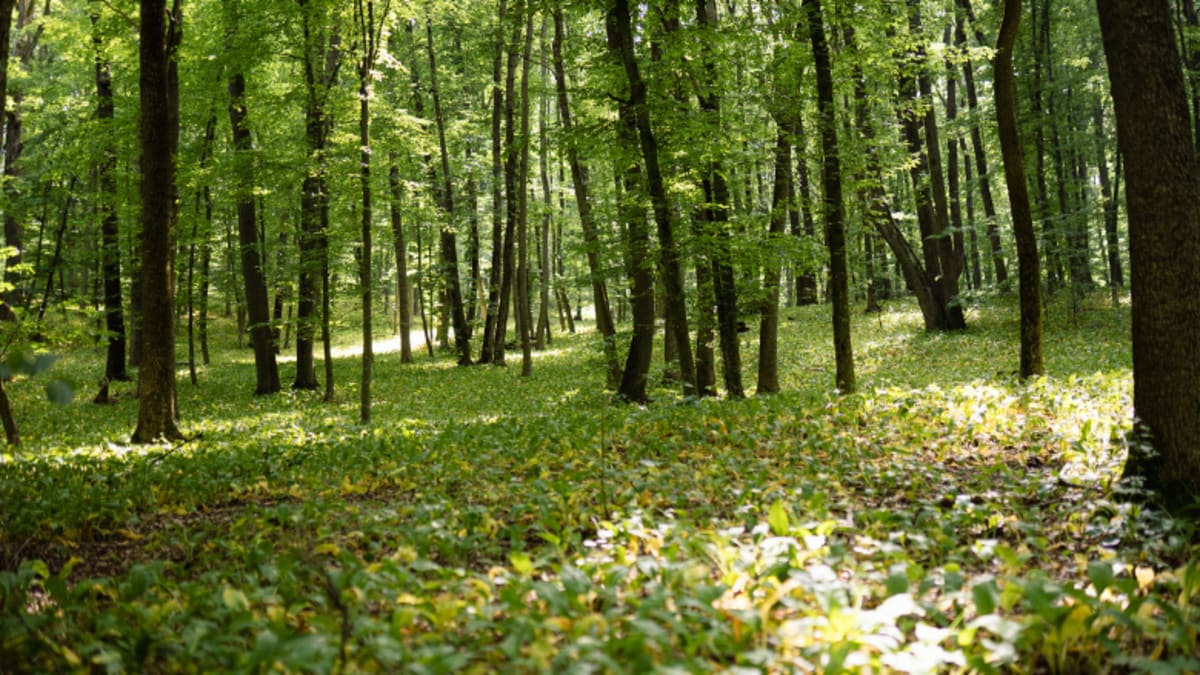
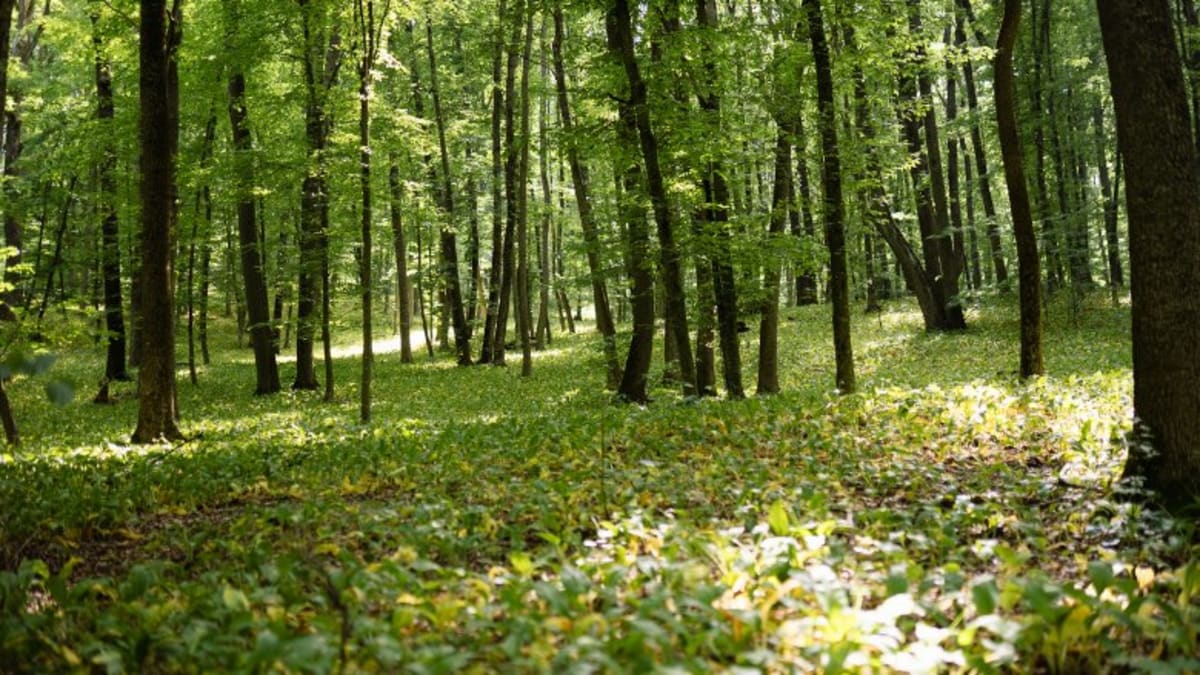
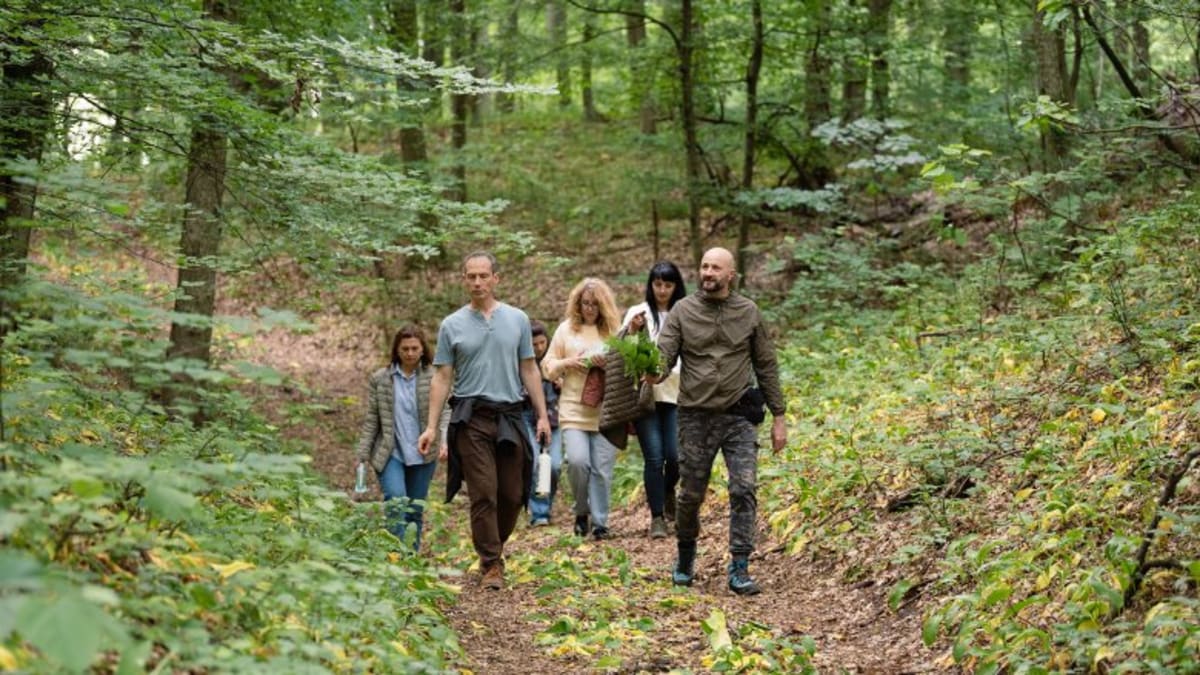
Every spring, something magical happens in Moldova's Plaiul Fagului Nature Reserve. Thousands of people stream into ancient woodlands for the Beech Festival, where local honey, foraged mushrooms, and folk music celebrate a forest that's becoming an economic lifeline.
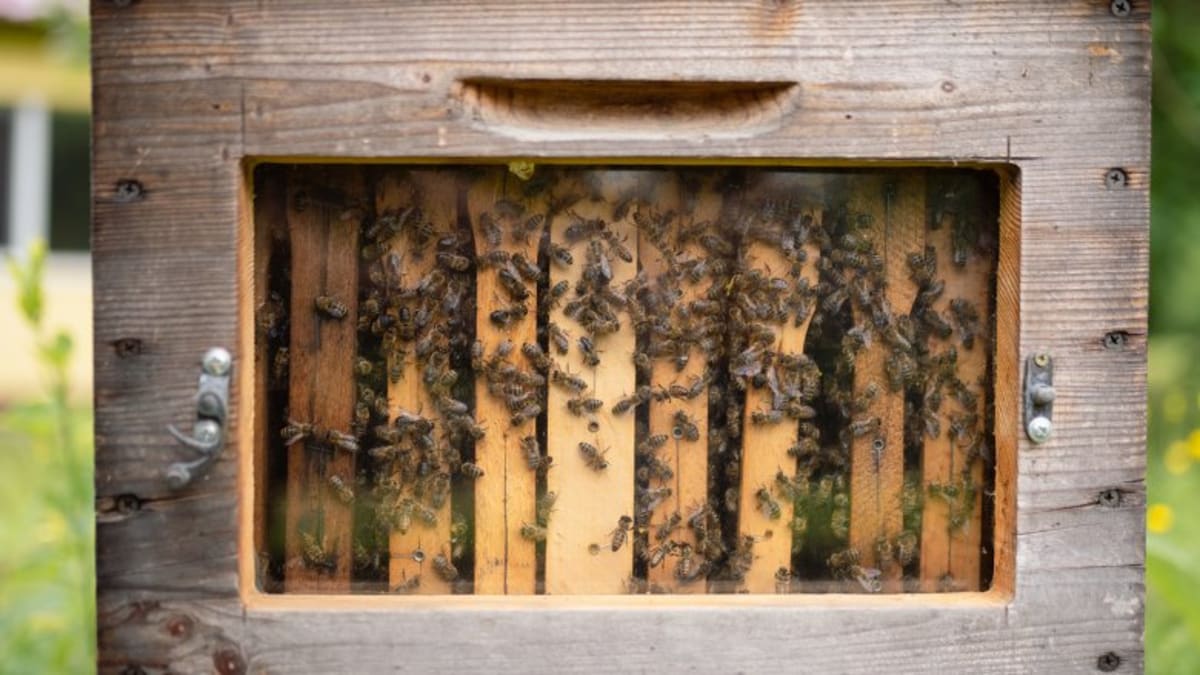
Last year, 3,500 guests generated €25,000 for communities that desperately need it. Vendors like Galina Cernei sell golden linden honey harvested from the reserve's flowering trees. "No trees, no honey," she says simply, capturing how her family business depends entirely on healthy forests.
Ana Tarus and her folklore group prepare traditional dishes with mushrooms foraged from the woodland floor. "As long as our forest exists, our folklore exists," Ana explains, highlighting the deep cultural roots binding people to these trees.
The 5,642-hectare reserve protects ancient oaks, wild cherry, hornbeam, and European beech at the eastern edge of its natural range. These forests do more than look beautiful. They filter drinking water, shield communities from storms and heatwaves, and support pollinators crucial for Moldova's agriculture.
With only 11% forest cover, Moldova can't afford to lose what little woodland remains. That's why the country is investing in conservation as economic development, supported by the World Bank and EU4Environment program.
The Ripple Effect
Ludmila Ursatiev oversees economic development across 33 villages in the Ungheni District. She sees Plaiul Fagului as proof that protecting nature creates jobs and opportunities in places young people usually abandon.
"Every village here should host at least one tourism enterprise," Ludmila says. "Moldovans are wonderful hosts, they just don't see it as a business opportunity yet."
That mindset is shifting fast. A new bridge connecting the region to Romania via highway will soon bring even more visitors seeking guesthouses, restaurants, wineries, and outdoor experiences like hiking and birdwatching.
Moldova has committed to raising forest coverage from 11% to 17% by 2032 as part of joining the European Union. Forest maintenance and restoration will employ thousands in rural areas while strengthening the timber industry.
"We work to preserve what remains for future generations," says Veronica Josu from Moldova's Ministry of Environment. The Emerald Network sites like Plaiul Fagului are becoming models for how conservation and commerce can thrive together.
Galina acknowledges that many young people have left her village searching for work elsewhere. "We left too once, but now we have returned," she says, standing beside jars of honey that tell a story of roots, resilience, and renewal.
More Images
Based on reporting by Google News - Economic Growth
This story was written by BrightWire based on verified news reports.
Spread the positivity!
Share this good news with someone who needs it