Mom Beats Stage 4 Cancer After Friend Donates Liver
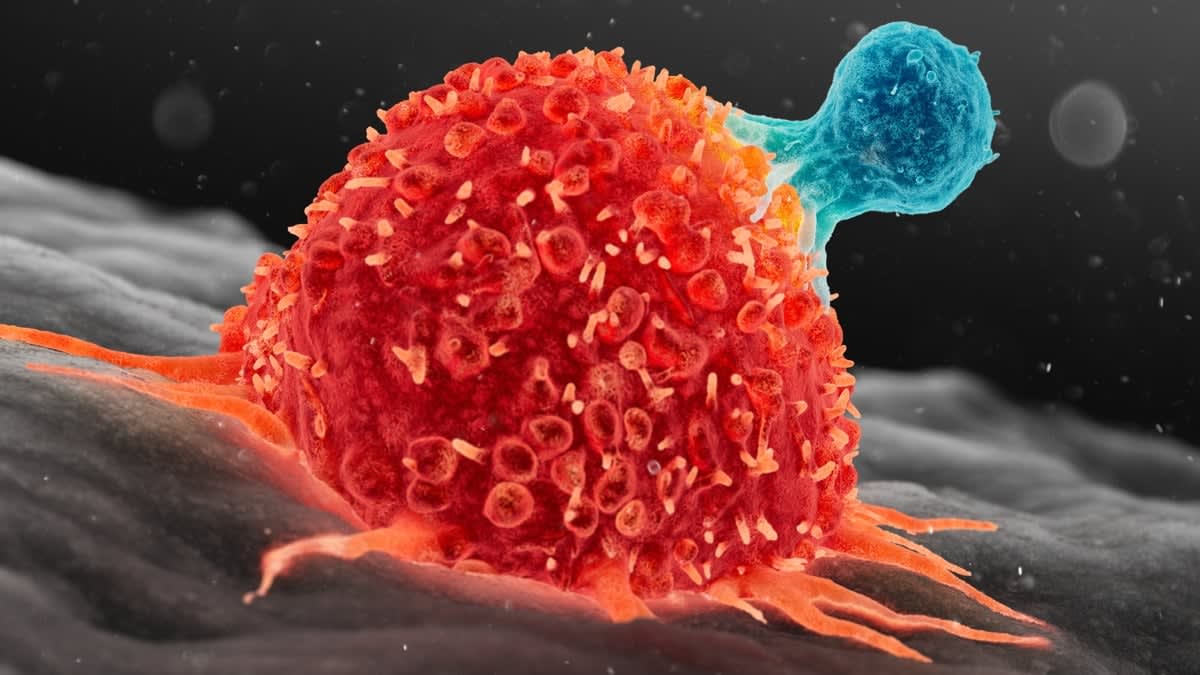
A Los Angeles mom of three has no evidence of disease three months after receiving a partial liver transplant from a close friend. Amy Piccioli's story showcases a rare lifesaving treatment for colorectal cancer that has spread to the liver.
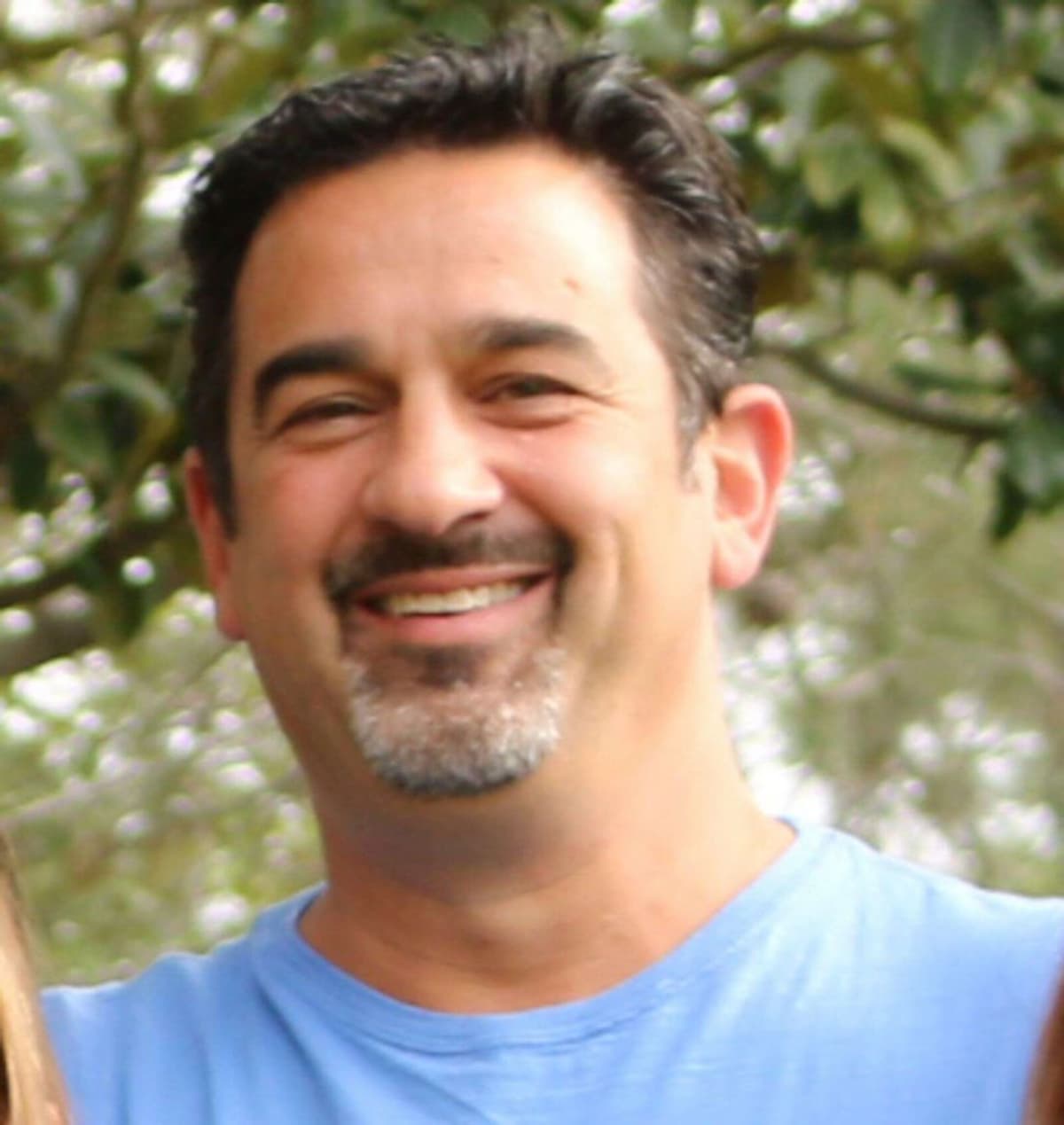
Amy Piccioli walked into an emergency room in May 2024 feeling dehydrated and walked out with a Stage 4 colorectal cancer diagnosis. The 39-year-old mom of three had no symptoms, no family history, and no warning that cancer had already spread to her liver.
"I had no symptoms of colon cancer, nothing," Piccioli said. "For this to happen was just such a shock to me, because I am so cognizant of changes in my body."
But two years later, Piccioli is cancer-free. She received a partial liver transplant from an unexpected donor: her close friend Lauren Prior, a 37-year-old Illinois mom who turned out to be a perfect match.
Piccioli underwent chemotherapy and immunotherapy, but doctors told her these treatments offered very poor chances for long-term survival. She was referred to Northwestern Medicine in Chicago, one of the only programs in the U.S. offering liver transplants specifically for colorectal cancer patients.
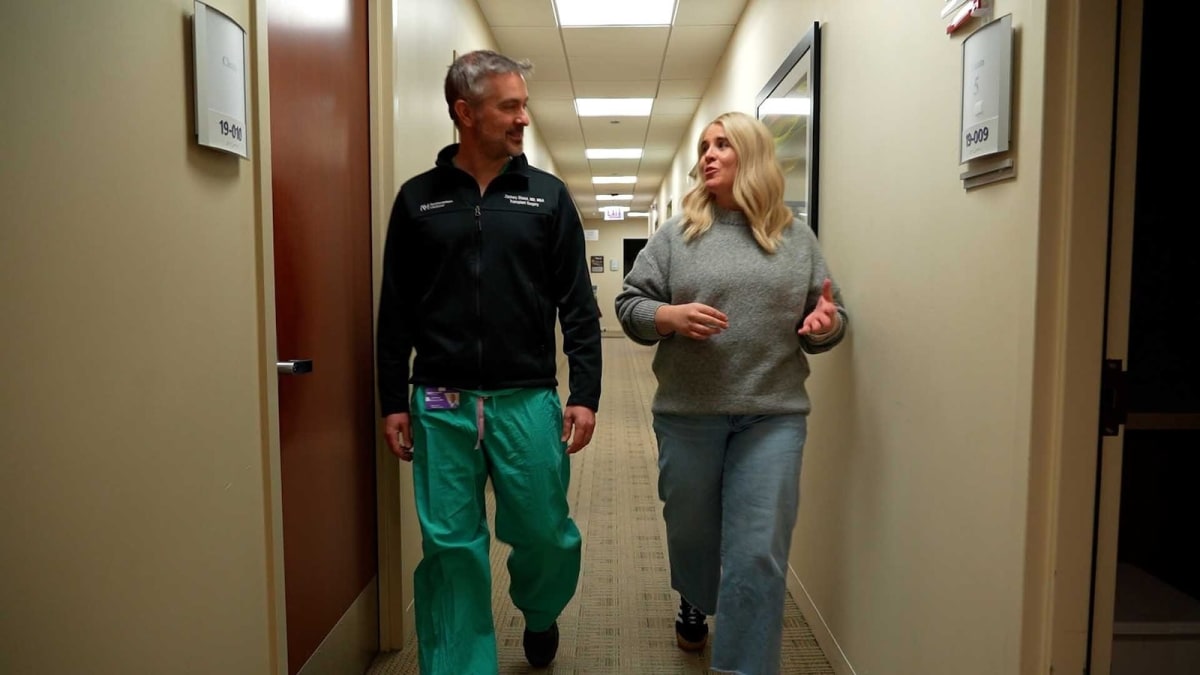
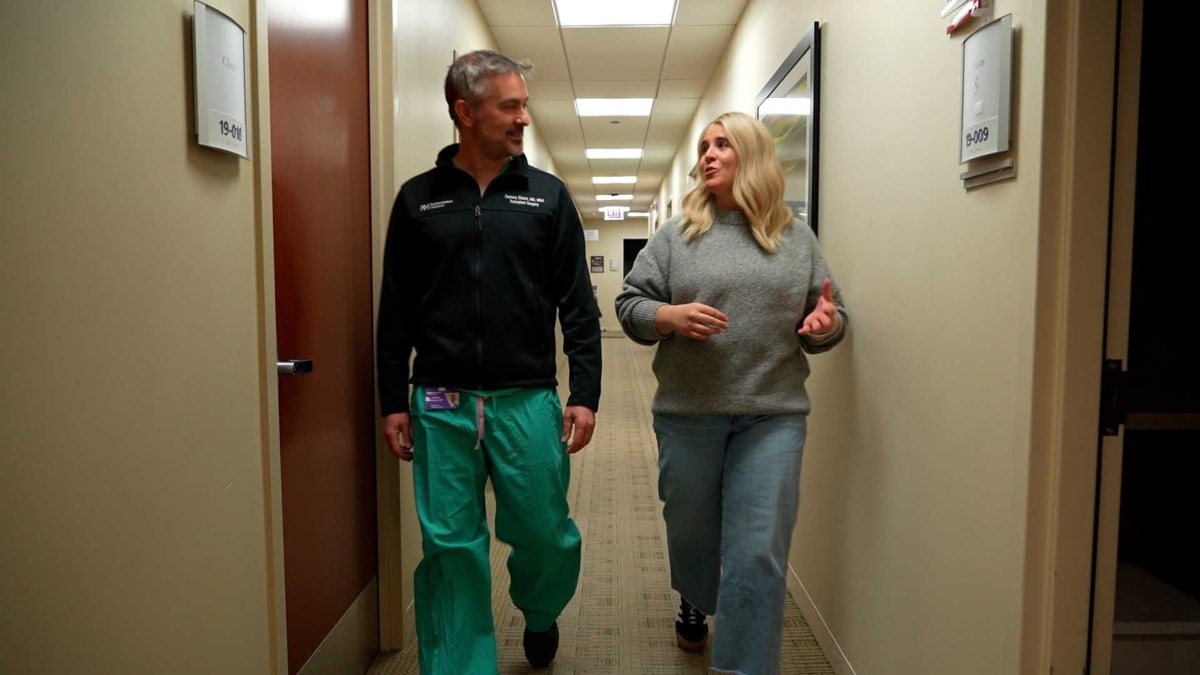
Dr. Zachary Dietch, who performed the surgery, calls the procedure "a lifesaving and potentially curative treatment for patients who are otherwise facing very dismal prognosis." For Piccioli, it was the difference between a death sentence and a second chance.
Prior didn't hesitate when she found out she could help her friend. "It's such a small sacrifice to make that could potentially save someone's life," she said.
In December, surgeons removed a portion of Prior's liver and transferred it to Piccioli. Three months later, doctors told Piccioli she has no evidence of disease.
The Ripple Effect
Piccioli's story arrives as colorectal cancer rates climb among younger Americans. It's now the third-leading cause of cancer deaths in men and fourth in women, with cases among people under 50 rising steadily in recent years.
Her successful transplant could open doors for other patients facing similar diagnoses. Dietch hopes stories like Piccioli's will help spread awareness about this treatment option for patients who might not know it exists.
Piccioli now takes anti-rejection medication and needs regular monitoring, but otherwise feels "completely back to normal." She's looking forward to living without cancer consuming her thoughts.
The experience changed her perspective on what matters most. "I'm actually grateful that this happened at such an early age that I still have time to change my life and realize what's important," she said.
More Images


Based on reporting by Google News - Health
This story was written by BrightWire based on verified news reports.
Spread the positivity!
Share this good news with someone who needs it