Mom Builds AI Tool to Help 8,000 Rare Disease Families
A mother whose daughter was diagnosed with a rare genetic disorder created an AI platform that saves families 53 hours a week and accelerates treatment research by up to 50%. Citizen Health now helps over 8,000 patients across 350 rare diseases navigate care and connect with others facing the same challenges.
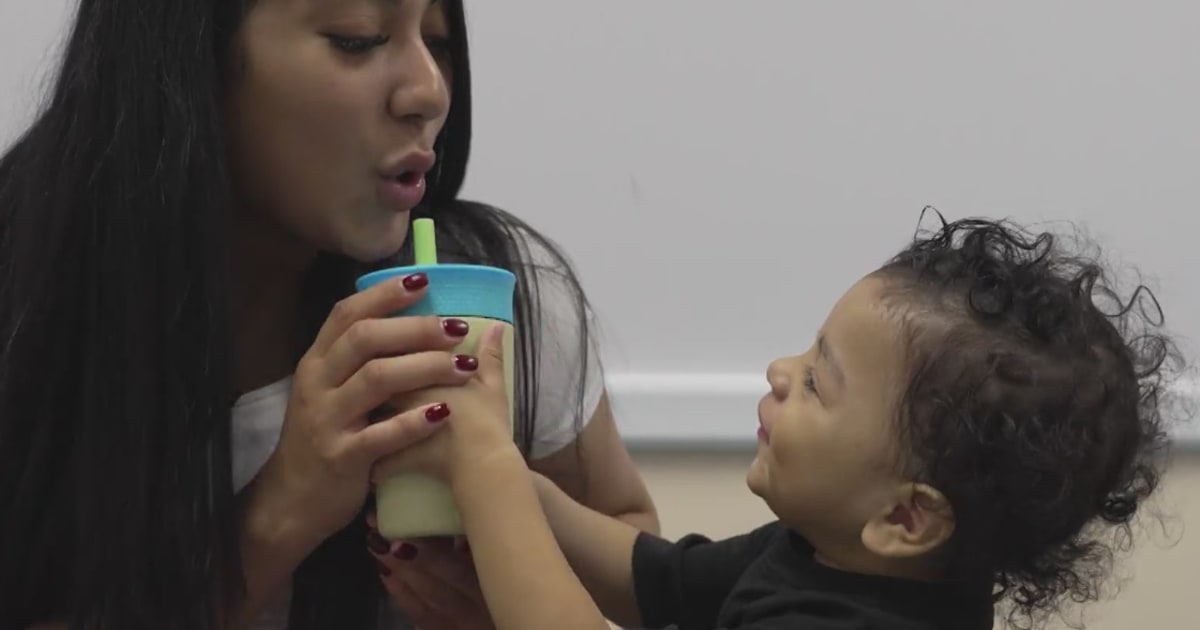
When Nasha Fitter's youngest daughter received a rare genetic diagnosis in 2017, doctors told her there was no treatment, no research, and no roadmap forward. Like thousands of other parents, she was left searching Facebook groups for answers that might never come.
But Fitter, a tech entrepreneur, decided to do something about it. She partnered with fellow entrepreneur Farid Vij to launch Citizen Health in 2023, an AI-powered platform that acts as an advocate for rare disease patients and their families.
The statistics are staggering. Parents of children with rare diseases spend an average of 53 hours per week on care beyond typical parenting duties. That includes scheduling specialist appointments, fighting insurance denials, researching treatments, and desperately searching for information that often doesn't exist online.
Citizen Health changes that equation. The platform's AI advocate can schedule appointments, navigate insurance appeals, and connect families with others managing the same condition. But it goes far deeper than administrative help.
The company has built one of the largest rare patient data networks of its kind, gathering medical records, genetic information, and patient experiences from over 8,000 people across more than 350 diseases. When families have questions, the AI draws from real experiences of people who truly understand, not generic health information that doesn't apply to rare conditions.
The impact extends beyond daily support. Citizen Health shares anonymized patient data with researchers and pharmaceutical companies who are developing treatments. So far, 16 drug companies are using the platform to accelerate their work, and patients who contribute data receive a share of the proceeds.
The results speak volumes. Vij says they've reduced timelines for getting therapies to market by 30% to 50% by building treatments on what patients actually need. Nearly all users (98.3%) choose to share their data to help advance research.
The company has raised $44 million since launching, including a recent $30 million funding round backed by major investors like the Chan Zuckerberg Initiative. The platform remains completely free for patients and families.
The Ripple Effect
What started as one mother's search for answers is now democratizing rare disease care. Fitter had the resources and tech background to start a research foundation for her daughter's condition, but most families don't have those advantages.
Now thousands of families have access to the same kind of advocacy and collective knowledge that was previously available only to those who could afford full-time care coordinators or had the expertise to navigate the medical system alone. Every family that joins makes the platform smarter and more helpful for the next one.
For Fitter's daughter and 8,000 other patients, the future looks different than it did just two years ago.
Based on reporting by Google News - Disease Cure
This story was written by BrightWire based on verified news reports.
Spread the positivity!
Share this good news with someone who needs it