Monarch Butterflies Bounce Back 64% in Mexico
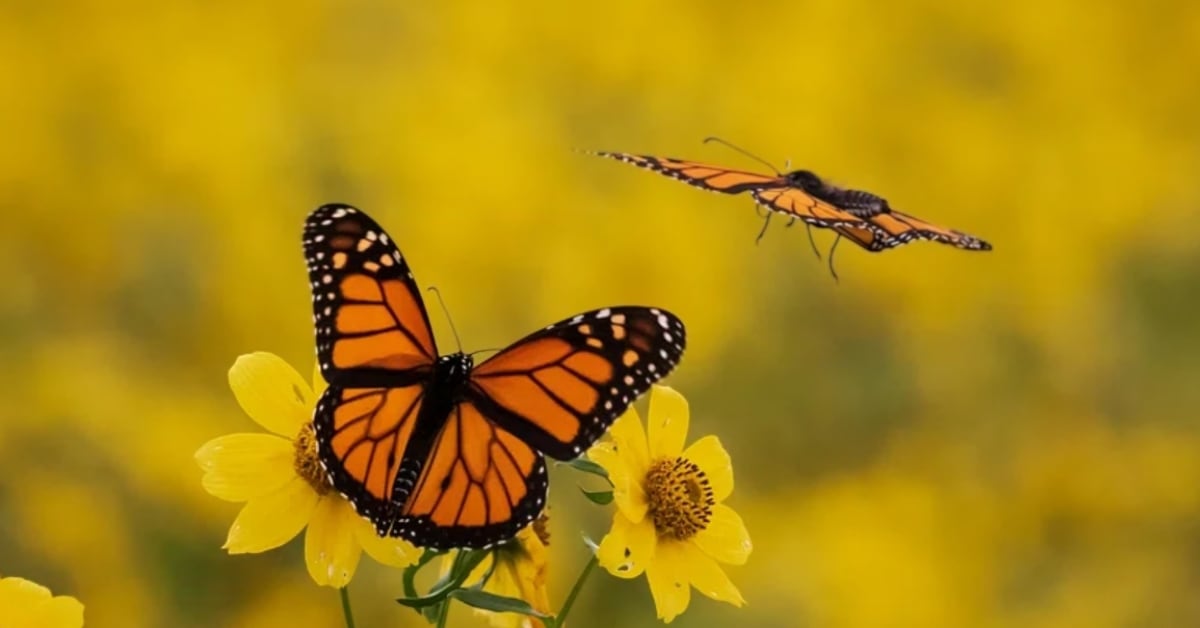
After declining more than 80% since the 1990s, eastern monarch butterflies just recorded a stunning 64% population increase at their winter home in Mexico. The win shows conservation efforts are working for these tiny travelers who fly 3,000 miles each year.
Eastern monarch butterflies just pulled off an incredible comeback that has scientists cautiously celebrating.
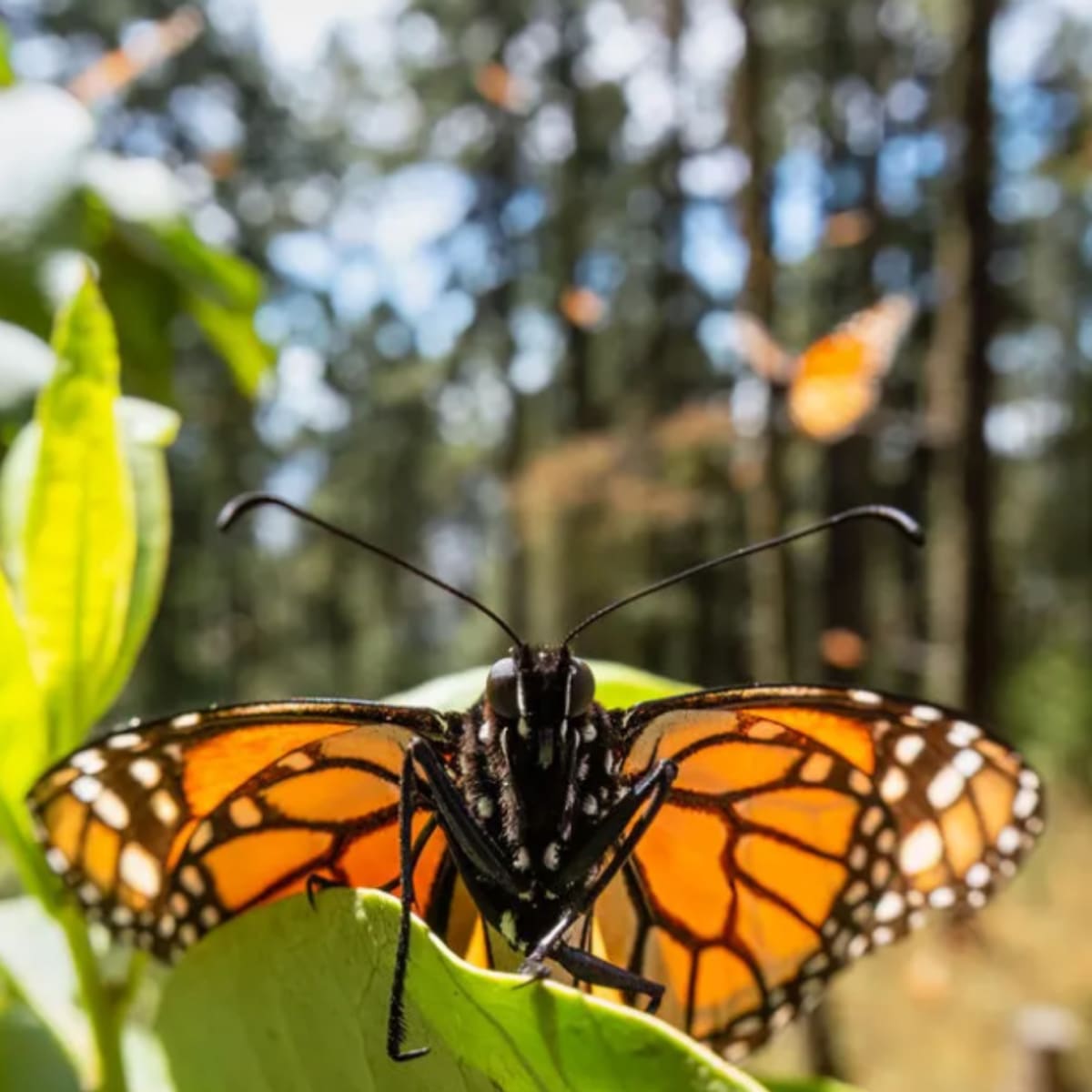
Every year, millions of these orange and black beauties fly nearly 3,000 miles from Canada and the United States to a single forest reserve in Mexico. The World Wildlife Fund of Mexico has tracked their numbers for two decades at the Monarch Butterfly Biosphere Reserve, and the news hasn't been good. Since the 1990s, these migratory monarchs declined by more than 80%.
The reasons were hitting them from all sides. Massive deforestation wiped out critical habitat while farming chemicals destroyed milkweed, the only food their caterpillars can eat. Pesticides eliminated the flowering plants that adult butterflies need for nectar. Climate change made everything worse by disrupting their breeding and migration patterns.
"Monarchs need our help, and we need monarchs because they are spectacular and irreplaceable," said Tierra Curry, endangered species co-director at the Center for Biological Diversity.
But WWF-Mexico just released two reports that flip the script. Forest degradation in their winter habitat has dropped significantly. Even better, the monarch population surged by 64% this year.
"Despite environmental challenges, today's announcement shows promising signs of recovery," said Maria Jose Villanueva, director general of WWF-Mexico. She credited conservation measures and local communities working alongside the Mexican government.
The Ripple Effect
This win matters far beyond butterflies. Monarchs are a keystone species, acting like an early warning system for environmental problems. When their numbers drop, it signals broader trouble for pollinators and entire ecosystems.
Since pollinators are essential for food production and biodiversity, healthy monarch populations mean healthier natural systems and more secure food supplies for everyone.
Karen Oberhauser, one of America's leading monarch experts and professor emeritus at the University of Wisconsin-Madison, told Vox that scientists should celebrate while staying focused. "We are in a period of relative stability where the population has stopped declining," she said.
Her message is clear: the efforts are working, but the work continues.
More Images

Based on reporting by Good Good Good
This story was written by BrightWire based on verified news reports.
Spread the positivity!
Share this good news with someone who needs it