Monash Scientists Unlock Cell Growth Mystery, Opening Hope for Cancer Treatment
Australian researchers have made a groundbreaking discovery that could revolutionize how we treat cancer, epilepsy, and other diseases. For the first time, scientists at Monash University have revealed how our cells naturally control growth, providing a potential roadmap for developing life-saving therapies.
In an exciting breakthrough that brings new hope to millions worldwide, researchers at Monash University have solved a puzzle that has baffled scientists for decades—uncovering exactly how our cells know when to grow and when to stop.
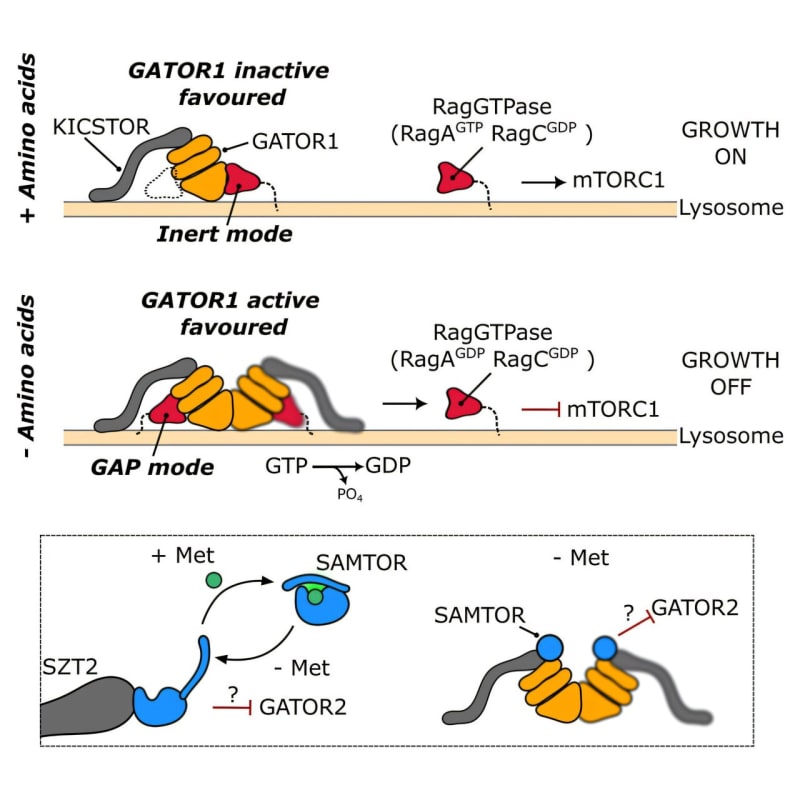
Published in the prestigious journal Cell, this landmark discovery reveals the intricate workings of a tiny but mighty protein partnership called the "KICSTOR–GATOR1 complex." Think of it as your cell's built-in smart system, constantly monitoring nutrient levels and making split-second decisions about whether it's safe to grow or time to conserve energy.
Using an ultra-powerful imaging technique called cryo-EM, the research team captured never-before-seen images at near-atomic detail, showing exactly how these proteins work together. It's like finally getting the instruction manual for machinery that's been running inside every cell of your body since birth.
"This is a pivotal scientific moment," says Associate Professor Michelle Halls from the Monash Institute of Pharmaceutical Sciences, whose enthusiasm is infectious. The discovery opens exciting new pathways for understanding—and potentially treating—diseases where cell growth goes awry, including cancer, certain childhood epilepsies, metabolic disorders, and neurodegenerative conditions.
What makes this finding particularly fascinating is its evolutionary significance. Professor Andrew Ellisdon from the Monash Biomedicine Discovery Institute explains that this nutrient-sensing system has been preserved across millions of years of evolution, from simple yeast to complex humans. "Its preservation highlights how essential it is for survival," he notes, emphasizing that we're looking at one of nature's most fundamental life processes.
The implications are profound yet hopeful. In many cancers, cells lose their ability to properly sense nutrients and keep dividing recklessly, even when they lack the fuel to do so sustainably. With this new structural blueprint in hand, researchers now have a clear target for developing therapies that could help restore normal growth control.
The research team is already looking ahead with optimism. Their next steps include studying how this system becomes altered in diseases and exploring whether new medicines could safely tune its activity to improve patient outcomes. It's the kind of fundamental research that doesn't promise overnight miracles but instead builds the foundation for transformative treatments down the road.
Why It Matters: This discovery represents more than just academic achievement—it's a beacon of hope for patients and families affected by diseases involving uncontrolled cell growth. By understanding the cellular "brakes" that keep growth in check, scientists are better equipped to develop targeted therapies that work with our body's natural systems rather than against them. From cancer patients to children with epilepsy, this research opens doors that were previously invisible, bringing us closer to a future where these conditions can be managed more effectively and compassionately.
The beauty of this breakthrough lies in its elegant simplicity: by revealing how healthy cells maintain balance, we gain the knowledge needed to help sick cells find their way back.
More Images


Based on reporting by Phys.org
This story was written by BrightWire based on verified news reports.
Spread the positivity! 🌟
Share this good news with someone who needs it
More Good News
 Health & Wellness
Scientists Create Risk Maps to Protect Communities from Hantavirus
 Health & Wellness
Hong Kong Scientists Discover "Exercise Sensor" That Could Help Millions Beat Osteoporosis
 Health & Wellness
Case Western Scientists Eliminate Debilitating Side Effect in Prostate Cancer Treatment
DAILY MORALE
Why did the dog apply for a job at the bank?
EXPLORE INTEL
MISSION DIRECTIVE
The greatest thing you'll ever learn is just to love and be loved in return.
Moulin Rouge (from the film, popularized by Ewan McGregor)