Money Sent Home by Migrants Cuts Poverty Worldwide
A new study of 62 developing countries found that money sent home by workers abroad significantly reduces poverty at every level measured. When families receive these payments, they move from survival to stability.
Millions of workers who leave their home countries to find better opportunities are sending more than just money back to their families. They're sending hope.
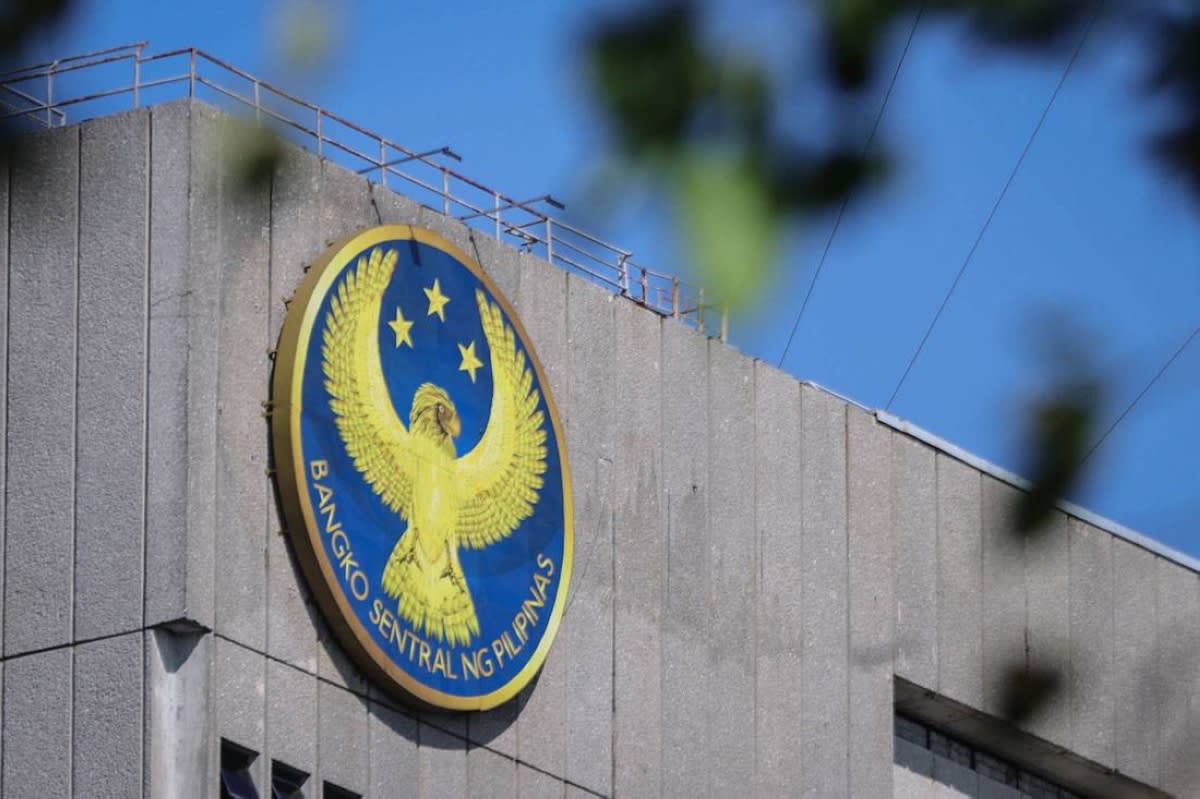
A groundbreaking study by the Philippines' central bank examined 34 years of data from 62 developing countries and found clear proof that international money transfers reduce poverty. The research looked at poverty in three ways: how many people are poor, how poor they are, and how severe their poverty is.
The results were consistent across all measurements. When more money flows home from workers abroad, poverty drops. This pattern held true even when researchers focused only on countries where these transfers make up more than five percent of their entire economy.
The typical migrant worker sends between $200 and $300 home every month or two. That modest amount often makes the difference between a family just surviving and building real financial security.
Education emerged as a key factor in how these transfers work. In countries with lower education levels, money from abroad acts as an essential support system. In countries with higher education, both the transfers and local skills work together to lift families out of poverty.
The study also revealed a challenge that needs fixing. In 2023, sending money across borders cost an average of 6.4 percent in fees. That's more than double the global target of three percent set by international development goals.
The Ripple Effect
The impact goes beyond individual families. These money transfers bring in foreign currency, support economic growth, and create stability in entire regions. When millions of families gain financial breathing room, whole communities benefit.
Digital solutions show real promise. Mobile to mobile transfers already average just 3.5 percent in fees, proving that technology can make helping your family more affordable. The main barriers are limited competition among transfer companies and poor connections between different countries' systems.
The researchers found that lowering migration costs could open this pathway out of poverty to even more families. Right now, fees and administrative expenses for migration documents keep the poorest households from accessing opportunities abroad.
Countries that make it easier and cheaper to send money home could multiply the poverty fighting power of their overseas workers.
This study proves what millions of families already know: staying connected across borders creates opportunity that flows both ways.
Based on reporting by Google News - Poverty Reduction
This story was written by BrightWire based on verified news reports.
Spread the positivity!
Share this good news with someone who needs it