Mongabay Launches Indigenous Desk for Untold Stories
A leading environmental news outlet just created a new team dedicated to amplifying Indigenous voices in journalism. The move tackles a critical gap in how the world learns about environmental challenges.
Mongabay, an independent environmental news organization, just launched something the journalism world desperately needs: an Indigenous Desk that puts Indigenous voices at the center of environmental reporting.
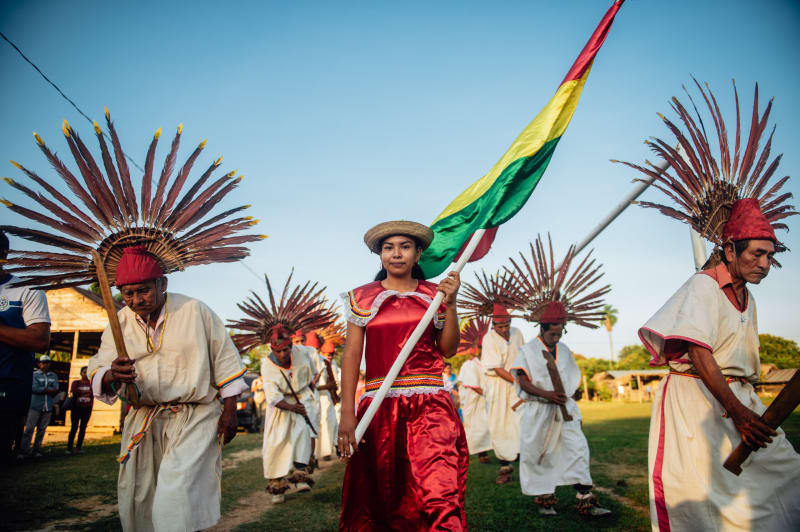
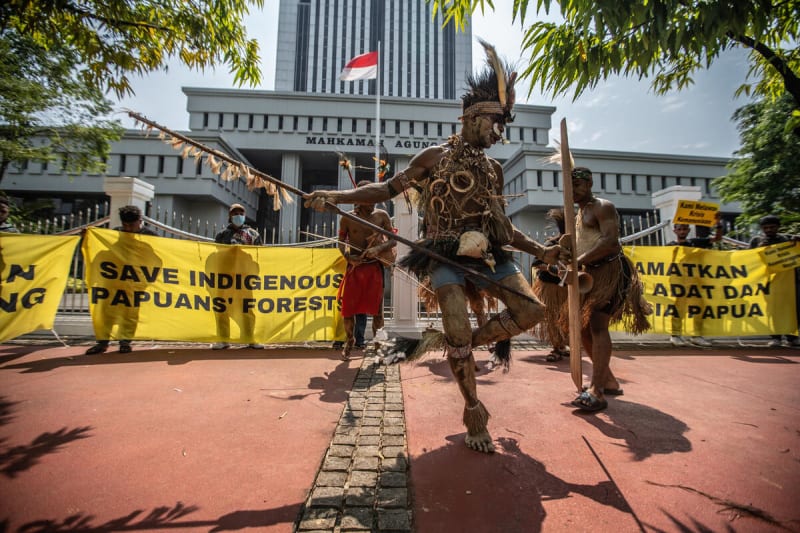
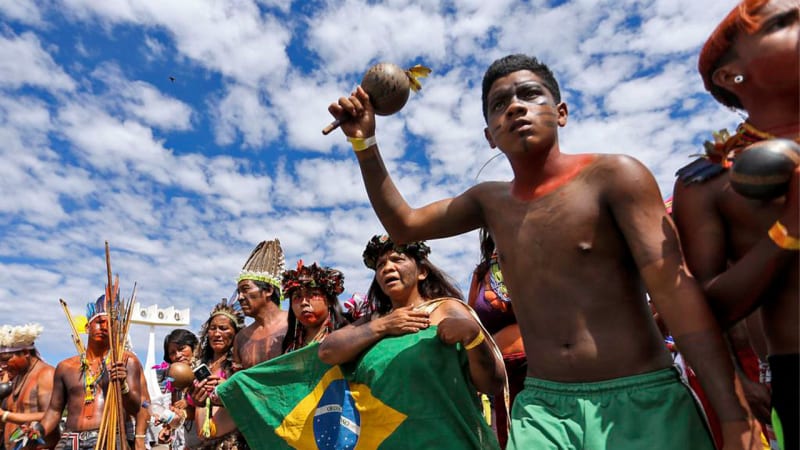
For too long, Indigenous communities have been sidelined in media coverage, even though they protect some of Earth's most vital ecosystems. Their perspectives, knowledge, and stories rarely make headlines, despite their frontline role in fighting biodiversity loss and climate change.
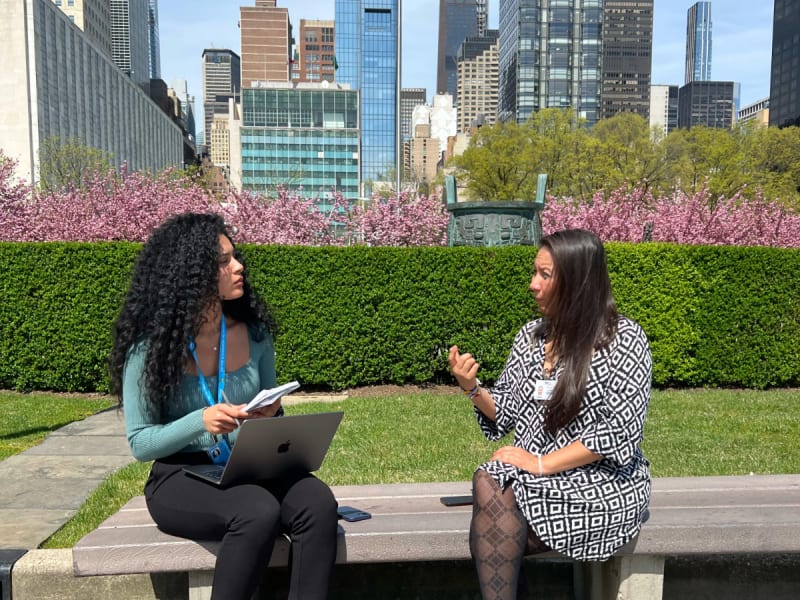
The new desk flips that script. It hires Indigenous journalists and makes sure Indigenous people are primary sources, not afterthoughts, in environmental stories.
"Our goal is to ensure Indigenous people are included as primary sources of information in Mongabay's reporting and to open space to work with Indigenous journalists," says Willie Shubert, Mongabay's executive editor. The approach ensures reporting that's actually relevant to Indigenous audiences.
Senior editor Latoya Abulu leads the desk with a clear mission: move beyond superficial portrayals. "Bringing forward diverse Indigenous voices doesn't only help drive underreported stories," she explains. "It also provides content relevant to Indigenous communities as an intended audience and delivers news that inspires effective action."
The impact is already measurable. In early 2024, a Mongabay investigation exposed companies scamming Indigenous communities across Latin America, falsely claiming UN backing to steal economic rights to forests covering 9.5 million hectares.
Communities in Peru, Bolivia, and Panama had been promised jobs and development in exchange for handing over their land rights for decades. The investigation revealed the fraud and sparked official action.
The Ripple Effect
This isn't just about better journalism. Indigenous peoples manage or hold rights to over a quarter of the world's land surface, including 80% of remaining biodiversity hotspots.
When their voices are excluded from media narratives, the world loses critical knowledge about conservation, climate solutions, and environmental protection. Readers can't fully understand environmental challenges without hearing from the people living them.
The desk strengthens Mongabay's capacity to report with depth and continuity on issues affecting Indigenous peoples and their lands. It's journalism that fills knowledge gaps, improves transparency, and drives real-world change.
More Indigenous voices in newsrooms means more complete, accurate environmental coverage for everyone.
More Images
Based on reporting by Mongabay
This story was written by BrightWire based on verified news reports.
Spread the positivity!
Share this good news with someone who needs it
%2Fhttps%3A%2F%2Ftf-cmsv2-smithsonianmag-media.s3.amazonaws.com%2Ffiler_public%2Fa1%2F49%2Fa1499be1-a337-473d-a81a-8d93d4b73f7e%2Fimage-1200-43334072918d7c689f4c8c2e2824b65b.jpeg)