Mongolia COP17 Unlocks $1.3B to Fight Global Desertification
Global leaders just secured $1.3 billion in new funding to restore degraded land across 23 countries, marking one of the biggest wins in the fight against desertification. The money will help protect the 40% of Earth's usable land that's slowly turning into desert, threatening 3.2 billion people worldwide. #
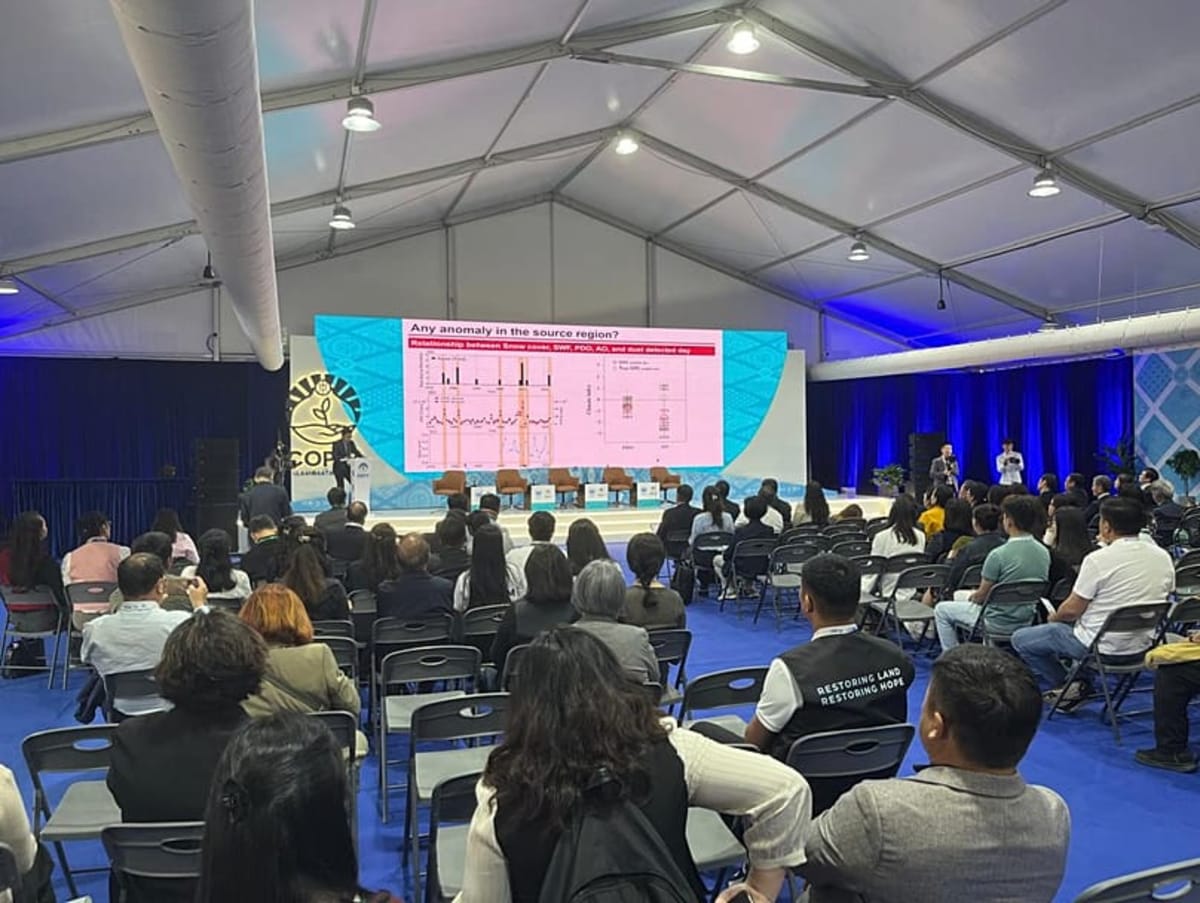
When 196 countries gathered in Mongolia's capital for climate talks, they knew words weren't enough anymore. They needed money, and they got it.
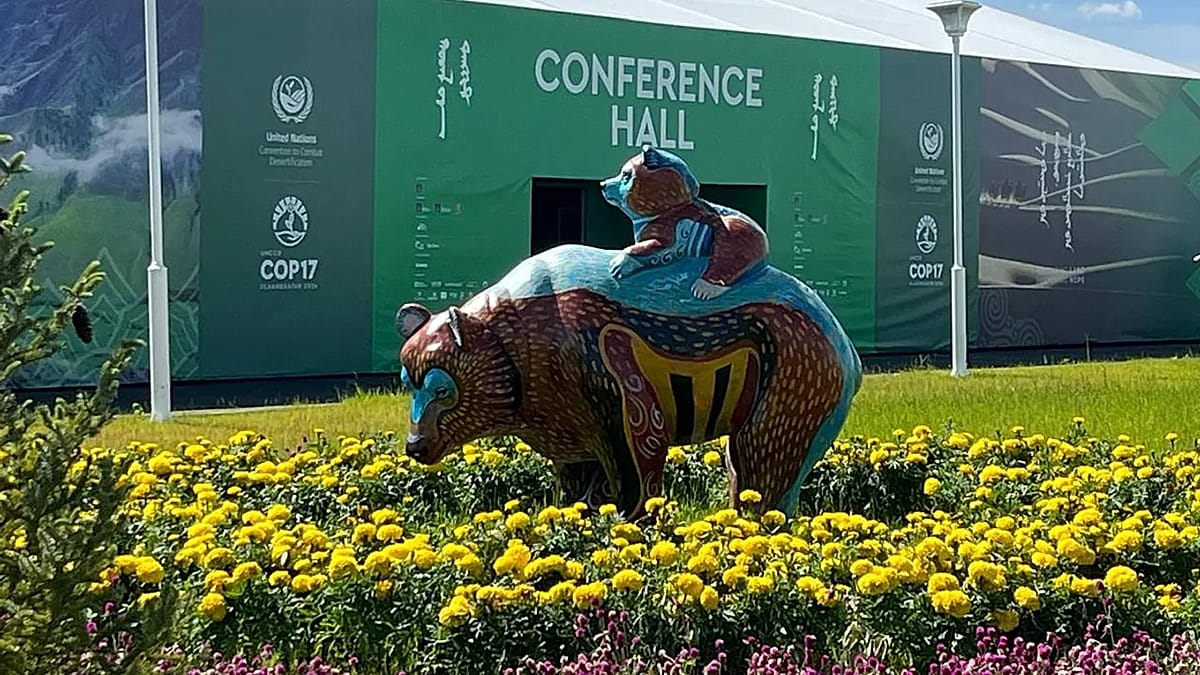
The 17th Conference of Parties to Combat Desertification wrapped up with $1.3 billion in commitments from governments, banks, and private investors. The funds will support land restoration projects across five continents, with $216 million already confirmed and moving toward action.
The timing couldn't be more urgent. Forty percent of the planet's usable land is degrading into barren desert, affecting 3.2 billion people. The problem fuels food crises, water shortages, wildfires, and forced migration, yet it rarely makes headlines.
"Ninety percent of our food comes from the land," warned Dr. Osama Faqeeha, advisor to the previous conference in Riyadh. "That land also stores three times more carbon dioxide than exists in the atmosphere."
Mongolia's Prime Minister Nyam-Osoryn Uchral challenged delegates from the start. "The world has never lacked goals and commitments," he said. "What we need more urgently are resources, financing, and technology to turn those commitments into tangible results."
The breakthrough came after Saudi Arabia initiated mechanisms during last year's conference to connect financial institutions with profitable land restoration projects. Experts say every dollar invested in healthy land generates $8 to $30 in returns through food production, water provision, and carbon storage.
Yet land restoration remains severely underfunded. While $2 trillion flows into artificial intelligence annually, less than 3% of climate financing reaches land and water projects. The annual funding gap stands at $280 billion.
The Ripple Effect
The $1.3 billion represents more than money. It signals that protecting land makes economic sense, not just environmental sense.
Mongolia, where 77% of land needs restoration, used the conference to attract investments with favorable conditions. Other nations followed suit, negotiating directly with financial institutions throughout the summit.
The investment addresses a staggering cost. Inaction on land degradation drains nearly $900 billion from the global economy each year. Meanwhile, restored land could generate up to $1.8 trillion through sustainable agriculture and water management.
"Businesses can actually invest in land and water and see returns," says Gim Huay Neo of the World Economic Forum. Her organization published research showing the profit potential in restoration projects.
The 197 parties couldn't agree on a single binding document, but they proved something more valuable: they showed up with checkbooks, not just speeches.
#
More Images



Based on reporting by Euronews
This story was written by BrightWire based on verified news reports.
Spread the positivity!
Share this good news with someone who needs it