Mongolia Hosts 179 Nations Fighting Land Loss Crisis
Nearly 3.5 billion people face food insecurity as land turns to desert, but Mongolia is leading a global movement with tree-planting initiatives and restoration projects that offer real solutions. This month, 179 countries gathered in Ulaanbaatar to share proven strategies for saving the soil that feeds humanity.
When the cost of bread triples in just ten years, you know something fundamental is breaking down.
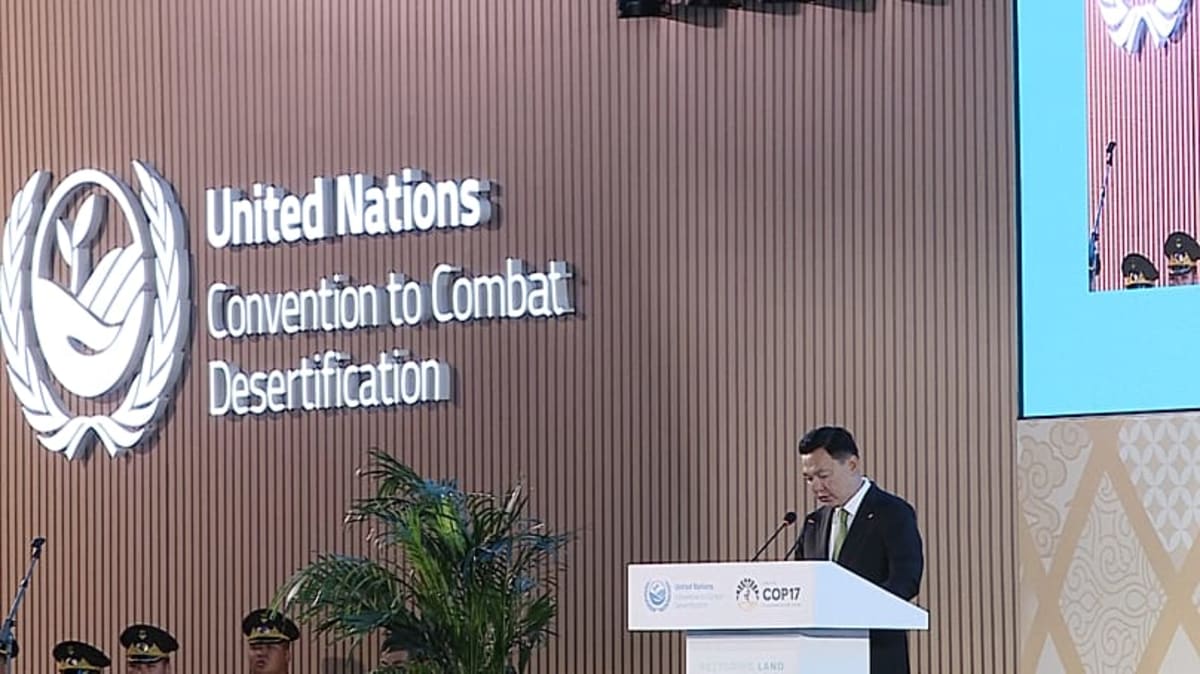
That's the reality in Mongolia, where rising temperatures and expanding deserts are transforming once-fertile land into sand. It's also why the nation just welcomed delegates from 179 countries to COP17, the world's largest gathering focused on stopping land degradation.
The numbers tell an urgent story. Nearly 3.5 billion people already live on degraded land that can't produce enough food. Droughts have increased by two-thirds since 2000. By 2030, global water demand will exceed supply by 40%.
But here's what makes this different from typical climate conferences: countries aren't just talking about future threats. They're sharing solutions that are working right now.
Mongolia itself proves change is possible. Over 80 years, the country's average temperature rose by 2 degrees Celsius as the Gobi Desert crept across its grasslands. Winds began carrying sand all the way to South Korea and Japan.
Instead of accepting this fate, Mongolia launched the Billion Trees National Movement. The government partnered with local communities to restore degraded pastures and protect ecosystems that nomadic herders depend on. Programs like Food Revolution and White Gold are strengthening food security while reversing land loss.
These aren't small pilot projects. Mongolia has woven land restoration into its national development plans, creating a model other countries are studying closely.
The Ripple Effect
What happens in Mongolia matters everywhere. The 400 organizations and community groups at COP17 represent regions from Europe to Africa, all facing similar challenges. When river transport stops because droughts dry up waterways, or wildfires rage through parched forests, the effects ripple across borders.
Executive Secretary Yasmin Foudh reminded delegates that droughts aren't just environmental issues anymore. They threaten food security, international commerce, energy supply, and basic stability. But that also means solutions create multiple benefits.
When communities restore degraded land, they don't just grow more food. They create jobs, reduce migration pressure, prevent conflict over scarce resources, and give people reasons to stay in their ancestral homes.
The conference brought together an unusual mix: government ministers working alongside NGO experts, farmers sharing insights with scientists, business leaders learning from indigenous communities. All 197 signatories of the UN Convention to Combat Desertification recognize that saving our soil requires every perspective.
Mongolia's Prime Minister Nyam-Osoryn Uchral captured the spirit: "Our languages, cultures, ethnic backgrounds and religions may differ, but we share a common determination to safeguard the future in which we can all continue to live in harmony with Mother Earth."
For a country with just two people per square kilometer, Mongolia knows something about working together across vast distances to protect what matters most.
More Images


Based on reporting by Euronews
This story was written by BrightWire based on verified news reports.
Spread the positivity!
Share this good news with someone who needs it