Mongolia's Wild Horse Revival Sets Gold Standard
Once extinct in the wild, Przewalski's horses now roam free across Mongolia's Hustai National Park in the world's largest population. This conservation triumph is showing the world how ecotourism can save endangered species while uplifting local communities.
The last truly wild horses on Earth galloped back from the edge of extinction, and now they're teaching us how to travel better.
Hustai National Park in Mongolia has become a global model for conservation tourism, centered around one of wildlife's greatest comeback stories. In 1993, scientists reintroduced Przewalski's horses to these windswept steppes after the species vanished from the wild. Today, their population has grown into the largest free-roaming herd anywhere on the planet.
Located 100 kilometers southwest of Ulaanbaatar, the park welcomes visitors who want to witness these stocky, powerful horses thundering across grasslands where they haven't been seen for generations. But this isn't just about watching wildlife from a distance.
The park has woven together conservation, culture, and community in ways that benefit everyone involved. Visitors sleep in traditional ger camps powered by solar panels, join nomadic herders in their daily work, and learn how Mongolian families have lived alongside nature for centuries.
Local communities aren't just hosting tourists. They're employed as guides and staff, ensuring tourism dollars support the people who've protected these lands for generations.
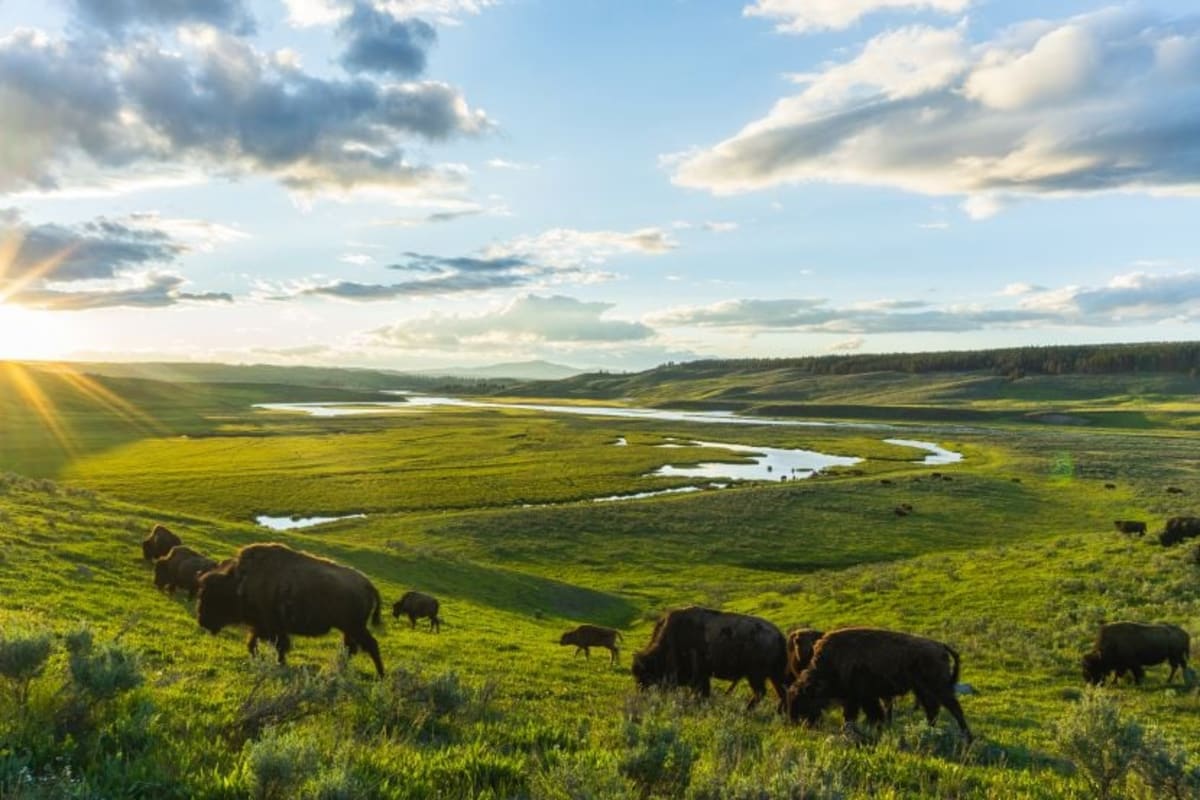
Beyond the horses, the park shelters over 200 bird species including golden eagles and Siberian cranes. Mongolian gazelles, deer, and wild boar roam the expansive grasslands that bloom brilliant green each spring and summer.
The Ripple Effect
Hustai's success is changing how the world thinks about wildlife tourism. The park's management works with the Hustai National Park Trust to ensure every visitor activity supports conservation rather than disrupts it. Infrastructure blends into the landscape, wildlife monitoring guides scientific research, and every safari or nature walk funds protection efforts.
The model proves that travelers don't have to choose between adventure and responsibility. Spring and summer visitors experience stunning vistas while their presence directly funds the rangers, researchers, and local families keeping this ecosystem thriving.
Other parks worldwide are now studying Hustai's approach. The combination of minimal environmental impact, renewable energy use, and genuine cultural exchange shows sustainable tourism isn't just possible but profitable for both nature and people.
The Przewalski's horse population continues growing each year, a living reminder that extinction doesn't have to be forever when communities commit to bringing species home.
Based on reporting by Google News - Conservation Success
This story was written by BrightWire based on verified news reports.
Spread the positivity!
Share this good news with someone who needs it