Monkey's DNA Map Could Stop Wildlife Trafficking
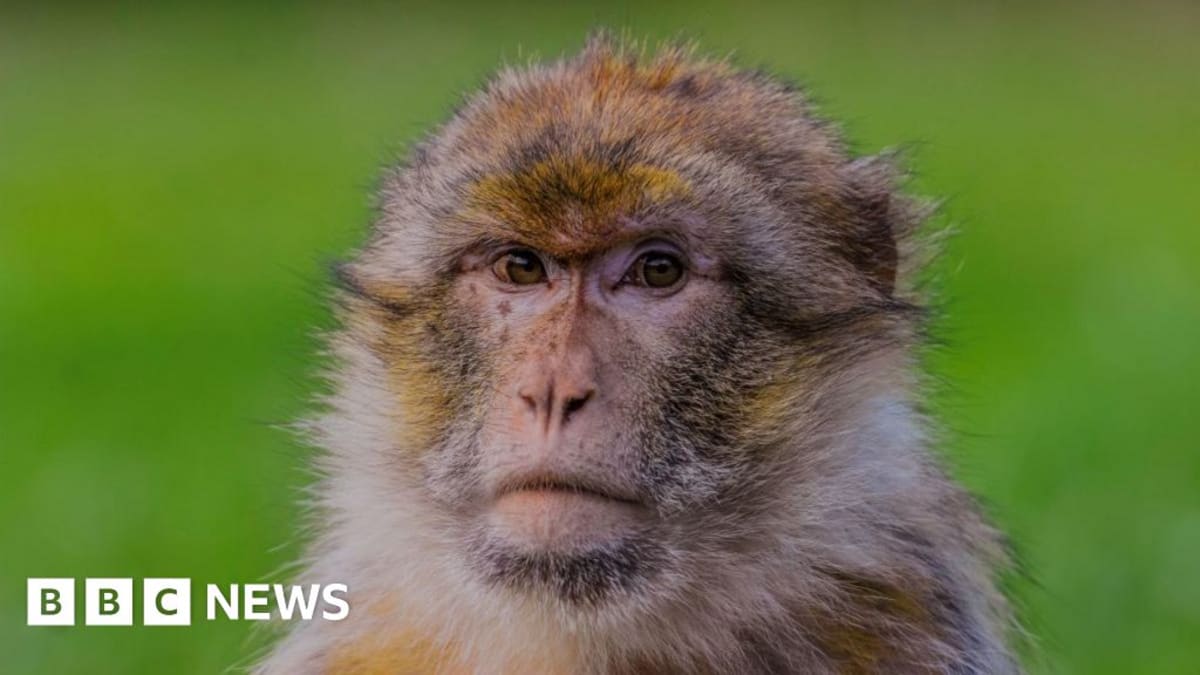
A monkey in Staffordshire just became the first of her endangered species to have her complete genetic code decoded. The breakthrough gives scientists a powerful new tool to fight poaching and protect Barbary macaques from extinction.
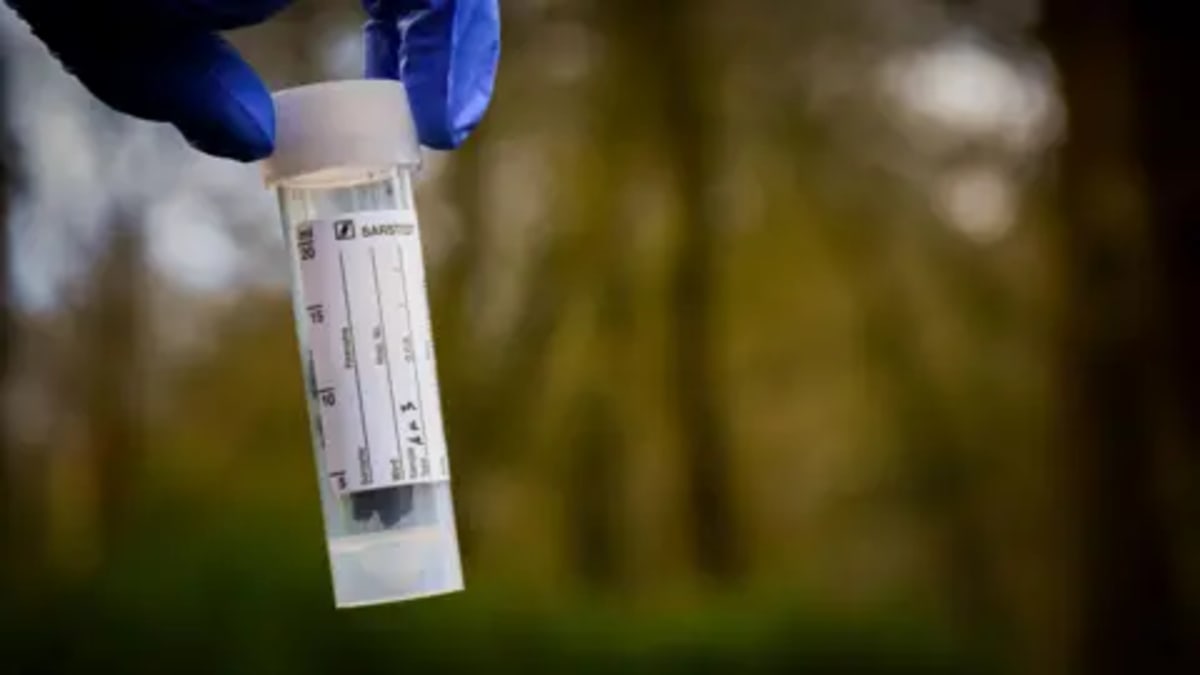
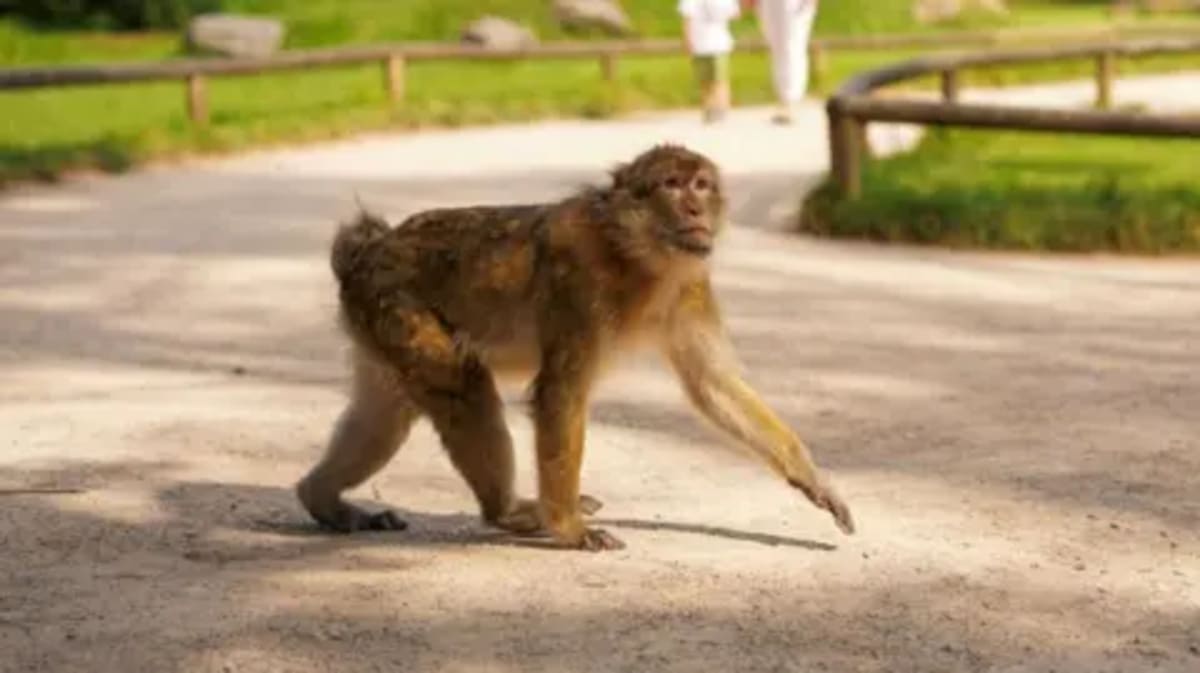
Scientists have achieved a world first by mapping the complete DNA of Crinkle, a Barbary macaque living at Trentham Monkey Forest in Stoke-on-Trent. The breakthrough could revolutionize how conservationists protect this endangered species from wildlife crime.
Until now, researchers lacked a complete genetic reference for Barbary macaques. This gap made it nearly impossible to track wild populations, understand their genetic health, or trace where trafficked animals were stolen from.
The new genetic map works like a master key for the species. Using Crinkle's DNA, scientists have already traced her family roots back to wild populations near Ifrane National Park and Khenifra National Park in Morocco, two critical strongholds for these monkeys.
Dr. Patrick Tkaczynski from Liverpool John Moores University explained that Barbary macaques once lived throughout the Mediterranean region. Today they survive only in small pockets across North Africa and Gibraltar, making every individual precious for the species' future.
The timing couldn't be more critical. Barbary macaques face serious threats from poaching and illegal pet trade in the wild, and this genetic tool gives authorities a way to identify exactly where trafficked animals came from.
The Ripple Effect
This breakthrough extends far beyond one monkey in Staffordshire. With Crinkle's complete genetic code as a reference, conservationists can now build detailed family trees of wild populations and identify genetic diversity hotspots that need protection.
Law enforcement agencies gain a forensic tool to prosecute wildlife criminals. When authorities rescue trafficked macaques, they can now pinpoint which population the animals were stolen from and potentially return them to their home ranges.
Park director Matt Lovatt said knowing that Crinkle's DNA could help protect her species from poaching and illegal trade makes this achievement truly special. The research transforms how scientists approach conservation for endangered primates facing extinction pressure.
For Crinkle, life continues as normal among the 140 monkeys at Trentham Monkey Forest. But her genetic legacy now serves as a blueprint for saving her species in the wild, proving that conservation breakthroughs can happen in unexpected places.
More Images
Based on reporting by BBC Science
This story was written by BrightWire based on verified news reports.
Spread the positivity!
Share this good news with someone who needs it