
Monk's Pea Plant Discovery Changed Science Forever
A shy Austrian monk, deemed too timid for priesthood, bred 28,000 pea plants in a quiet monastery garden and accidentally discovered the laws of genetics. His groundbreaking work went unnoticed for decades, but eventually transformed our entire understanding of heredity.
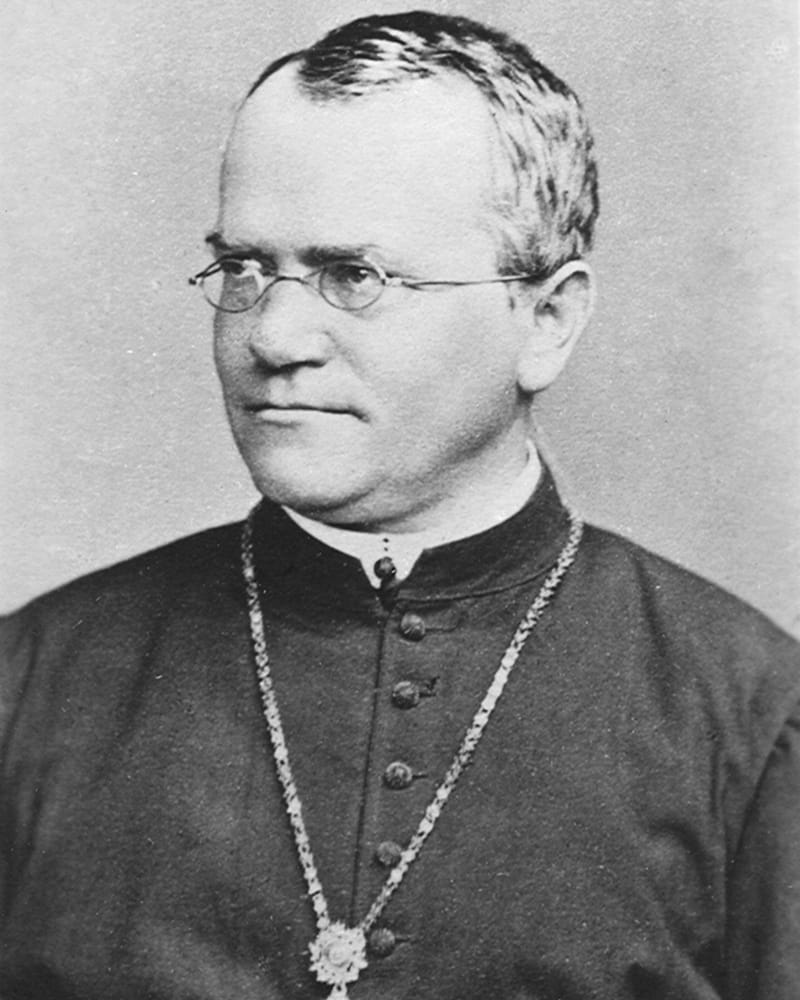
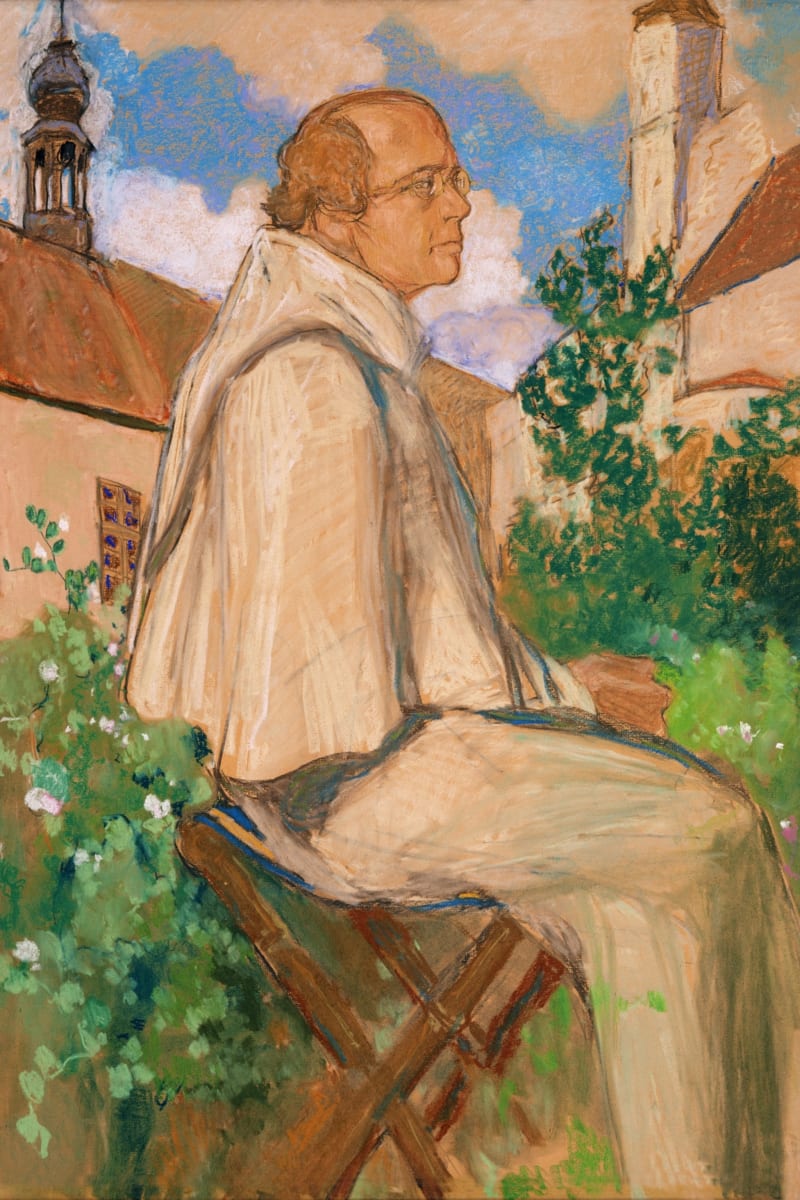
An Austrian peasant turned monk, rejected from parish work for being too shy, spent eight years breeding thousands of pea plants in obscurity. What Gregor Mendel discovered in that monastery garden between 1856 and 1863 would eventually become the foundation of modern genetics.
Mendel's mentor at the Abbey of St. Thomas in what's now Brno, Czech Republic, had written that the young monk suffered from "unconquerable timidity." But his shyness became science's gain when he was assigned to tend the monastery garden instead.
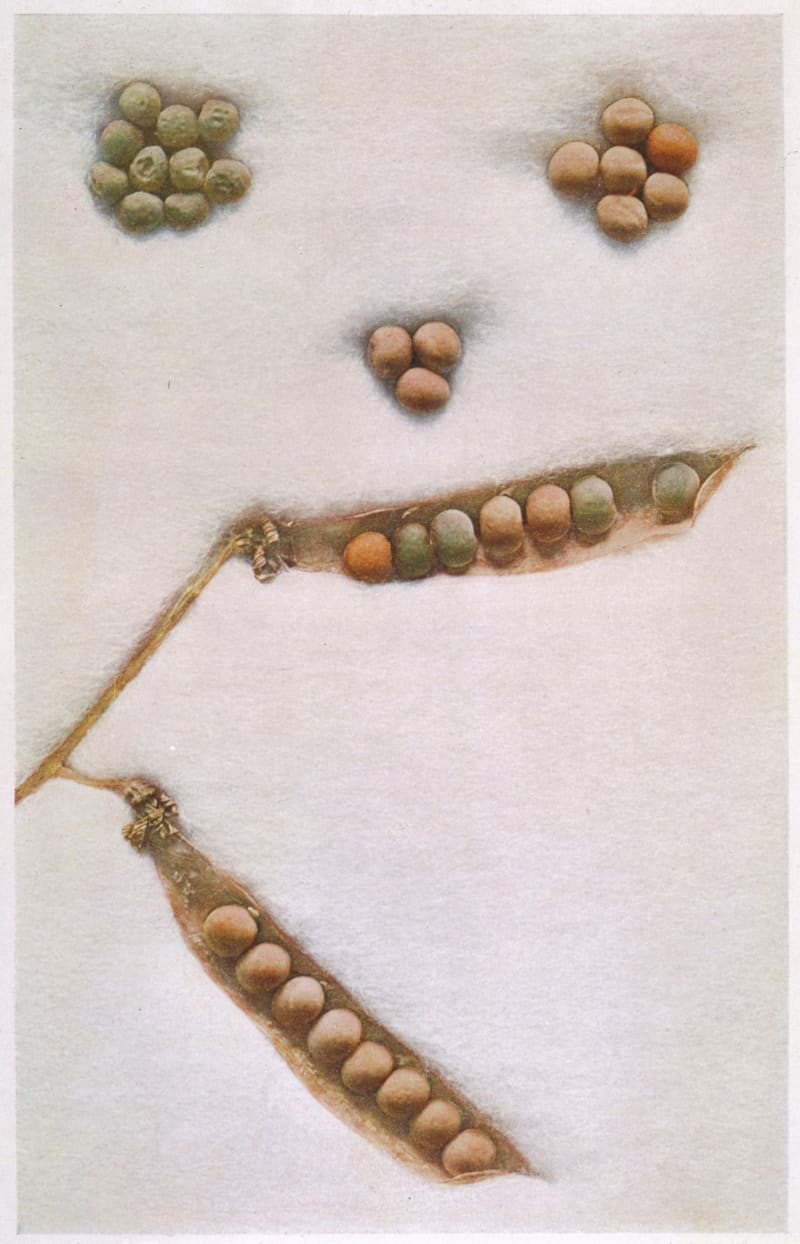
Working with roughly 28,000 pea plants, Mendel meticulously tracked seven traits across generations—seed shape, color, pod shape, flower position, and stem length. He wasn't even trying to make a major discovery. "Mendel wasn't trying to answer questions about plant heredity when he started," explains Yale history professor Daniel Kevles. The monk simply wanted to understand if specific laws governed how hybrid plants produced offspring.
His careful records revealed something revolutionary. The prevailing theory said offspring were just blends of their parents' traits, but Mendel's peas told a different story. Some traits dominated while others hid, only to reappear in later generations. "Particles"—what we now call genes—were passing traits independently from parent to child.
Mendel presented his findings to about 40 people in February and March of 1865. His paper, published the next year, outlined three principles now known as Mendel's laws. The scientific community barely noticed.
"The poor guy had been dead for 16 years or something when people started taking an interest," says Stanford professor Jessica Riskin. Mendel died in 1884, never knowing his monastery experiments would transform biology.
Why This Inspires
Mendel's story reminds us that groundbreaking work often happens in the quietest corners. A monk who was "too timid" for his first career choice ended up changing science forever. His patient, meticulous observations in a small garden laid the groundwork for understanding inherited diseases, developing new crops, and eventually decoding human DNA.
"Without Mendel's laws, you likely don't get modern genetics," Kevles notes. The Human Genome Project, personalized medicine, and countless agricultural advances all trace back to one shy man counting pea pods in a monastery garden.
Sometimes the most transformative discoveries come from people working steadily in obscurity, driven by curiosity rather than recognition.
More Images

Based on reporting by Google: scientific discovery
This story was written by BrightWire based on verified news reports.
Spread the positivity!
Share this good news with someone who needs it
%2Fhttps%3A%2F%2Ftf-cmsv2-smithsonianmag-media.s3.amazonaws.com%2Ffiler_public%2Fe2%2Fe4%2Fe2e47856-9811-44a2-bd74-2fe487b38d11%2Fap26243587996362.jpg)
%2Fhttps%3A%2F%2Ftf-cmsv2-smithsonianmag-media.s3.amazonaws.com%2Ffiler_public%2Fae%2Fa7%2Faea738b9-4c44-4981-9c2c-33b62c8669af%2Frocky.jpg)