Montana Firefighters Fight Fire With Fire to Save Homes
Montana firefighters are using an ingenious tactic to stop two major wildfires: intentionally burning the forest before the flames arrive. The strategy creates safe zones for crews and protects homes in the path of 45,000+ acres of active fire.
When wildfires threatened Montana's Big Hole Valley in late July, firefighters did something that might seem crazy: they started more fires on purpose.
The Bobcat Lakes Fire and Sand Creek Fire have burned through more than 45,000 acres of steep, densely forested terrain near Wise River and Wisdom since July 31. But crews are turning the fires against themselves with a technique called strategic firing.
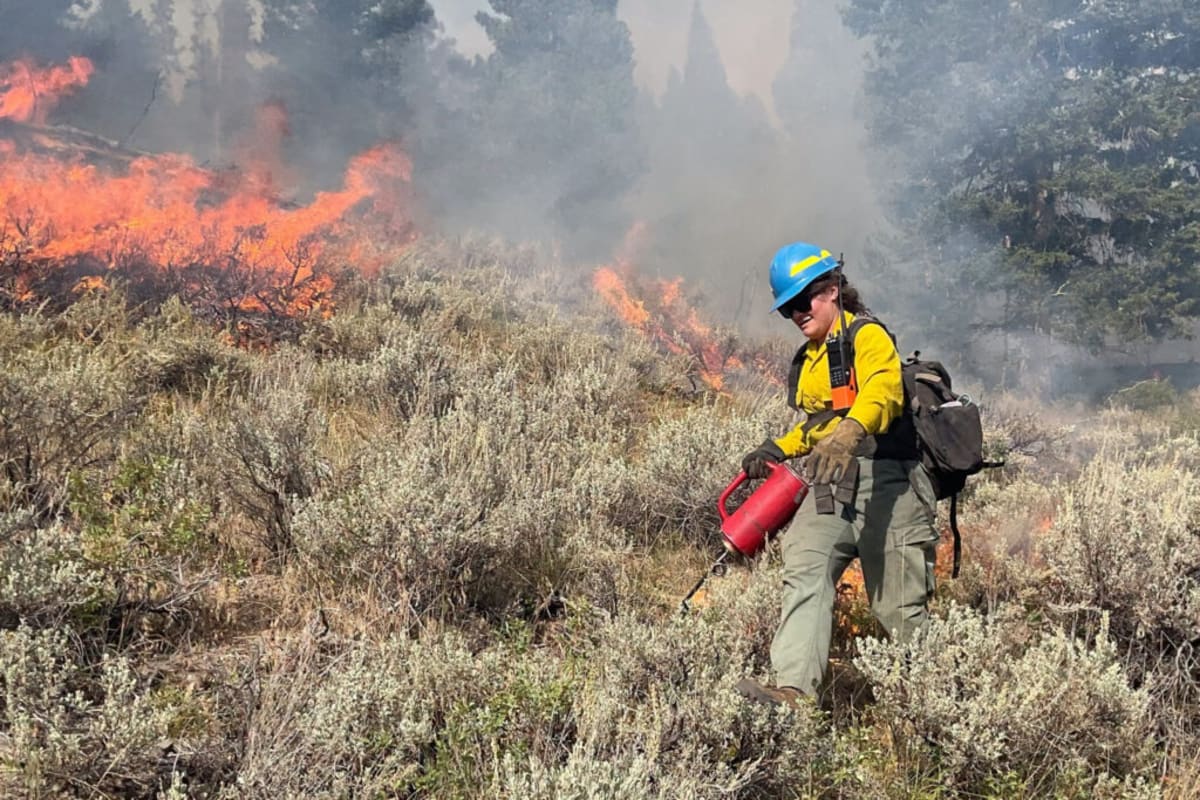
Here's how it works. When terrain becomes too dangerous for firefighters to battle flames directly, they work from safe positions along roads and trails. Then they intentionally burn all the vegetation between their position and the approaching wildfire.
"It removes the fuel before the main fire gets there, so when the fire edge reaches the burned-out area, there's nothing left to carry it forward," explains Mariah Leuschen-Lonergan, fire communications lead for the U.S. Forest Service's Northern Rockies program. The result is a protective buffer zone that stops the wildfire in its tracks.
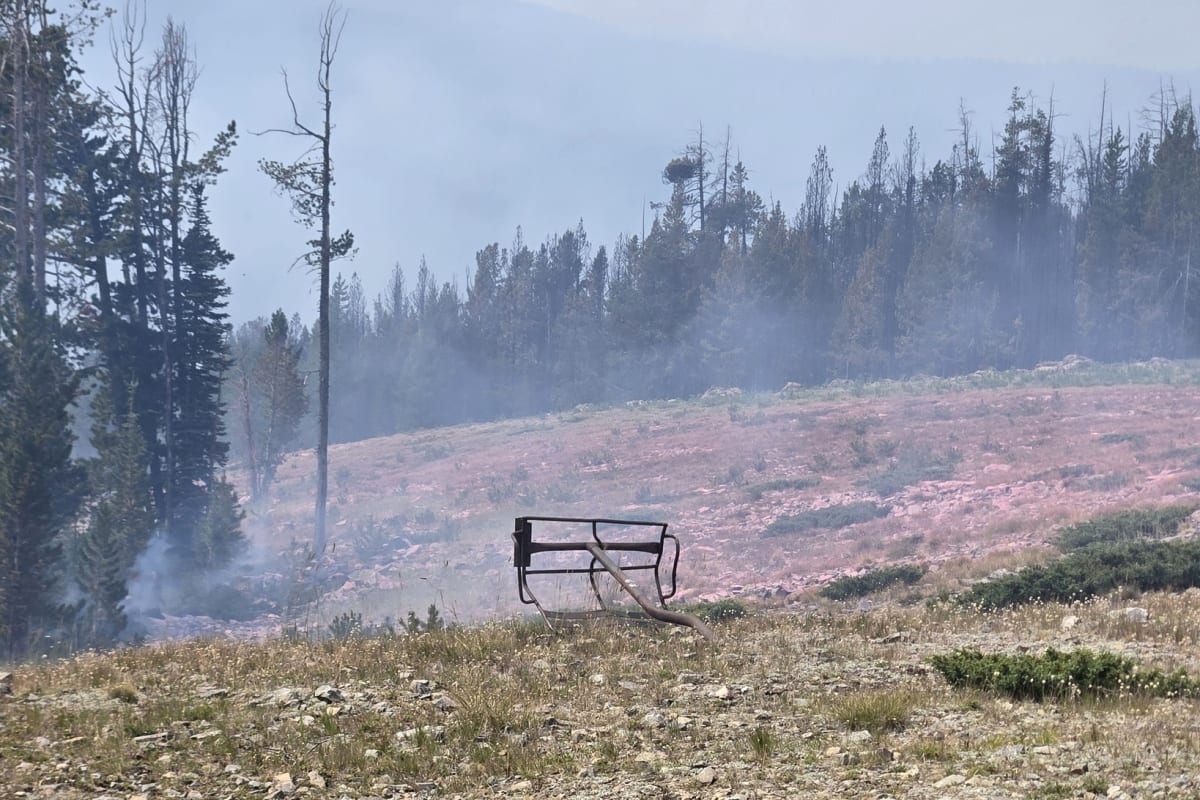
On the Sand Creek Fire's northwest side, crews used this approach on August 31 to protect the Big Hole Valley. They carefully burned pockets of heavy fuels and dead timber, working methodically to bring the controlled burns toward established control lines. The operation created temporary smoke, but it also created safety.
Every firing operation requires careful planning. A dedicated meteorologist monitors temperature, humidity, wind speed and direction, plus moisture levels in grass, needles, twigs and logs. Fire behavior analysts work with operations teams to ensure conditions are right before anyone lights a match.
The technique shines brightest in terrain where direct attack would put firefighters at risk. Dense timber and steep slopes along portions of both fires made conventional firefighting dangerous or impossible. Strategic firing gave crews a safer alternative while still protecting nearby homes and infrastructure.
Why This Inspires
This isn't just smart firefighting. It's proof that sometimes the best solutions come from working with nature instead of against it.
For generations, Indigenous peoples used controlled burns to manage forests. Modern fire science has rediscovered this wisdom, turning one of nature's most destructive forces into a tool for protection.
The Montana crews are showing that innovation doesn't always mean new technology. Sometimes it means respecting how ecosystems naturally reset themselves and using that knowledge to keep people safe. They're literally fighting fire with fire, and it's working.
As climate change brings longer fire seasons and more intense blazes, approaches like strategic firing offer hope. Firefighters aren't just reacting to danger anymore. They're getting ahead of it, one controlled burn at a time.
Based on reporting by Inside Climate News
This story was written by BrightWire based on verified news reports.
Spread the positivity!
Share this good news with someone who needs it