Moog Tech Brings Artemis II Astronauts Home Safely
Four astronauts just traveled farther from Earth than anyone in 50 years, and precision technology from a New York company kept them alive every moment of the journey. The Artemis II crew returned safely after breaking distance records, thanks to life support systems that performed flawlessly across 252,000 miles of deep space.
Four astronauts just traveled farther from Earth than any human in half a century, and a New York technology company kept them breathing, safe, and connected the entire way.
Moog Inc., based in East Aurora, NY, provided the critical life support and propulsion systems aboard NASA's Orion spacecraft during the historic Artemis II mission. The crew traveled more than 252,000 miles from Earth, breaking the previous distance record set during the Apollo era.
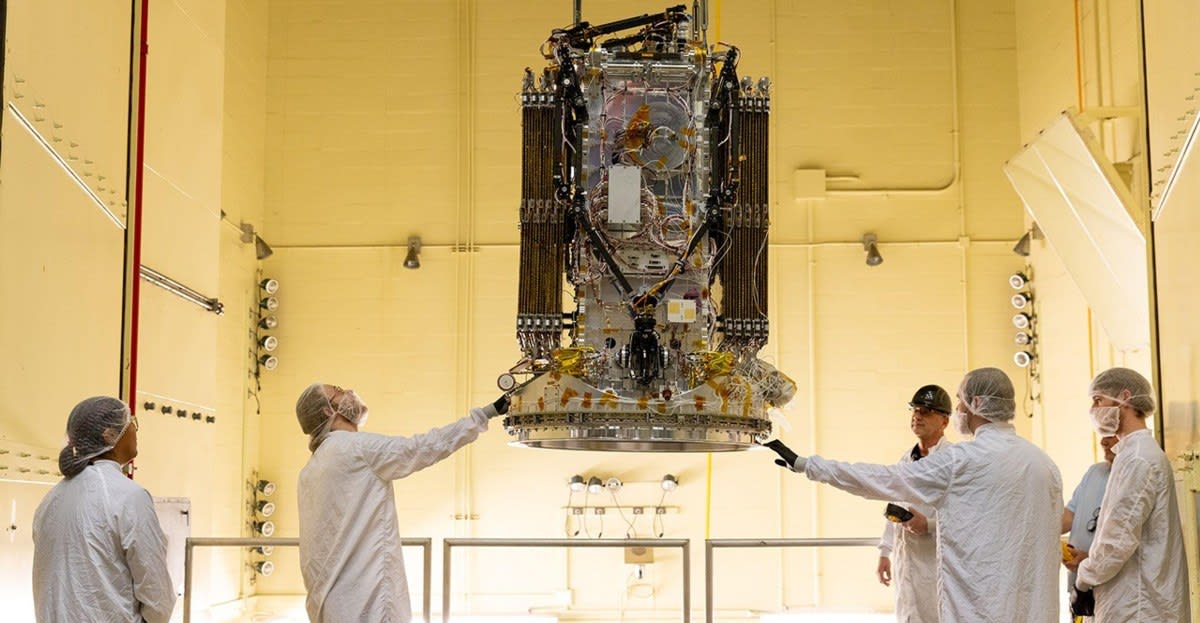
The company's precision valves controlled everything from propulsion to airflow, pressure, and cabin temperature inside Orion. These systems maintained a stable, breathable environment from launch through splashdown, operating flawlessly despite extreme heat, cold, vibration, and radiation in deep space.
"When you're traveling hundreds of thousands of miles, life support isn't just a system. It's the mission," said Mike Popadick, Propulsion Systems General Manager at Moog. The successful return of all four astronauts validated years of rigorous design and testing.
Moog also equipped Orion's communications system, enabling the crew to transmit voice, data, and telemetry to mission control across vast distances. Continuous connectivity meant astronauts stayed in constant contact with Earth throughout their groundbreaking journey.
"Communications is the crew's lifeline," said Chris Hodge, Moog Space Avionics General Manager. His team ensured astronauts remained connected every step of the way.
The Ripple Effect
This mission represents a giant leap forward in returning humans to the Moon. The technology proven on Artemis II will support upcoming lunar landing missions, building on Moog's legacy of supporting NASA's crewed missions since the dawn of human spaceflight.
The successful performance of these systems in deep space conditions demonstrates that longer duration missions are possible. Future astronauts heading to lunar bases or even Mars will rely on similar technologies to keep them alive and connected.
Every valve, every sensor, every component worked exactly as designed under the most extreme conditions imaginable. That reliability gives NASA confidence to push further into space.
Today's achievement proves that human exploration beyond Earth orbit isn't just a dream anymore, it's happening now.
More Images

Based on reporting by SpaceNews
This story was written by BrightWire based on verified news reports.
Spread the positivity!
Share this good news with someone who needs it