Moon Dust Reveals Earth's Ocean Origins Mystery
After analyzing 50-year-old lunar soil from Apollo missions, NASA scientists discovered that meteorites delivered far less water to Earth than previously thought. The finding rewrites our understanding of where Earth's oceans came from.
Scientists just solved a cosmic mystery using dirt collected from the Moon half a century ago, and the answer changes everything we thought we knew about Earth's water.
Tony Gargano, a NASA postdoctoral fellow, led a team analyzing lunar regolith brought back by Apollo astronauts decades ago. Using a cutting-edge method called triple oxygen isotope analysis, they discovered that carbon-rich meteorites contributed only about 1% of the Moon's surface material.
This tiny percentage matters tremendously. For years, scientists believed water-rich meteorites crashing into young Earth delivered the vast amounts of water that formed our oceans. If the Moon's surface tells the truth about what bombarded our cosmic neighborhood for billions of years, that theory doesn't hold water.
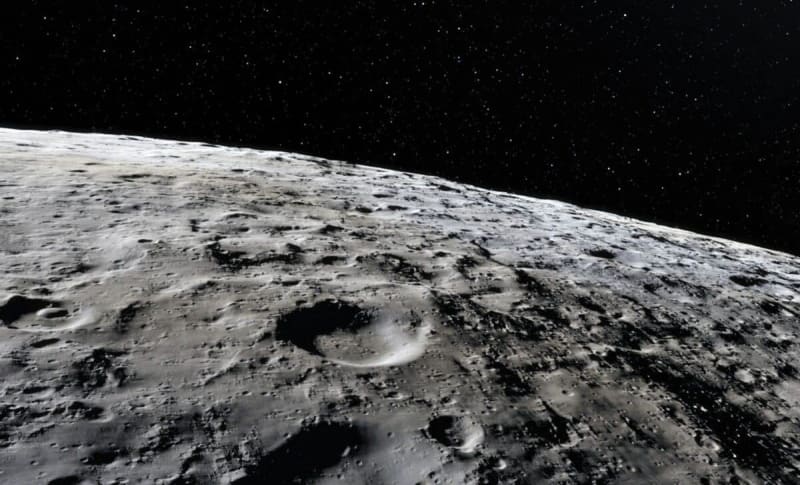
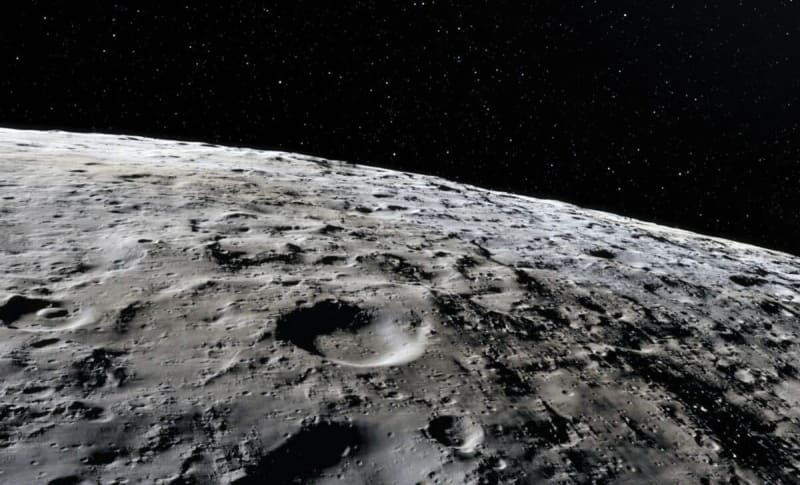
The Moon acts as a perfect time capsule. While Earth's surface constantly changes through weather and tectonic shifts, the Moon preserves an untouched record of every meteorite strike over billions of years. "The lunar regolith is one of the rare places we can still interpret a time-integrated record of what was hitting Earth's neighborhood," Gargano explained.
Even when researchers scaled their findings to match Earth's larger size and higher impact rate, the numbers didn't add up. Meteorites over the past four billion years could have supplied only a small fraction of our ocean water.
NASA planetary scientist Justin Simon clarified the implications: "Our results don't say meteorites delivered no water. They say the Moon's long-term record makes it very hard for late meteorite delivery to be the dominant source of Earth's oceans."
Why This Inspires
This discovery shows how samples gathered by Apollo astronauts in the 1970s continue revolutionizing science today. "I'm part of the next generation of Apollo scientists," Gargano said, "people who didn't fly the missions, but who were trained on the samples and the questions Apollo made possible."
The research, published in Proceedings of the National Academy of Sciences, opens exciting new questions. If meteorites didn't bring most of Earth's water, where did our oceans come from? Scientists now theorize water may have been present in the materials that formed Earth itself, or arrived through other cosmic processes we're just beginning to understand.
Upcoming Artemis III missions will explore permanently shadowed regions near the Moon's poles, some of the coldest places in our solar system. These new lunar terrains could hold additional clues about water's journey through the Earth-Moon system.
The breakthrough demonstrates how patient scientific investigation using decades-old samples can still rewrite textbooks and push humanity's understanding of our home planet forward.
More Images



Based on reporting by Google News - Science
This story was written by BrightWire based on verified news reports.
Spread the positivity!
Share this good news with someone who needs it