Moon Meets Pleiades Star Cluster This Weekend
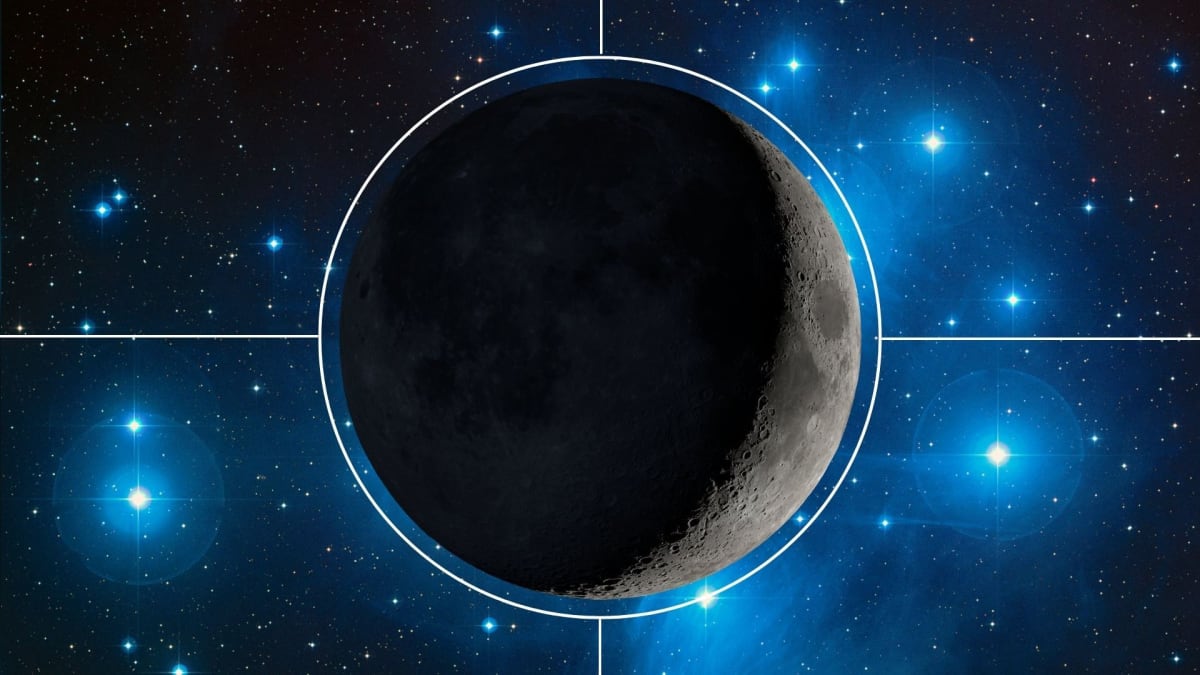
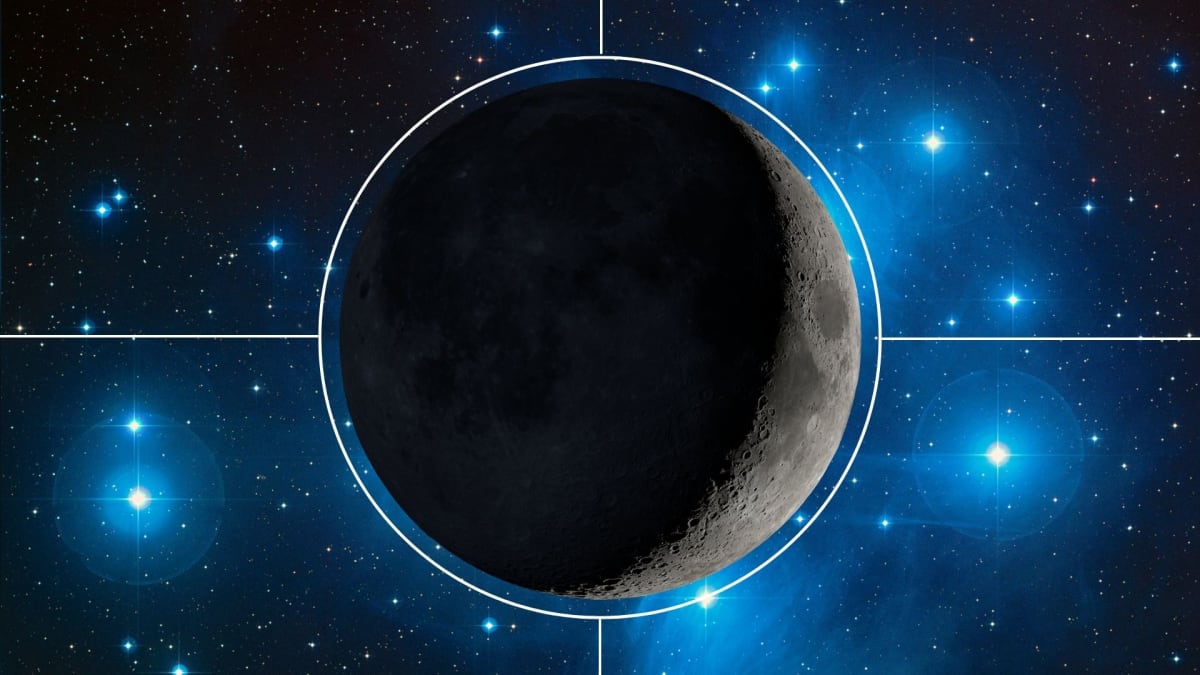
Look up tonight and tomorrow to catch the crescent moon gliding past the Pleiades, one of the oldest star clusters known to humanity. This celestial meetup offers stargazers a stunning view visible to the naked eye.
Tonight and tomorrow night, the moon is putting on a free light show with one of the most ancient star clusters humans have ever known.
The waxing crescent moon will pass close to the Pleiades on March 22 and 23, creating a beautiful pairing in the western sky after sunset. The moon will appear as a delicate sickle, lit just 14%, glowing near the ancient cluster also known as the "Seven Sisters."
You won't need fancy equipment to enjoy this cosmic dance. Look west after sunset and find the Pleiades about 5 degrees above the moon, roughly the width of three fingers held at arm's length. Under dark skies, the cluster appears as a hazy patch of light to the naked eye, but binoculars reveal its seven brightest stars along with dozens more blue-white companions.
The Pleiades carry thousands of years of human history in their light. Ancient civilizations knew this cluster well, possibly depicting it on the Nebra Sky Disk, a 3,800-year-old bronze artifact that represents the oldest known map of the night sky. When Galileo first turned his telescope toward the Pleiades, he revealed dozens of stars invisible to earlier observers.
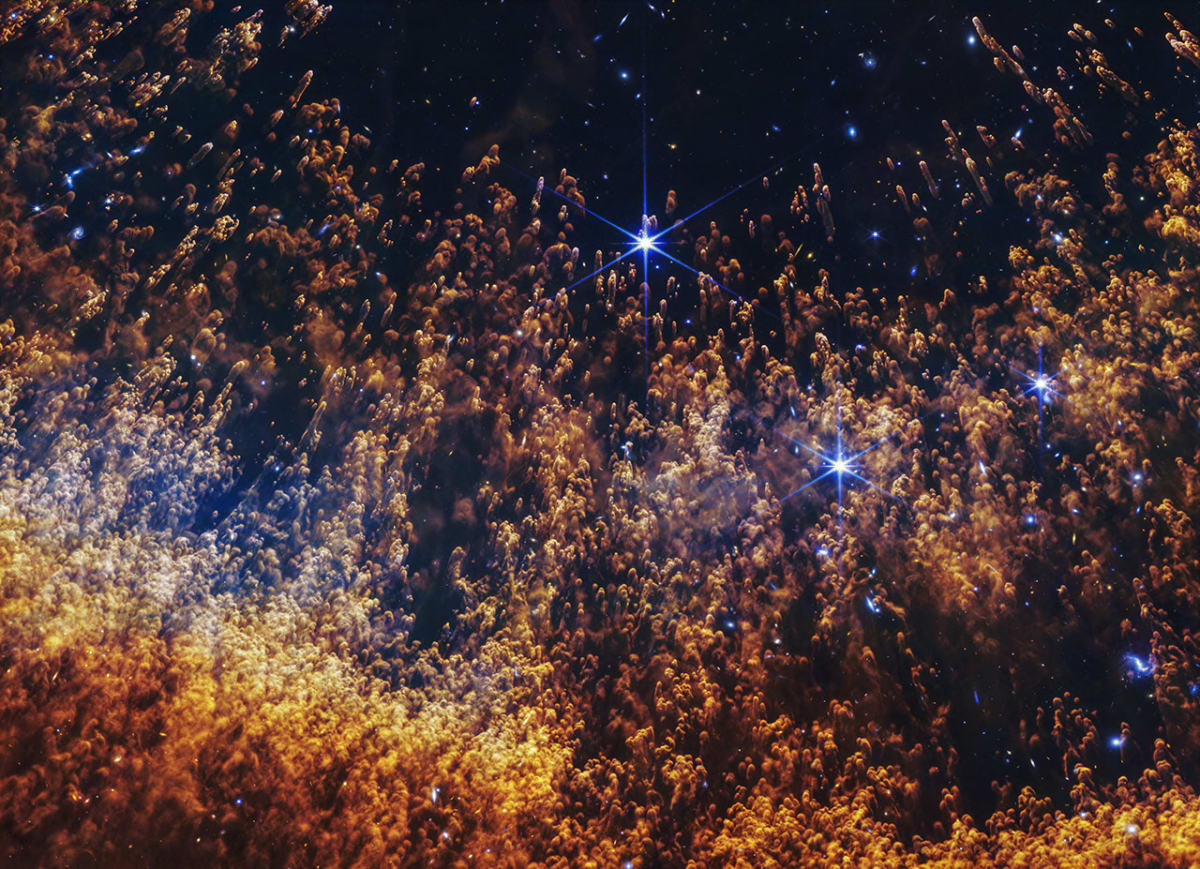
Our relationship with this stellar neighborhood keeps deepening. Astronomers recently discovered the Pleiades may contain 20 times more stars than originally believed, with thousands of long-lost siblings now scattered across the sky.
By tomorrow night, the moon will have leaped above the cluster, continuing its journey toward Jupiter. Venus will make a brief appearance as an evening star near the horizon, while the orange-red star Aldebaran shines nearby with the V-shaped Hyades cluster.
Why This Inspires
This weekend's sky show reminds us that the same stars our ancestors watched still shine for us today. The Pleiades have guided sailors, inspired poets, and sparked wonder for millennia. Now, with tools Galileo could only dream of, we're discovering these familiar lights hold even more secrets than we imagined. The night sky continues to reveal that there's always more beauty waiting to be found.
Even modest binoculars today would astound the pioneering astronomer who first studied this cluster in detail centuries ago.
More Images

Based on reporting by Space.com
This story was written by BrightWire based on verified news reports.
Spread the positivity!
Share this good news with someone who needs it