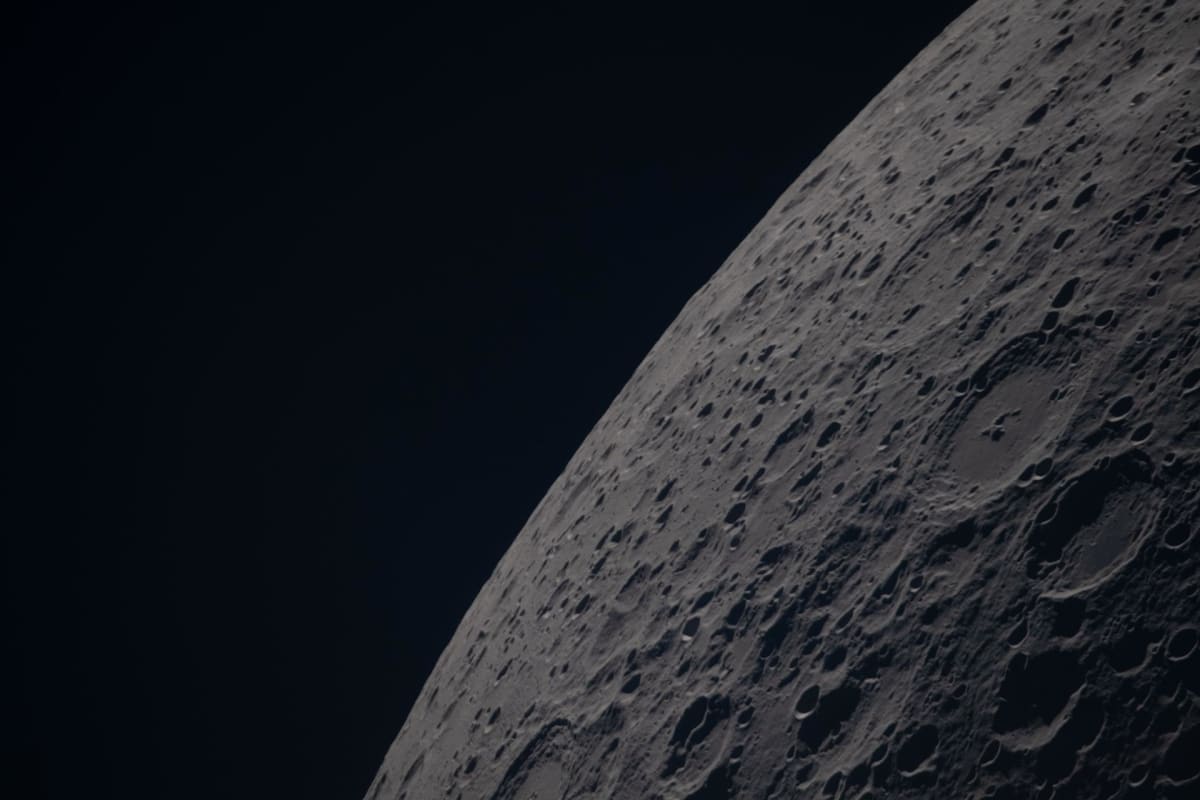
Moon's Ice Could Power Humanity's First Lunar Base
Scientists have discovered frozen water hidden in the Moon's permanently shadowed craters, and it could be the key to building our first permanent lunar home. This ice treasure could provide everything future moon settlers need: drinking water, rocket fuel, and building materials.
Deep inside the Moon's darkest craters lies a discovery that could change humanity's future in space: massive deposits of frozen water.
These permanently shadowed pits never see sunlight, keeping ancient ice locked away for potentially billions of years. Now scientists believe we can tap into this frozen goldmine to make lunar living possible.
The ice isn't just for drinking. Future moon colonists could split water molecules into hydrogen and oxygen, creating breathable air and rocket fuel right on the lunar surface. That means spacecraft could refuel on the Moon instead of carrying everything from Earth, slashing the cost of space exploration.
Construction teams could also use the ice as a building material. Mixed with lunar soil, frozen water creates a concrete-like substance perfect for shielding bases from radiation and meteor strikes.
The Ripple Effect
This discovery transforms the Moon from a barren pit stop into a genuine stepping stone for deeper space exploration. A permanent lunar base could serve as a launch pad for Mars missions, cutting travel costs by up to 90% compared to launching everything from Earth.
The same technology developed for harvesting moon ice could help us extract water from asteroids, opening up the entire solar system for exploration. What starts in these shadowed craters could become the foundation for humanity's expansion beyond Earth.
Scientists are already designing rovers that can navigate the pitch-black crater floors and drill through lunar ice. Several space agencies have announced plans to send ice-hunting missions within the next five years.
The challenges are real. These craters plunge to temperatures near absolute zero, making them some of the coldest places in our solar system. Any equipment sent there must survive extreme conditions while operating in complete darkness.
But the payoff could be extraordinary. Instead of shipping every drop of water from Earth at thousands of dollars per pound, future astronauts could simply melt what they need from the ground beneath their feet.
The Moon's hidden ice deposits prove that the resources we need for space exploration might already be waiting for us out there.
Based on reporting by Kurzgesagt
This story was written by BrightWire based on verified news reports.
Spread the positivity!
Share this good news with someone who needs it