Moon's Magnetic Mystery Solved by Apollo Rock Chemistry
Scientists finally cracked a 50-year puzzle about the moon's magnetic past using rocks brought back by Apollo astronauts. The answer? Both theories were right.
For decades, scientists have argued over a cosmic puzzle: Did the moon once have a powerful magnetic field like Earth, or was it always weak?
New research from the University of Oxford says both sides were correct. The moon had brief episodes of incredibly strong magnetism, but these bursts lasted only thousands of years, not millions.
The confusion started with the Apollo missions. Between 1969 and 1972, NASA astronauts brought back moon rocks that showed surprising signs of strong magnetism, suggesting the moon once had a dynamo as powerful as Earth's.
But that didn't make sense to many scientists. The moon is too small to keep such a powerful magnetic engine running for hundreds of millions of years.
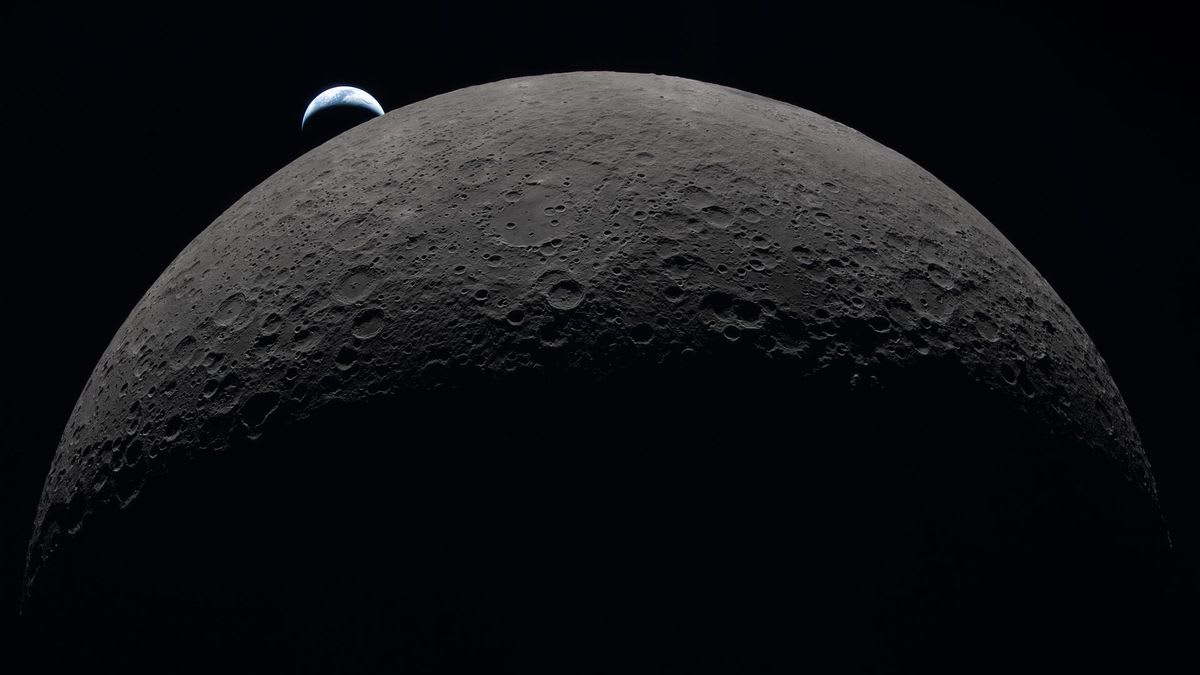
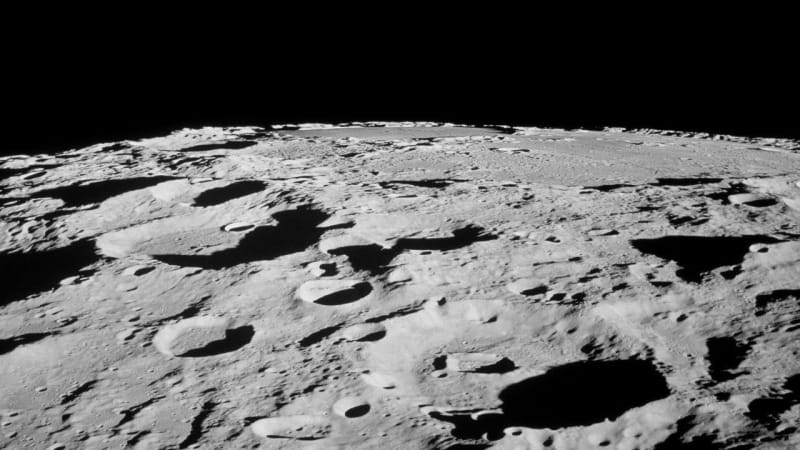
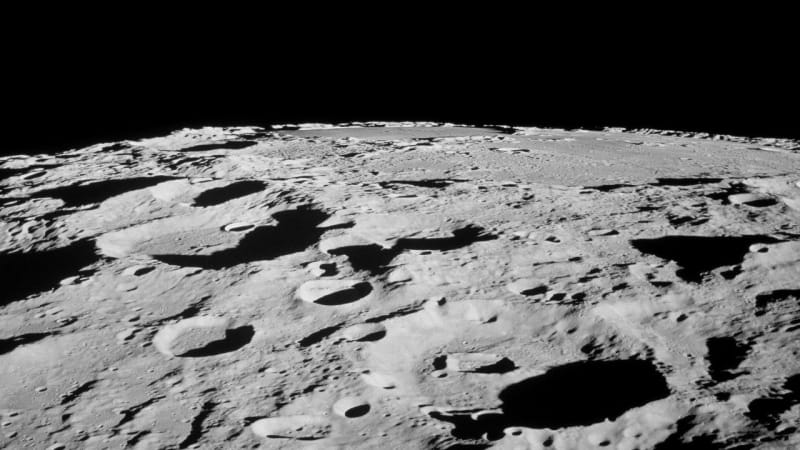
The breakthrough came when researchers looked at where Apollo astronauts collected their samples. All six missions landed in flat, dark regions called mare plains, which contain a specific type of volcanic rock.
These rocks are rich in titanium. When scientists analyzed the chemistry, they discovered that only titanium-rich samples recorded strong magnetic signals.
"Our new study suggests that the Apollo samples are biased to extremely rare events that lasted a few thousand years," says lead author Claire Nichols. The astronauts had accidentally sampled the exceptions, not the rule.
Computer models confirmed this sampling bias. If scientists had randomly collected rocks from anywhere on the moon's surface, they would rarely find evidence of these magnetic spikes.
The Bright Side
This discovery does more than settle an old debate. It helps scientists understand how planetary cores evolve and why Earth kept its magnetic field while the moon's faded away.
Magnetic fields protect planets from solar radiation and help atmospheres survive. Some researchers believe the moon's ancient magnetism may have even helped Earth retain its early atmosphere.
The timing couldn't be better. NASA's Artemis program will soon send astronauts to unexplored regions of the moon, giving scientists the chance to test these findings and gather rocks that tell the fuller story.
For most of its history, the moon had a weak magnetic field, just like theories predicted. But for brief, spectacular moments between 3.5 and 4 billion years ago, titanium-rich melts at the core created magnetic bursts strong enough to be recorded in stone.
The moon's secrets are finally coming into focus, one rock at a time.
More Images


Based on reporting by Space.com
This story was written by BrightWire based on verified news reports.
Spread the positivity!
Share this good news with someone who needs it