Moon's Oldest Craters Hold Most Water Ice for Astronauts
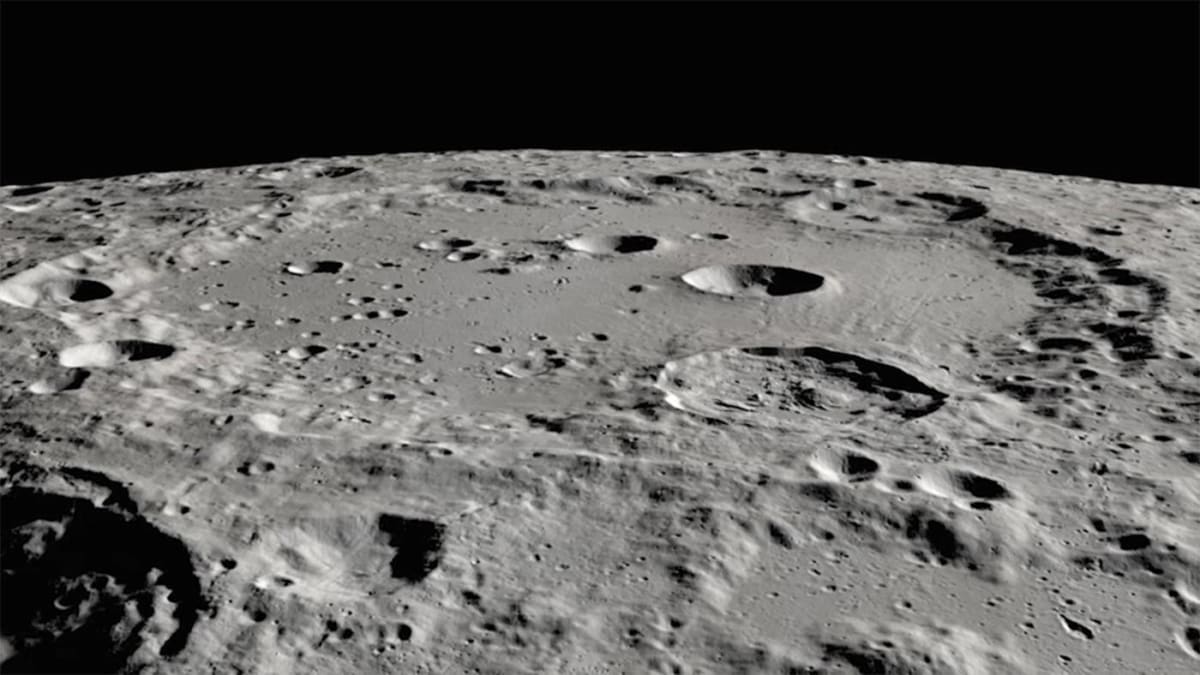
Scientists just discovered that the moon's most ancient craters contain the most water ice, and it's been accumulating for over 3 billion years. This find could be a game changer for future astronauts planning to live and work on the lunar surface.
The moon has been quietly collecting water in its darkest corners for billions of years, and scientists just figured out exactly where future astronauts should look for it.
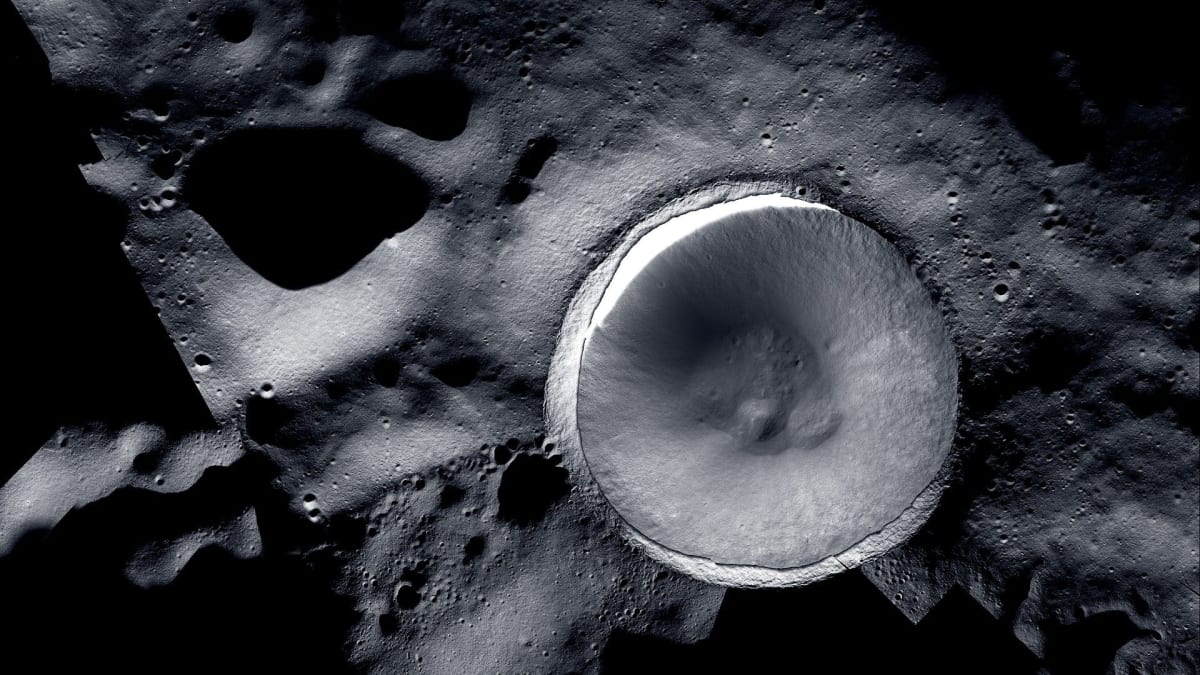
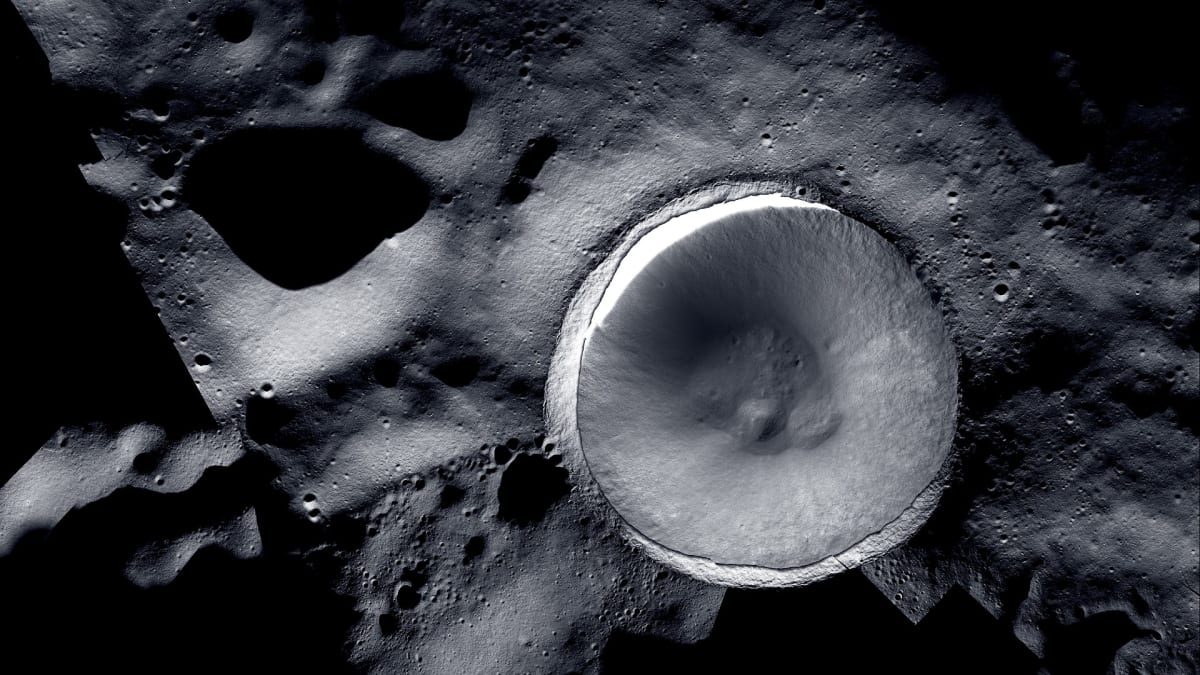
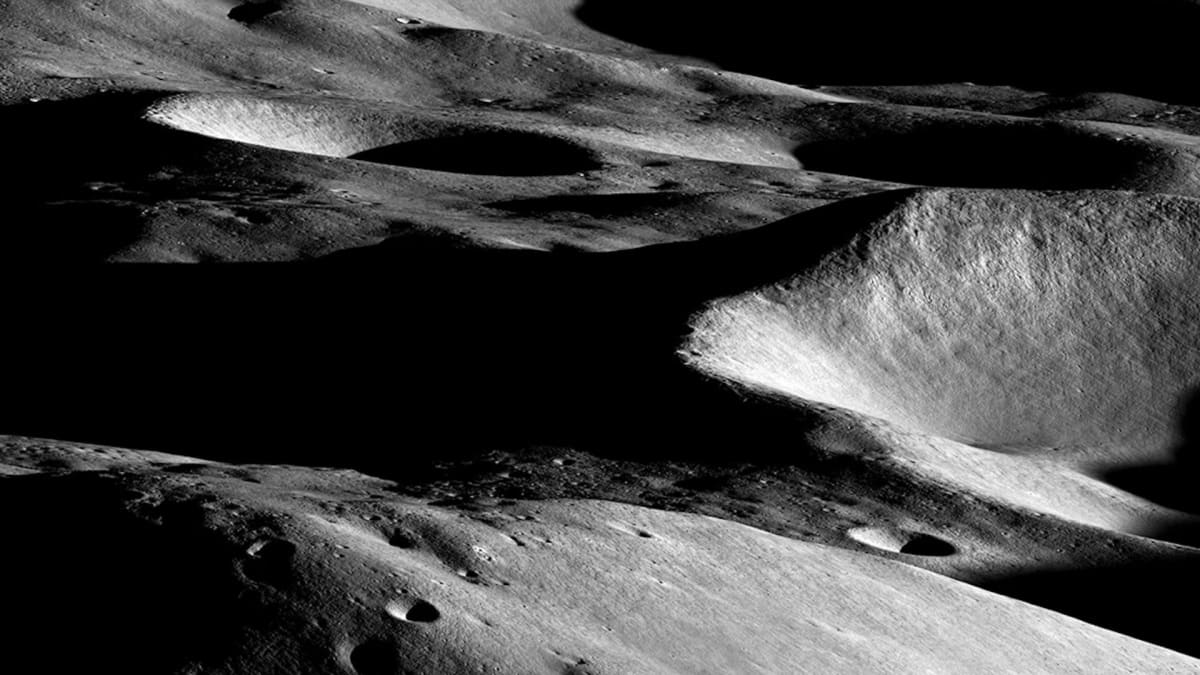
New research reveals that the oldest craters at the moon's south pole hold the most water ice. Some of these craters, like Haworth crater, have been shrouded in shadow for more than 3 billion years and are packed with frozen water waiting to be tapped.
Here's where it gets interesting. Scientists used to think all this ice arrived in one dramatic event, like a massive comet crash. But the evidence tells a different story.
Planetary scientist Paul Hayne and his team at the University of Colorado discovered that water ice has a patchy distribution across the moon's surface. It's not everywhere, just in specific spots. That pattern gave them their first clue.
The team worked backwards using temperature data and computer models to track how these craters changed over billions of years. They found something surprising: the moon's tilt has shifted over time, meaning craters that were once bathed in sunlight are now in shadow, and vice versa.
When sunlight hits water ice on the moon, it either evaporates into space or migrates to colder areas. The craters that stayed dark the longest kept their ice, while others lost theirs. The pattern matched perfectly with where NASA's Lunar Reconnaissance Orbiter detected water ice today.
This means the moon has been collecting water gradually, not all at once. The ice likely came from countless small asteroid and comet impacts over billions of years. Some might have even bubbled up from deep inside the moon during ancient volcanic eruptions that created the dark plains we see today.
There's even another possibility: the solar wind constantly bombards the moon with hydrogen, which can transform into water when it hits the lunar surface.
Why This Inspires
For future astronauts, this discovery is pure gold. Water ice isn't just for drinking. It can be split into hydrogen and oxygen for rocket fuel and breathable air, making lunar bases far more sustainable.
The findings come at the perfect time, with lunar exploration gaining momentum again. Knowing exactly where to find the most water ice means missions can land in the right spots from the start.
The best part? The moon's oldest, coldest craters are essentially time capsules that have been preserving this precious resource for billions of years, just waiting for us to arrive.
Our nearest neighbor has been preparing for our return all along.
More Images

Based on reporting by Space.com
This story was written by BrightWire based on verified news reports.
Spread the positivity!
Share this good news with someone who needs it
%2Fhttps%3A%2F%2Ftf-cmsv2-smithsonianmag-media.s3.amazonaws.com%2Ffiler_public%2F1a%2F72%2F1a72d8cc-970c-48cf-83f6-b16e605ff5c0%2Flow-res_f26-plastic-cookies-hr.jpg)