%2Ffile%2Fattachments%2Forphans%2FMopane-worm-meal_743401.jpg)
Mopane Worms and Wild Frankincense Create New Economies
Across Africa, researchers are proving conservation can pay for itself by helping rural communities earn sustainable income from wild resources like edible insects and tree resins. From flavored mopane worm snacks in Botswana to frankincense harvesting in Kenya, these efforts keep landscapes wild while lifting up local people.
Imagine ordering crocodile at a famous Nairobi restaurant, only to realize the wild kudu you actually wanted had to be shipped from South Africa because nobody's legally harvesting it locally. This irony drives a powerful new approach to conservation: letting people profit from protecting wild spaces, not just fencing them off.
The African Wildlife Economy Institute at Stellenbosch University is rewriting the rules on how conservation works. Instead of keeping communities out, they're helping rural Africans build businesses around sustainably harvested wild resources like mopane worms, frankincense resin, and native plants.
The challenge is real. When animals or plants get commercially valuable, companies often just farm them instead. Once that happens, the wild landscapes these species came from lose their economic protection and become expendable.
Wiseman Ndlovu grew up hunting near Zimbabwe's Hwange National Park, where winter meant tracking impala and kudu with dogs for survival. Now he's using his economist training to help scale up black hunters and support emerging wildlife farmers through game loan programs.
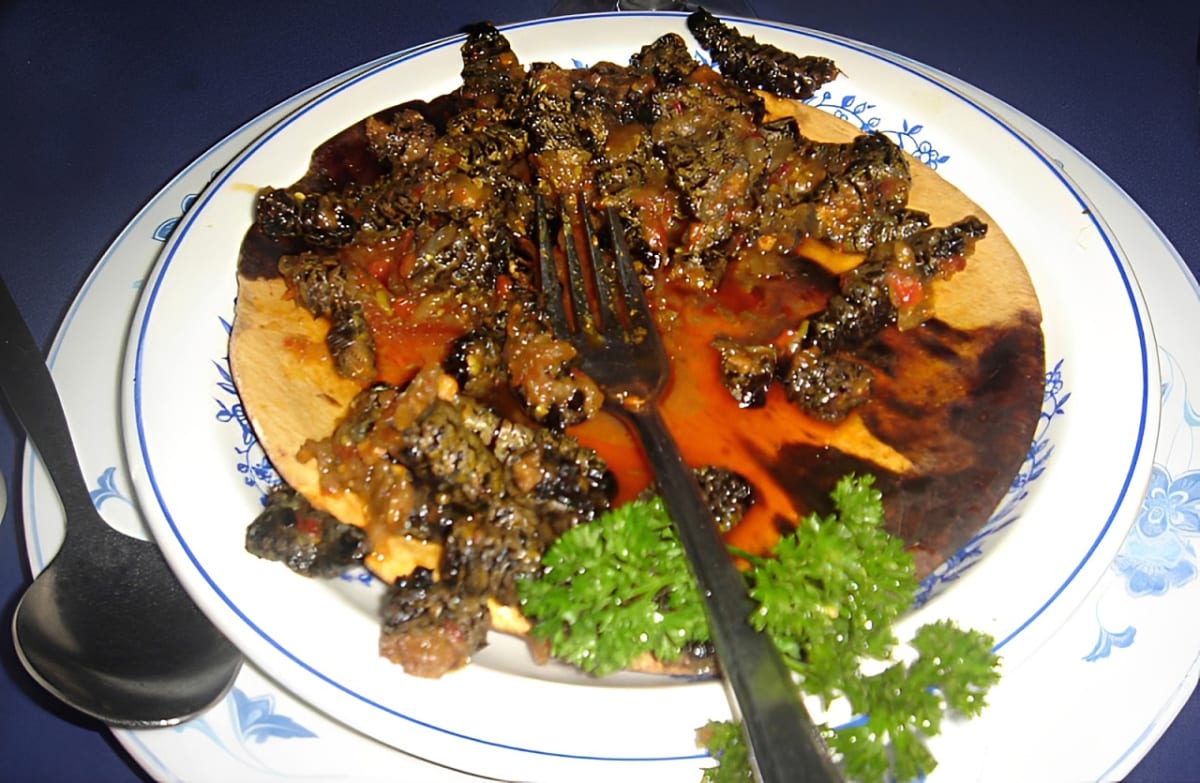
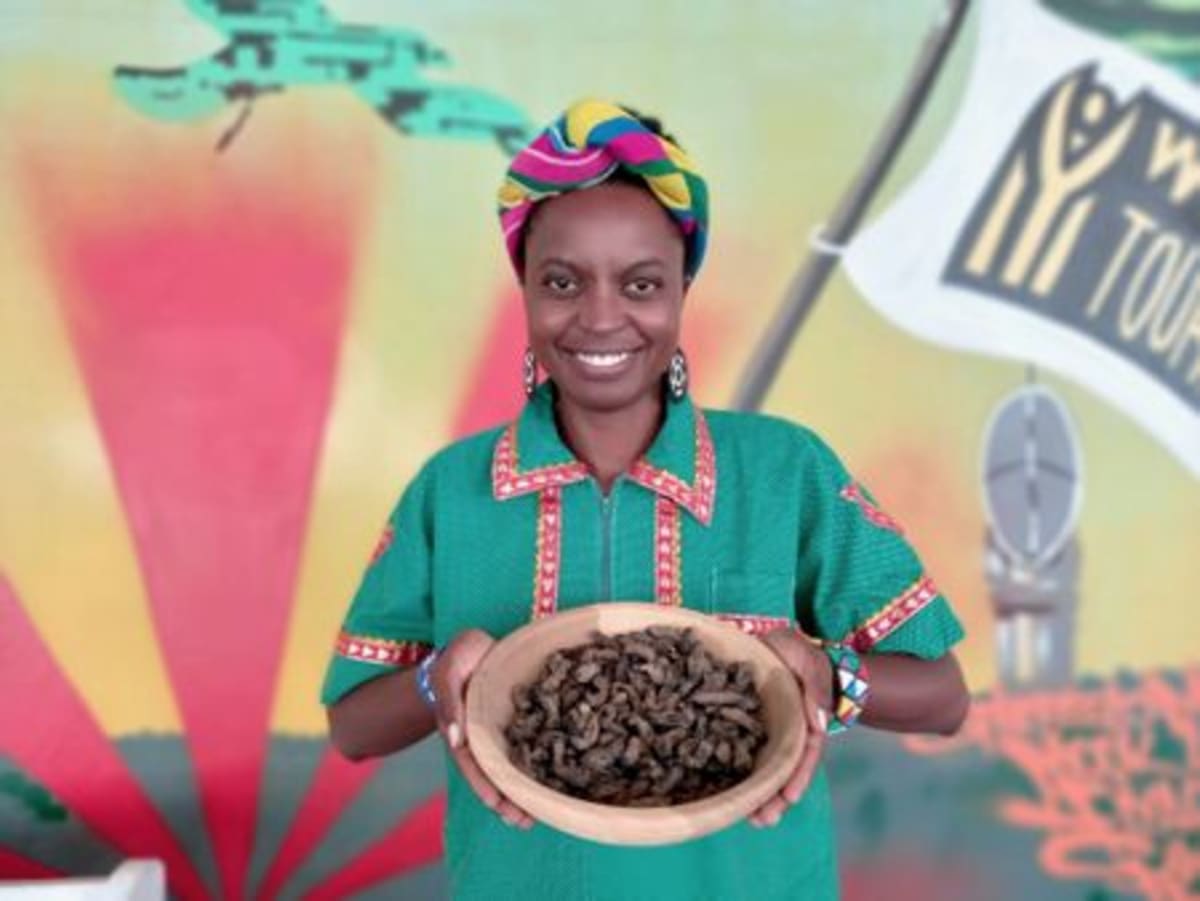
One of his focus areas is surprisingly small but culturally massive: mopane worms. Entrepreneurs in Botswana and Zimbabwe are creating flavored, processed mopane snacks for urban markets. These protein-rich caterpillars were recently served to international delegates at a major wetlands conference, signaling their growing global appeal.
The institute isn't stopping at insects. They're partnering with the FairWild Foundation to study frankincense trade in Kenya and Somalia, mapping value chains from harvest to export and exploring sustainable harvesting of other species growing alongside the native Boswellia trees.
The Ripple Effect
Getting wild products from remote landscapes to markets requires solving complex puzzles around food safety, traceability, and legal frameworks. Awei researchers are tackling exactly these hurdles, developing health frameworks for game meat and labeling systems to track wildlife products.
The institute launched in 2018 after workshops revealed a gap: nobody was connecting economics, ecology, and trade policy with evidence-based research. Early years ran on volunteer energy until major funding in 2021 let them scale up as a "think-do tank" that turns research into real-world action.
For Francis Vorhies, who leads Awei, the goal is clear: people living alongside wildlife must be able to legally and profitably use their landscapes. Otherwise, the temptation to convert wild spaces for farming or development becomes overwhelming.
This model flips traditional conservation on its head. By creating economic value that depends on keeping ecosystems wild and intact, rural communities become the most motivated protectors of biodiversity.
From processing caterpillars to harvesting tree resins, Africa's emerging wildlife economy is proving that conservation and livelihoods don't have to compete.
More Images
%2Ffile%2Fattachments%2Forphans%2FWiseman1_899873.jpg)
%2Ffile%2Fattachments%2Forphans%2FFrankincense_branches_819791.jpg)
Based on reporting by Daily Maverick
This story was written by BrightWire based on verified news reports.
Spread the positivity!
Share this good news with someone who needs it