Moroccan Engineer Wins France Prize for Building Stethoscope
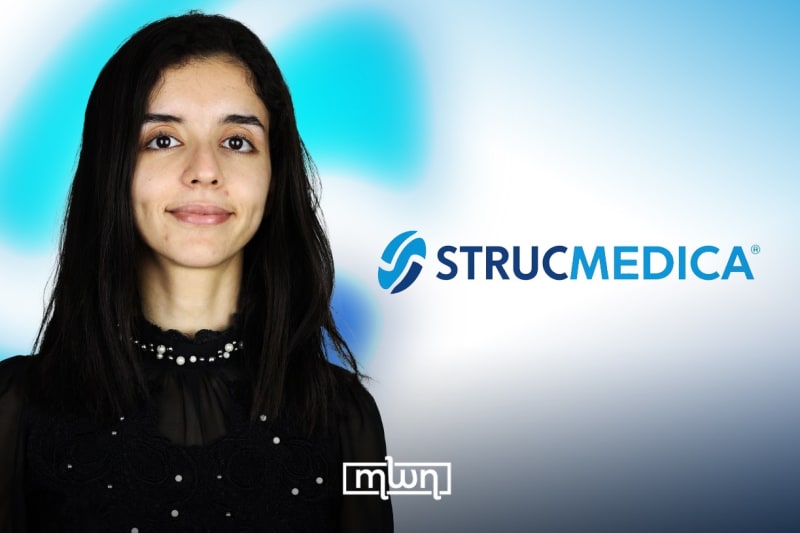
A Moroccan civil engineer who slept in a car during the 2004 earthquake has invented a non-invasive tool that "listens" to concrete structures before they fail. Her startup just won France's prestigious Prix Pépite for student entrepreneurship.
When Ouijdane Qacami was a child in northern Morocco, a powerful earthquake forced her family to sleep in their car, too afraid to return to their fragile apartment. That night in 2004 planted a seed that would eventually grow into Strucmedica, a company that could save countless lives by detecting building problems before disaster strikes.
Qacami doesn't see buildings the way most of us do. Where others notice architecture or function, she sees cracks, stress patterns, and warning signs of trouble ahead.
That unique vision just earned the civil engineer France's national Prix Pépite, one of the country's most competitive awards for student entrepreneurship. She was selected from thousands of applicants as one of just 30 national winners in late 2025.
Her invention works like a medical stethoscope, but for concrete. The technology "listens" to buildings without drilling, cutting, or disrupting operations, detecting small problems before they become dangerous or expensive.
Qacami developed the idea after years of watching the same pattern repeat. Industrial halls, schools, and aging bridges showed clear signs of degradation that went ignored until it was too late.
Many European bridges built after World War II are now at risk because inspections were deferred for decades. The same challenge exists across Morocco, where the deadly 2023 Al Haouz earthquake renewed urgent questions about building safety.
Traditional approaches often default to demolition, but Qacami argues that's wasteful on every level. Tearing down structures generates massive waste, emits carbon, displaces communities, and erases cultural heritage.
Her alternative provides something better: a current diagnosis, a prediction of how damage will evolve, and specific repair recommendations. Building owners can plan maintenance proactively instead of waiting for catastrophe.
After earning her engineering degree in Morocco, Qacami pursued advanced studies in France, completing a doctorate in concrete durability and executive training at HEC Paris. Her career alternated between research labs and construction sites, giving her insight into what she calls "the real limits of current inspection practices."
The breakthrough came when prototypes moved from the laboratory to real-world testing and earned patents. That's when academic research transformed into a scalable business with genuine market demand.
Why This Inspires
Strucmedica represents a powerful shift from reactive crisis management to preventive care for the structures that shelter our lives. Qacami turned childhood trauma into a mission that could protect millions of people from the same fear she experienced as a girl sleeping in a car.
The company is now running an early-adopter program for building owners, asset managers, and public authorities. Qacami believes awareness is the first step toward changing outdated industry practices that put people at risk.
Her invention proves that the best solutions often come from those who've lived through the problem firsthand and refused to accept it as inevitable.
Based on reporting by Morocco World News
This story was written by BrightWire based on verified news reports.
Spread the positivity!
Share this good news with someone who needs it