Morocco Creates 30,000 Jobs for Youth Without Degrees
Morocco just launched a program to connect 30,000 young people without diplomas to real jobs, with plans to scale to 100,000 annually. The initiative tackles a major gap: 800,000 unemployed youth who've never had a chance at formal work experience.
Nearly 800,000 young Moroccans have never had a shot at their first job because they lack formal qualifications. That's about to change.
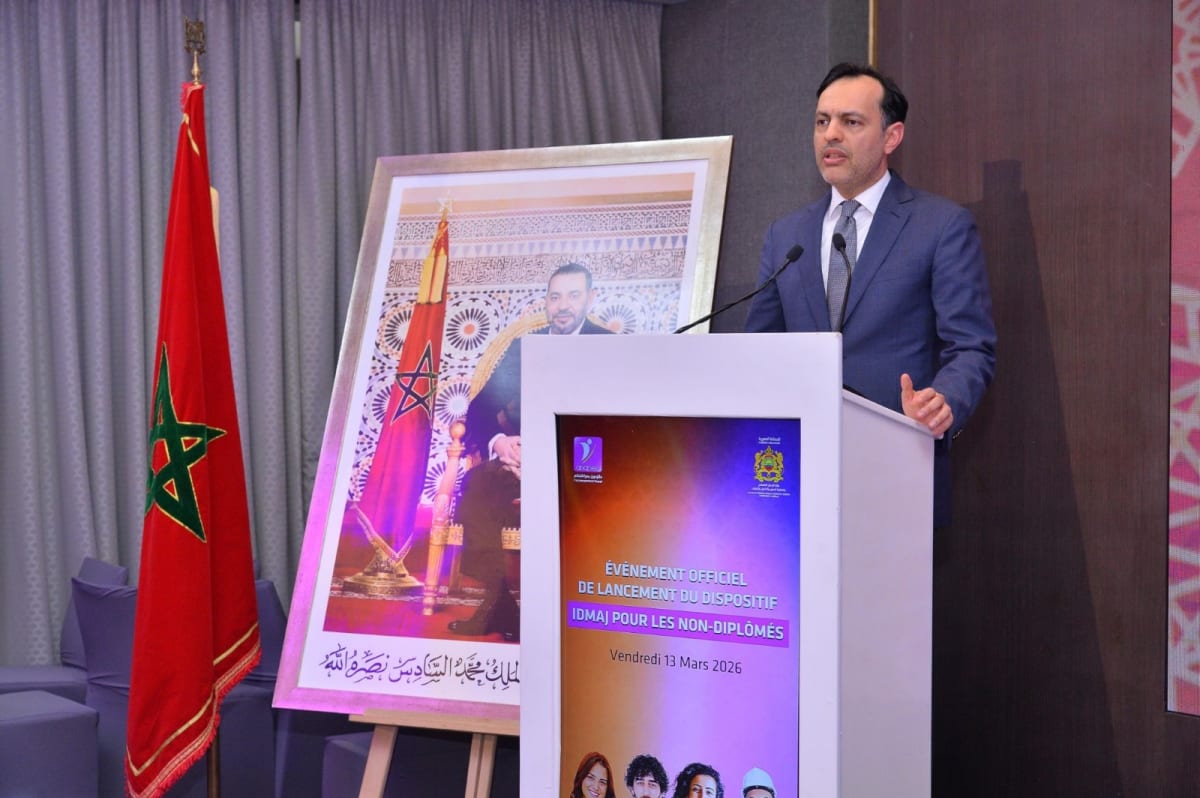
The Moroccan government just launched IDMAJ, a national program placing young people without diplomas into paid apprenticeships across 200 different trades. Minister Younes Sekkouri announced 30,000 confirmed job positions are ready right now, spanning industries from automotive manufacturing to construction, with potential to reach 65,000 openings in the program's first phase.
The need is urgent. Morocco faces 900,000 unemployed people without qualifications and 280,000 young school dropouts struggling to find work. Meanwhile, employers report they could have 100,000 job openings sitting empty by the end of 2025 simply because they can't find workers with the right skills.
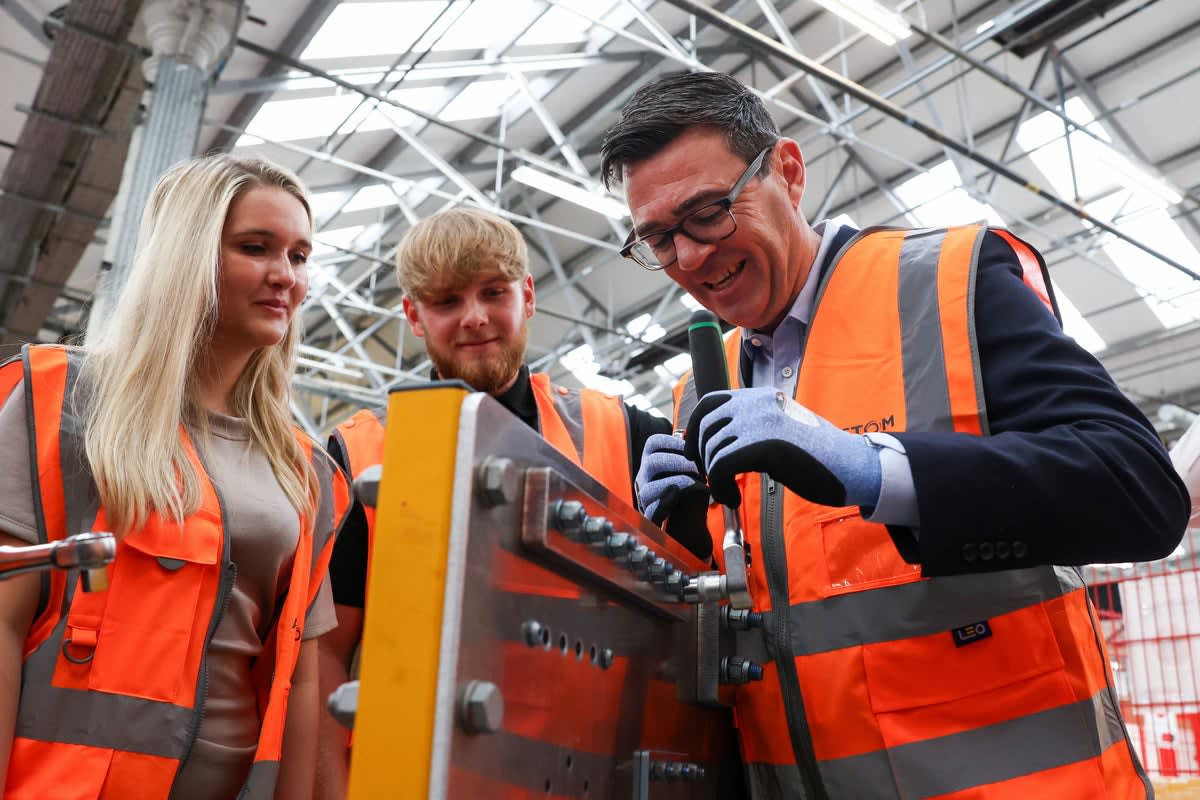
IDMAJ bridges that gap with three to six months of hands-on training. Companies get major incentives to participate: the government covers health insurance costs during apprenticeships, exempts businesses from payroll taxes, and waives income taxes on new hires. If a company keeps an apprentice permanently after the 12-month contract, the state continues paying social security contributions for another year.
The program builds on lessons learned during the pandemic. Similar initiatives helped 235,000 Moroccans find employment, and employers consistently praised workers without formal degrees for their commitment and loyalty.
ANAPEC Director General Abdellah Chouikh shared early results that signal strong momentum. Nearly 10,000 young people signed integration contracts by the end of February, and partnerships with industry groups are already locked in across construction, retail, restaurants, and manufacturing sectors.
The Ripple Effect spreads beyond individual job placements. When young people earn steady paychecks, they support families, boost local economies, and break cycles of poverty. The program particularly targets regions where qualified workers are scarce, helping balance economic opportunity across Morocco.
ANAPEC plans to support up to 400,000 people annually once fully scaled, including seasonal workers who often face unstable employment. That's 400,000 families gaining financial security, 400,000 young people building careers instead of facing dead ends.
Sekkouri emphasized this isn't just about filling positions today but reshaping Morocco's entire approach to matching workers with opportunities. The focus on practical skills over formal credentials opens doors that traditional hiring closes.
For Mohamed, Fatima, and thousands of other young Moroccans who thought their lack of a diploma meant a lifetime of closed doors, those doors are finally swinging open.
Based on reporting by Morocco World News
This story was written by BrightWire based on verified news reports.
Spread the positivity!
Share this good news with someone who needs it