Morocco Feeds 4.3M Families This Ramadan With Food Support
Morocco just launched its 28th annual Ramadan food program, delivering essential groceries to 4.3 million people as food prices climb. The $77 million initiative uses a national database to ensure help reaches families who need it most.
When food costs are rising and budgets are tight, Morocco is making sure 4.3 million of its most vulnerable citizens won't go hungry this Ramadan.
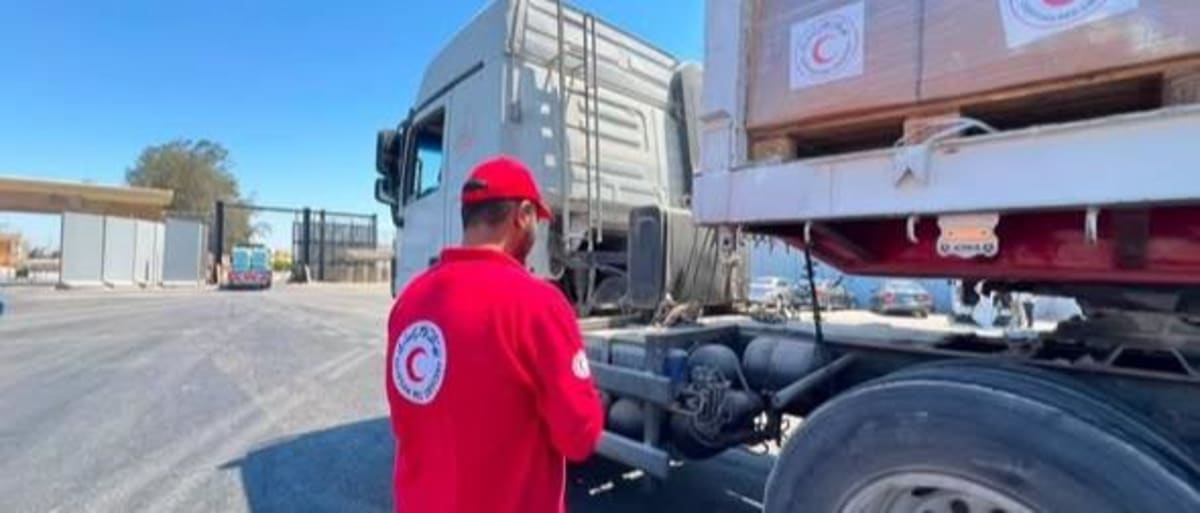
King Mohammed VI and Crown Prince Moulay El Hassan launched the "Ramadan 1447" solidarity operation this week in Sale, marking the 28th year of one of the nation's largest humanitarian efforts. The program will distribute 34,550 tons of essential groceries to families across all 1,304 municipalities in the country.
The timing couldn't be more critical. Morocco's food prices jumped 0.8% in January alone, adding strain to household budgets right as Ramadan increases daily expenses. For elderly citizens, widows, people with disabilities, and low-income families, that price hike could mean choosing between essentials.
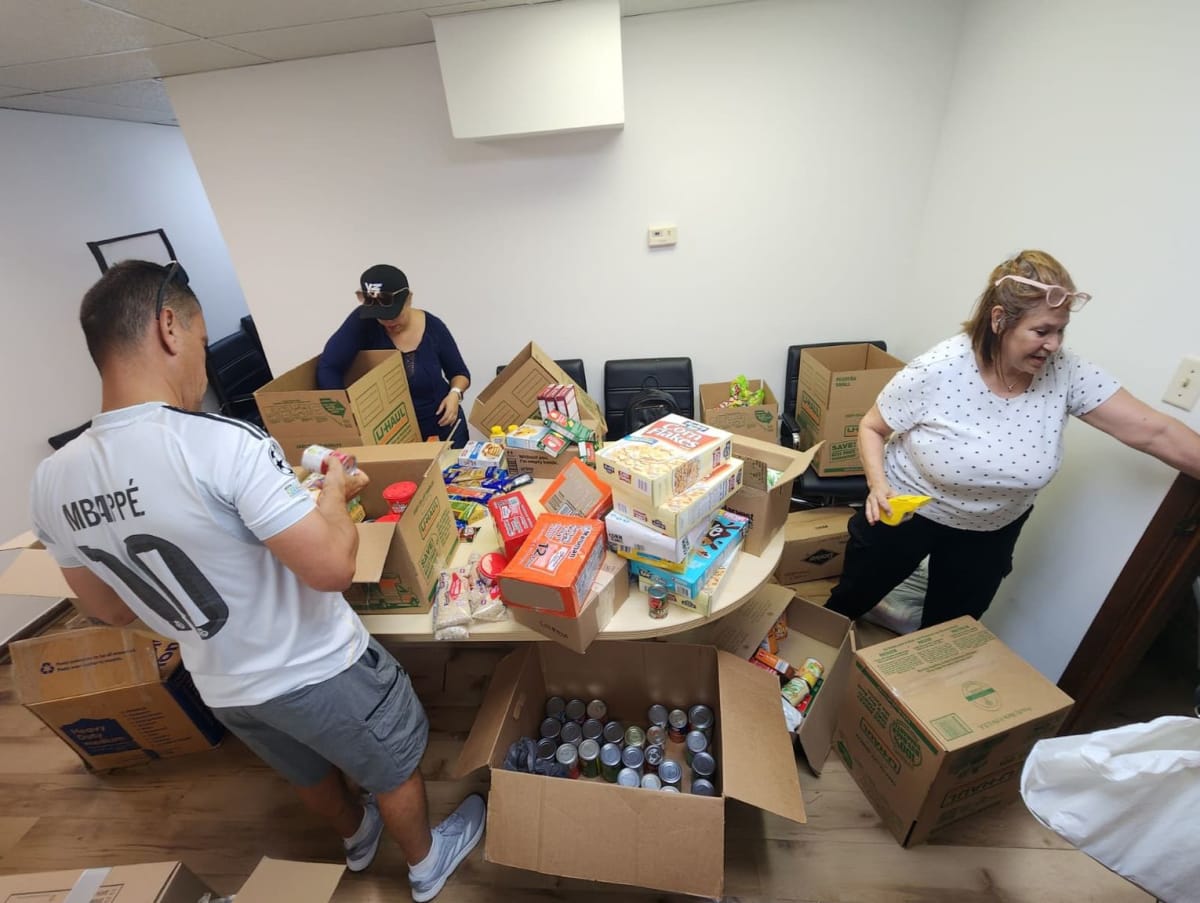
That's where the food baskets come in. Each package contains flour, rice, oil, sugar, milk, pasta, lentils, tomato paste, and tea. These aren't luxury items but basic staples that help families maintain dignity and share meals throughout the holy month.
What started in 1998 as a response to food insecurity has evolved into a sophisticated national system. This year marks the second time Morocco used its Unified Social Register to identify recipients. The database tracks socio-economic information across the country, ensuring aid reaches people based on clear vulnerability criteria rather than chance or connections.
The Mohammed V Foundation for Solidarity manages the entire operation with a budget of 305 million dirhams, roughly $77 million. That investment supports not just immediate food needs but a broader culture of mutual aid that Moroccans have embraced for nearly three decades.
The government also reactivated its 5757 consumer hotline so citizens can report price gouging or supply shortages during Ramadan. It's another layer of protection ensuring families aren't exploited when they're most vulnerable.
The Ripple Effect
Beyond filling pantries, this program strengthens the social fabric of an entire nation. When 4.3 million people receive support, that's roughly 12% of Morocco's population experiencing tangible proof that their country won't let them face hardship alone.
The precision of the Unified Social Register means resources go where they're genuinely needed, building public trust in government systems. Communities see their neighbors cared for with transparency and efficiency, reinforcing the collective responsibility that makes such programs possible year after year.
For families worried about stretching budgets through a month of increased expenses, these food baskets remove immediate stress and allow them to focus on the spiritual and communal aspects of Ramadan. Parents can share iftar meals without anxiety, and children experience the holy month's traditions without the shadow of scarcity.
As Morocco enters its third decade of this tradition, the program proves that sustained commitment to solidarity creates real, measurable impact on millions of lives.
Based on reporting by Morocco World News
This story was written by BrightWire based on verified news reports.
Spread the positivity!
Share this good news with someone who needs it