Morocco Invests Billions for 2030 World Cup Vision
Morocco will co-host the 2030 World Cup after five failed bids, investing heavily in stadiums, airports, and rail lines. The tournament represents the North African nation's bold modernization strategy, though citizens debate whether investments should prioritize infrastructure over education and healthcare.
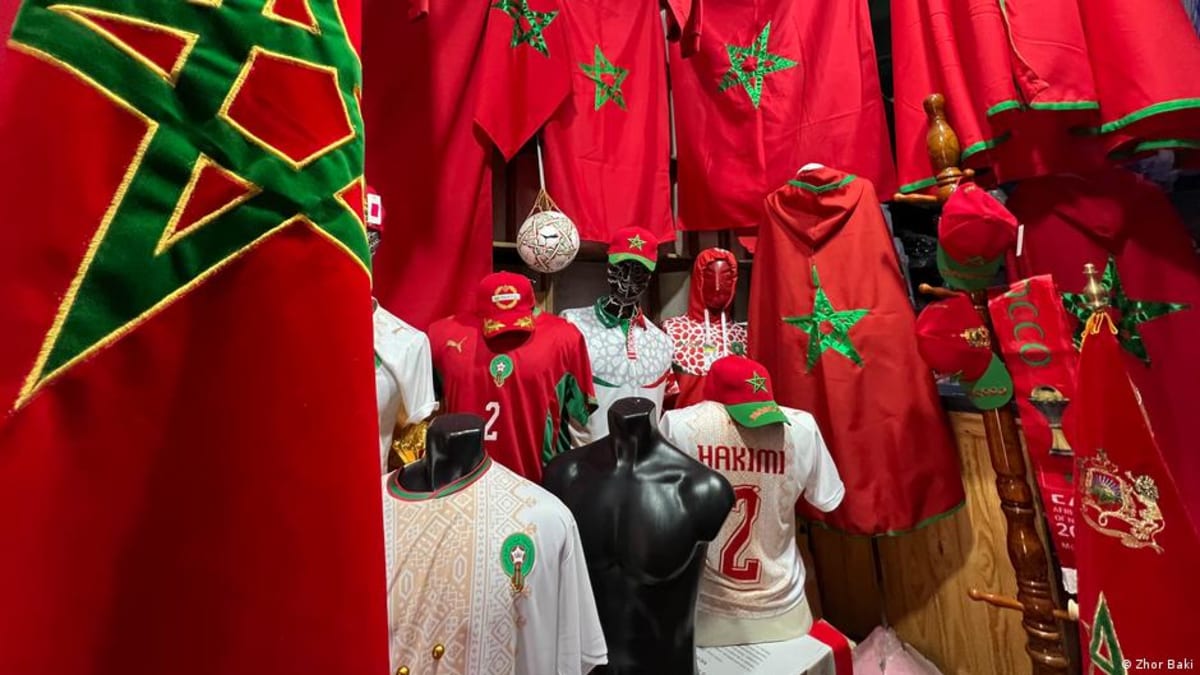
After five decades of trying, Morocco finally won the right to co-host the 2030 World Cup with Spain and Portugal, turning a sporting dream into a national transformation project.
The North African kingdom is pouring billions into new stadiums, airports, rail lines and roads ahead of the tournament. At the center of the vision sits the planned Hassan II Stadium near Casablanca, set to become the world's largest soccer venue with 115,000 seats.
For Morocco, this goes far beyond hosting games. The country is using the World Cup as a catalyst for economic development, shifting from agriculture toward industry, services and tourism as climate change and drought reshape its future.
Morocco lacks major oil and gas reserves, so it's building influence through culture and politics instead. The tournament aims to showcase the kingdom as a modern, open nation capable of managing projects at the highest level and attracting international investment.
The strategy appears to be working in some ways. Over the past 25 years, Morocco has become Africa's largest automotive exporter while improving life expectancy, income and education levels across the country.
The Ripple Effect
The transformation is already visible in Moroccan cities. New transportation links, sports facilities and public spaces are changing urban landscapes, giving many citizens pride in their nation's progress.
The investments could strengthen Morocco's position across Africa while creating jobs and economic opportunities for years to come. Infrastructure built for the World Cup will serve communities long after the final whistle blows.
Still, the project faces real questions. Thousands of young Moroccans protested last year, arguing that money spent on stadiums should go toward education and healthcare instead.
Water scarcity presents another challenge in a country facing significant drought. Experts wonder whether increased tourism from the World Cup is sustainable long-term, especially if it comes at agriculture's expense.
Regional inequalities and high youth unemployment remain stubborn problems despite Morocco's economic gains. The question now is whether World Cup investments will benefit ordinary Moroccans or simply create expensive monuments.
Many citizens hold both pride and concern simultaneously. They celebrate visible improvements while worrying about rising costs of living and families displaced by new construction projects.
Success will depend on whether the infrastructure serves communities after 2030 or sits underused. Morocco has four years to prove that its biggest sporting bet can deliver lasting progress for its people.
More Images

Based on reporting by DW News
This story was written by BrightWire based on verified news reports.
Spread the positivity!
Share this good news with someone who needs it