Morocco Joins 64 Nations in New Space Exploration Era
Morocco became the 64th country to sign the Artemis Accords, joining a global coalition working toward peaceful space exploration and a permanent lunar base. The partnership extends a friendship that began in 1777 when Morocco became the first nation to recognize the United States.
Morocco just took a giant leap into the future of space exploration, and it's rooted in one of America's oldest friendships.
On April 29, Morocco signed the Artemis Accords at a ceremony in Rabat, becoming the 64th nation to join the international agreement guiding peaceful space exploration. Foreign Minister Nasser Bourita signed on behalf of the kingdom, with US officials witnessing the historic moment.
NASA Administrator Jared Isaacman welcomed Morocco's entry in a video message celebrating the partnership. "They join a growing community of nations working together to ignite a new era of peaceful, transparent, and responsible space exploration," he said.
The timing couldn't be more fitting. Morocco holds a special place in American history as the first country to recognize the United States in 1777. That early friendship led to the Treaty of Peace and Friendship, which remains the longest unbroken treaty in American history.
The connection between the two nations extends beyond Earth's atmosphere. NASA and Morocco have collaborated on space initiatives since 1962 through technical exchanges and Earth observation projects. The Moroccan Center for Remote Sensing actively contributes to international cooperation in tracking our planet from space.
The Artemis Accords outline ten principles for responsible space exploration, including peaceful purposes, transparency, sharing scientific data, and managing space debris. Launched in 2020 with eight founding countries, the framework has grown rapidly as more nations commit to exploring space together.
The Ripple Effect
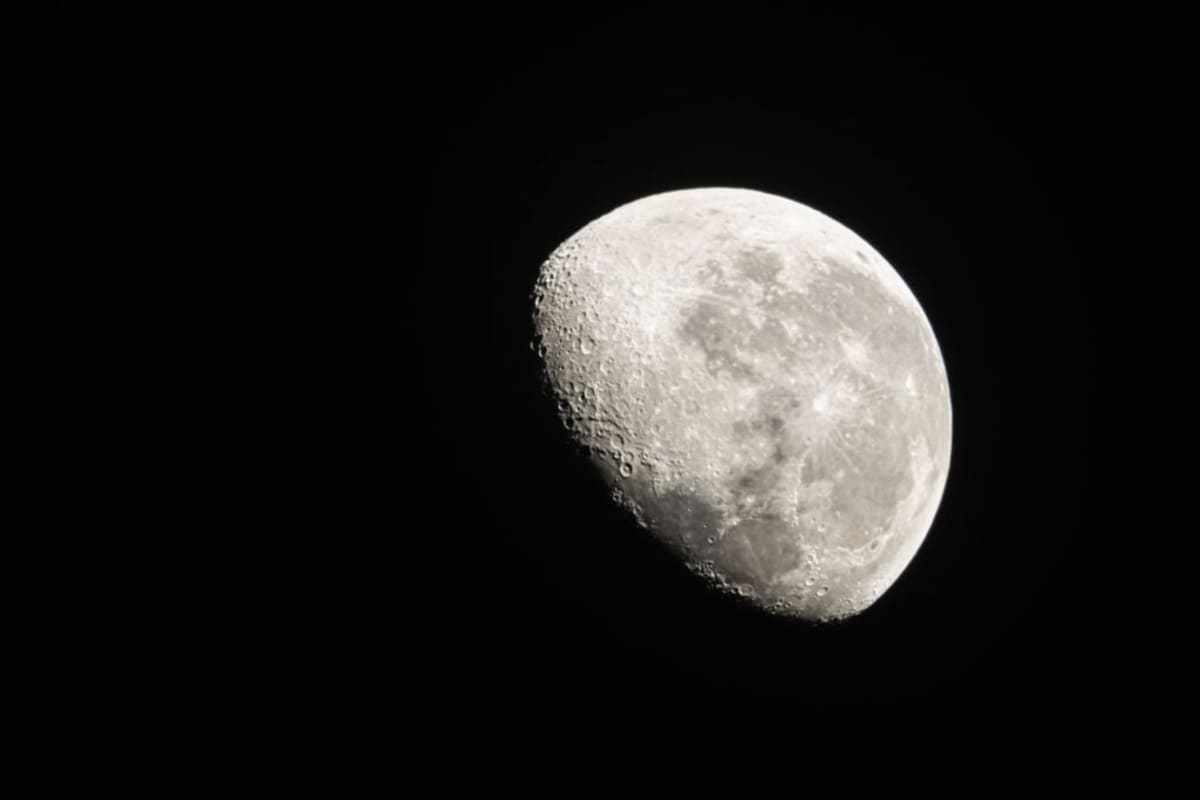
Morocco's signing comes at a pivotal moment for humanity's return to the Moon. The Artemis program isn't just about planting flags this time. NASA plans to establish a permanent lunar base where international partners will play direct roles in sustained operations beyond Earth.
Morocco's expertise in remote sensing and Earth observation will contribute to these shared efforts. The country's growing space capabilities position it to add real value to missions that will reshape how we live and work beyond our planet.
"What comes next is a series of missions that will take us back to the lunar surface, not just for the flags and footprints, but to build a base and stay," Isaacman explained. Partner nations from every continent will help make that vision real.
The US State Department described the signing as extending the strong US-Morocco alliance into space, demonstrating Morocco's commitment to responsible exploration.
Together, 64 nations are now leading what Isaacman calls "the golden age of space exploration," and this is just the beginning.
Based on reporting by Morocco World News
This story was written by BrightWire based on verified news reports.
Spread the positivity!
Share this good news with someone who needs it