Morocco Pardons 1,201 People for Eid Al Fitr
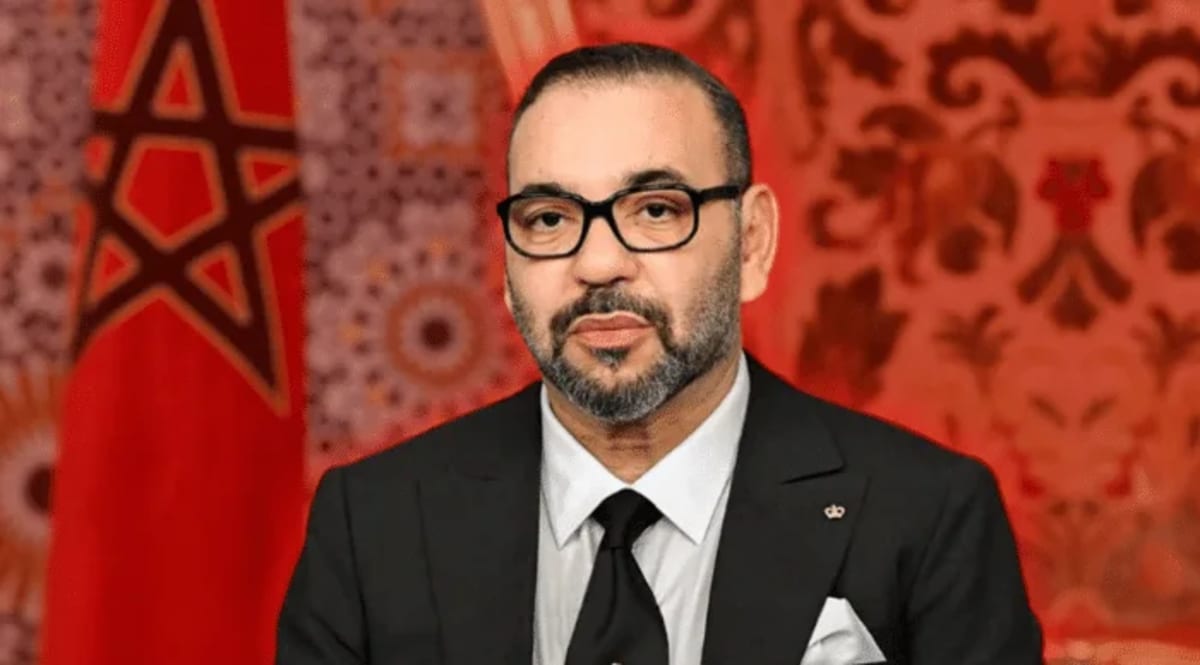
King Mohammed VI granted clemency to over 1,200 people this Eid Al Fitr, including 19 former extremists who renounced violence. The royal pardon reflects Morocco's commitment to second chances and social healing.
More than 1,200 people received a fresh start this week when Morocco's King Mohammed VI granted royal pardons to celebrate Eid Al Fitr.
The Ministry of Justice announced that 1,201 individuals convicted by courts across Morocco benefited from the traditional act of mercy. Among them, 1,063 were currently serving time in prison while 138 had already been released.
The pardons ranged from complete sentence forgiveness to reduced time and waived fines. Seventeen prisoners walked free with full pardons, while 1,045 others saw their sentences shortened. One person serving a life sentence had it converted to a fixed term, offering hope for eventual release.
Beyond the prison walls, 119 people who had already served their time received relief from remaining legal obligations. Some were freed from outstanding fines, while others were pardoned from additional imprisonment requirements they still faced.
In a powerful gesture of reconciliation, 19 people convicted of extremism and terrorism offenses were included in the pardon. These individuals had formally renounced radical ideologies, rejected violent extremism, and recommitted themselves to Morocco's national institutions. Four received full pardons while fifteen had their sentences reduced.
Why This Inspires
Royal pardons during religious holidays represent more than legal forgiveness. They signal a society's belief that people can change and deserve pathways back to their communities.
Morocco has maintained this tradition of mercy during major celebrations for years. The practice balances accountability with compassion, recognizing that justice includes both consequences and redemption.
For the 19 former extremists granted clemency, the pardon represents something deeper than freedom. It validates the difficult work of ideological transformation and offers proof that renouncing violence opens doors to reintegration rather than permanent exclusion.
The Ministry of Justice framed the pardons as part of Morocco's broader commitment to rehabilitation and social reconciliation. This approach treats formerly incarcerated people as future neighbors and community members rather than permanent outcasts.
As families reunited and obligations lifted this Eid, 1,201 people discovered that second chances sometimes arrive when you need them most.
Based on reporting by Morocco World News
This story was written by BrightWire based on verified news reports.
Spread the positivity!
Share this good news with someone who needs it