Morocco's 20-Year Soccer Dream Comes Down to Sunday
After two decades of investment in youth academies and infrastructure, Morocco hosts the Africa Cup of Nations final this Sunday with a chance to prove their long-term vision is paying off. The match against Senegal represents more than a trophy—it's the culmination of a national transformation plan launched in 2008.
Morocco's biggest soccer moment in 20 years arrives Sunday when they face Senegal in the Africa Cup of Nations final, and for the host nation, this game represents far more than lifting a trophy.
Back in 2008, King Mohammed VI laid out an ambitious roadmap to transform Morocco into a global soccer power through sustained investment in youth development and infrastructure. The crown jewel came in 2009 with the Mohammed VI Academy in Salé, which has produced key players on the current national team.
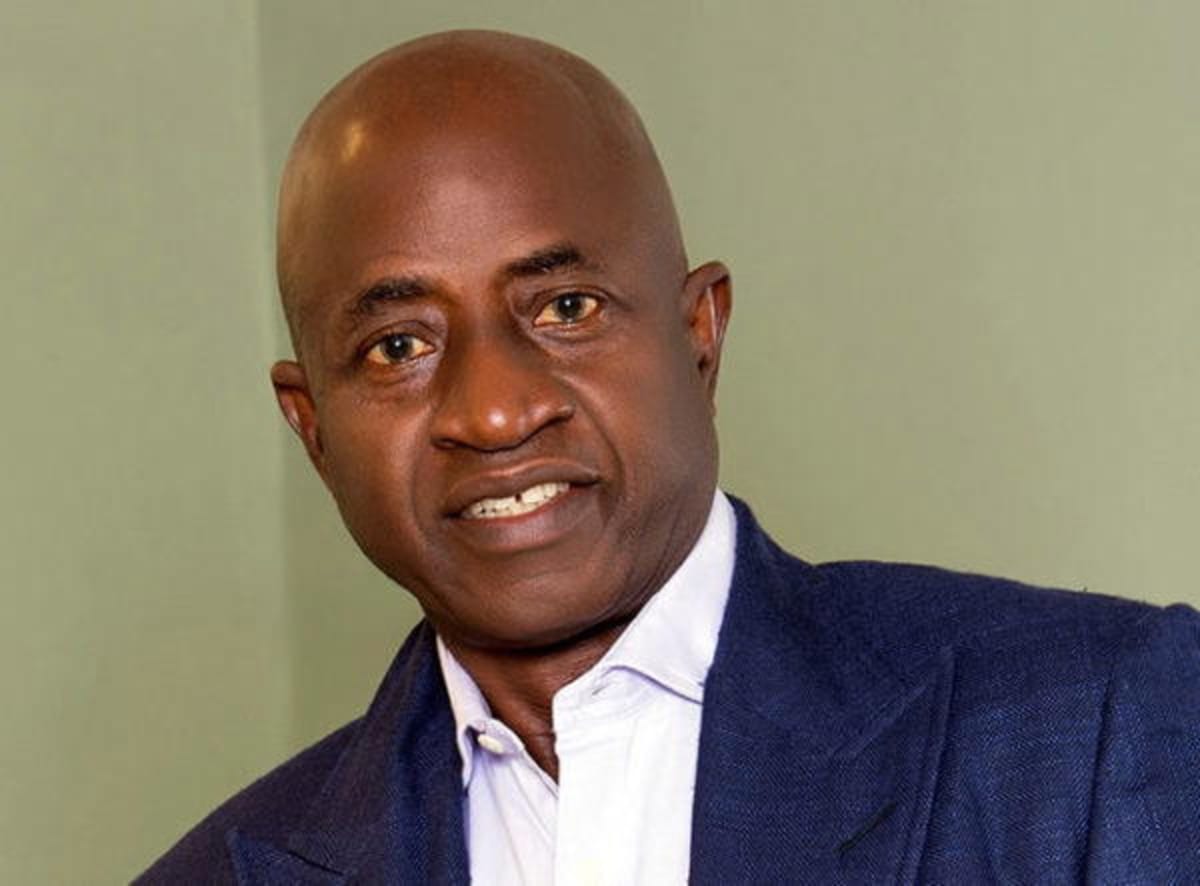
"This isn't a temporary surge, but the beginning of a long path that will make Morocco a continental and global football power," said FA President Faouzi Lekjaa. That long path now reaches a crucial milestone with Morocco ranked 11th globally and Senegal 19th, making Sunday's match a collision between Africa's two most successful programs of the past decade.
Head coach Walid Regragui has been refreshingly honest about the pressure. "If we don't win, we'll say that we've lost," he told ESPN before the tournament, acknowledging that home advantage and a deep, talented squad make Morocco clear favorites.
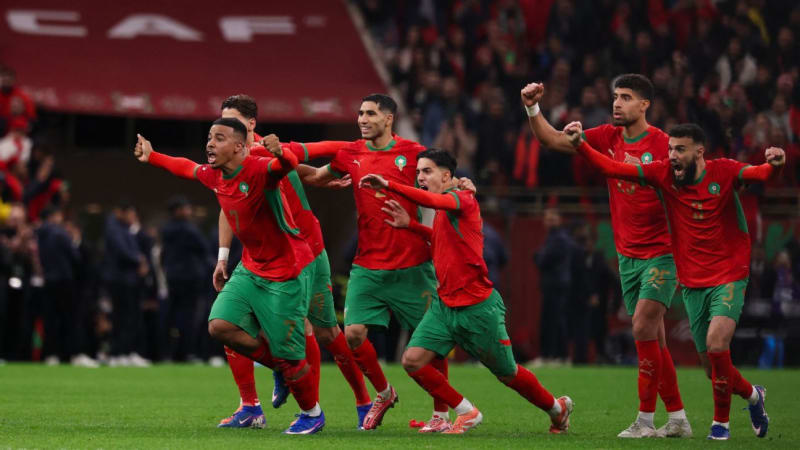
The stakes feel even higher because this team already made history by becoming the first African nation to reach a World Cup semifinal. They entered the tournament on a record winning streak and boast Achraf Hakimi, named Africa's Footballer of the Year in November.
But Regragui's philosophy goes beyond individual talent. He's built a culture grounded in humility and collective effort, blending Morocco's natural flair with discipline and consistency that previous generations lacked.
The Ripple Effect
Morocco's journey mirrors Senegal's own transformation through youth academies like Diambars and Generation Foot. Both nations proved that sustained investment in player development creates lasting excellence, not just fleeting moments of glory.
"We always had players of talent, but their mindset was to be consistent, our mindset must be to be consistent," Regragui explained. "I want to change our mindset—our objective is not just to win this cup and be happy for 50 years, but we need to be present, to enjoy cycles of success."
For Morocco's young players coming through the academy system, Sunday's final validates every training session and sacrifice. It shows African nations can compete with European and South American powers by building strong foundations rather than relying solely on individual brilliance.
Whether Morocco wins or loses, their two-decade commitment to youth development has already transformed them into a consistent force—exactly what King Mohammed VI envisioned when he launched this journey.
More Images

Based on reporting by Google: world cup victory
This story was written by BrightWire based on verified news reports.
Spread the positivity!
Share this good news with someone who needs it