Morocco's Dams Fill 70% Higher After Weeks of Rainfall
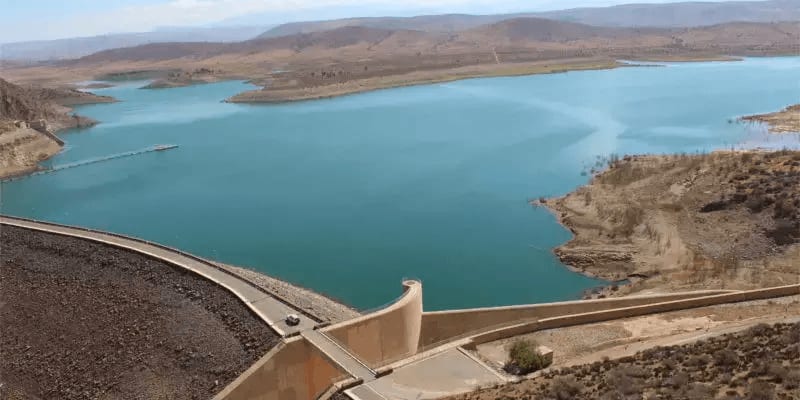
Morocco's water reserves have jumped nearly 70% in just weeks, reaching levels not seen in months. After years of drought stress, four major dams now stand at full capacity.
Morocco's dams are filling again after weeks of steady rainfall brought the country's water reserves to their highest levels in months.
National water storage now exceeds 8 billion cubic meters, a dramatic increase of nearly 3.3 billion cubic meters since January. The country's dams average 48.1% full, offering real relief after successive dry seasons tested a nation facing long-term water stress.
The gains appear strongest in the northern Loukkos basin, where four dams reached 100% capacity this season. Oued El Makhazine dam, which holds more than 672 million cubic meters, stands completely full compared to just 73% at this time last year.
Nakhla dam tells an even more striking story. The regional water transfer hub sat at 46% last year but now operates at full capacity. Nearby, both Chefchaouen dam and Cherif Al Idrissi dam followed the same path, jumping from around 82% to completely full.
In eastern Morocco, the Hassan II dam on Oued Za also reached 100% after recent inflows. Individual dams across the country recorded impressive gains, with Youssef Ben Tachfine dam in Tiznit province adding 16.9 million cubic meters and Al Massira dam in Settat receiving 16.5 million cubic meters.
Even dams with lower overall levels show meaningful progress. Al Massira's filling rate remains at just 9.4%, but the recent inflows mark a turning point. Bin El Ouidane dam in Azilal now sits at 28% after adding 11.5 million cubic meters.
The Ripple Effect
Higher dam levels mean more than just numbers on a government dashboard. These reserves directly support drinking water for cities, irrigation for farms, and water for industry across Morocco.
The surface water gains also help recharge underground aquifers that farming communities and urban areas depend on year-round. In a region where climate change intensifies water scarcity, this seasonal rebound offers breathing room for both people and agriculture.
Local officials monitoring the Maa Dialna platform can now plan with greater confidence for the months ahead. The data shows water security improving across multiple basins, from the Atlantic coast to the interior highlands.
Morocco still faces structural water challenges that single-season rainfall cannot erase, but these gains demonstrate how quickly nature can shift the balance when conditions align.
Based on reporting by Morocco World News
This story was written by BrightWire based on verified news reports.
Spread the positivity!
Share this good news with someone who needs it