Morocco's Sebou Basin Fills to 74% After Record Rainfall
After years of water stress, Morocco's vital Sebou Basin has surged to 4.8 billion cubic meters—74% of total capacity—thanks to exceptional rains that exceeded annual averages by 56%. The dramatic recovery is now helping thousands of farmers and industries that depend on this lifeline river system.
Morocco's largest river basin just got a massive drink of water, and it's breathing new life into a region that desperately needed it.
The Sebou Basin, stretching across nearly 40,000 square kilometers in northern Morocco, has climbed to over 4.8 billion cubic meters of water storage. That's 74% of its total 6.5 billion cubic meter capacity, a remarkable turnaround for a system that was recently struggling under severe water stress.
Bouchaib Makran, regional representative of the Sebou river basin agency in Kenitra, called this season "exceptional." Rainfall levels soared 56% above the usual annual average, pouring over 2.6 billion cubic meters into the basin's 11 large dams, 51 small dams, and one lake.
The timing couldn't be better. The Sebou River serves as the backbone for agricultural and industrial activities across the region, supporting communities that depend on reliable water access for their livelihoods and daily needs.
The Ripple Effect
This water abundance is already making waves beyond just filled reservoirs. Farmers who faced uncertain growing seasons now have the irrigation they need. Industries that power Morocco's economy can operate with confidence. Communities that rationed water can breathe easier.
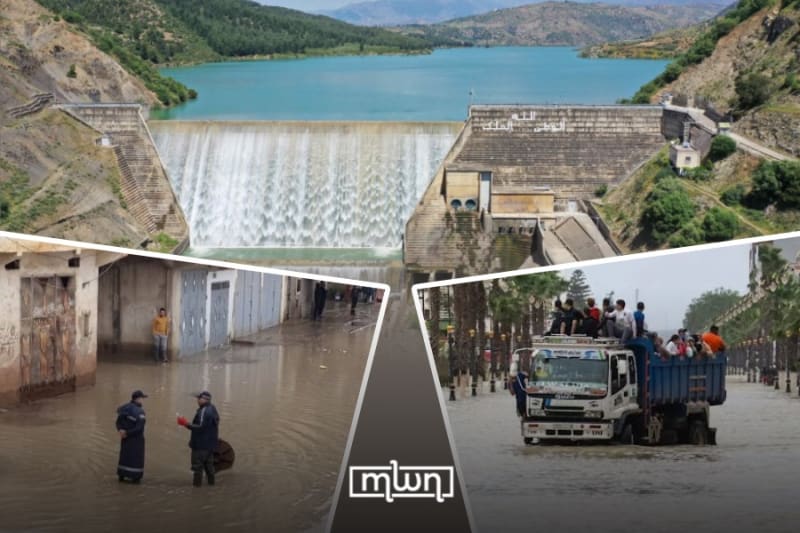
Basin officials are now managing this welcome problem carefully. They're making gradual, controlled releases from the Al Wahda dam to protect infrastructure and keep downstream communities safe from potential flooding.
Local authorities in Sidi Kacem have launched proactive evacuation operations in vulnerable areas like Douar Ait Daoud, prioritizing human safety as water levels rise. In Ksar El Kebir, where extreme weather hit hardest, schools temporarily closed to keep students safe during the adjustment period.
These short-term disruptions reflect responsible water management. After years of scarcity, officials are taking every precaution to ensure this abundance becomes a long-term blessing rather than an immediate crisis.
The Sebou Basin's recovery shows how nature can bounce back when conditions align. For a region that knows the ache of empty reservoirs, watching water levels climb toward capacity feels like hope refilling alongside the dams.
Based on reporting by Morocco World News
This story was written by BrightWire based on verified news reports.
Spread the positivity!
Share this good news with someone who needs it