Mosquitoes Help Scientists Find 70 Endangered Species
Australian researchers turned bloodsucking mosquitoes into conservation heroes by using their DNA-filled blood meals to track elusive wildlife. In just two nights, they found twice as many animals as six weeks of traditional camera traps.
Scientists in Australia just figured out how to make mosquitoes useful, and it might save dozens of endangered animals from extinction.
Researchers at Macquarie University discovered they could analyze DNA from mosquito blood meals to identify which animals live in a region. When they tested the method in Kakadu National Park, they detected 70 bird and mammal species in just two nights, including 19 different mammals.
The results shocked the team. Traditional camera traps running for six weeks only found half as many mammal species as the mosquitoes did in 48 hours.
Among the discoveries was the white-throated grasswren, a bird so rare and elusive that surveys had only spotted it once in 20 years. The mosquito method also detected threatened ghost bats and spectacled hare-wallabies without disturbing a single animal.
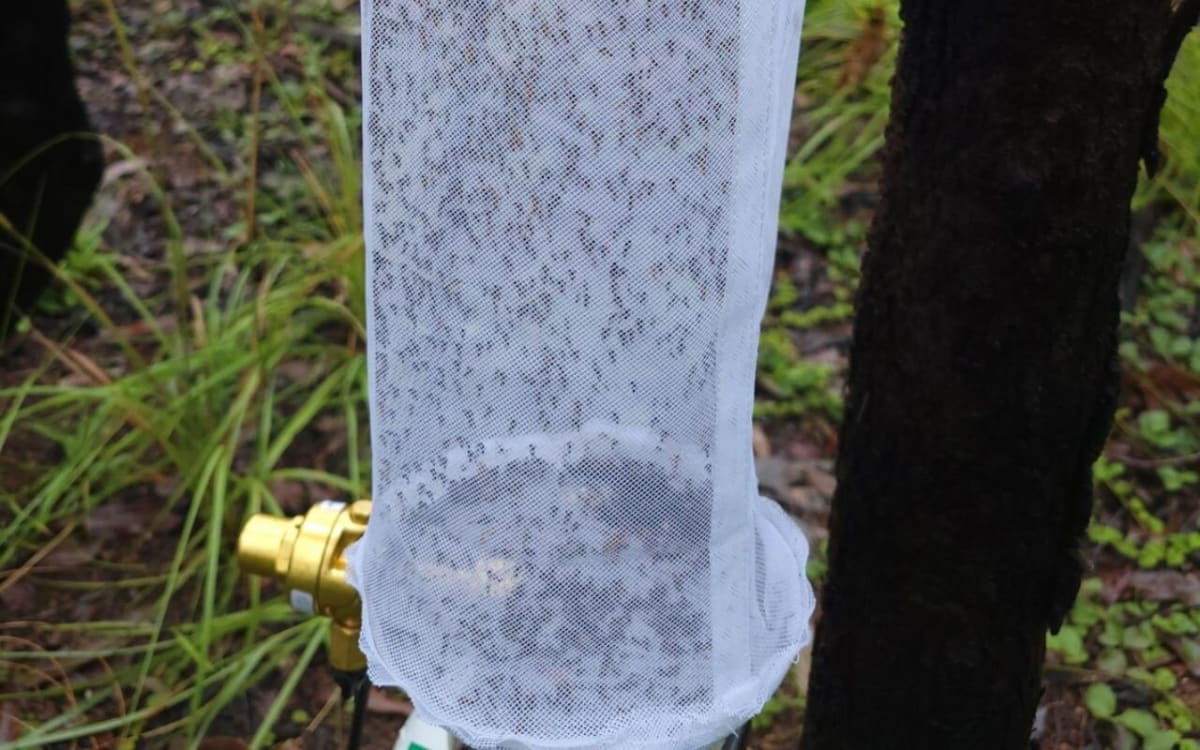
Here's how it works: Female mosquitoes bite animals and drink their blood. Scientists trap the mosquitoes and extract tiny traces of DNA from their recent meals. That DNA reveals exactly which species are living nearby.
Professor Anthony Chariton, who founded Macquarie's Environmental eDNA and Biomonitoring Lab, calls mosquitoes "thousands of tiny drones flying around every night collecting samples for us." Because mosquitoes stay close to where they feed and digest blood quickly, the DNA provides precise location data about wildlife.
The Ripple Effect
Australia has one of the highest mammal extinction rates in the world, losing numerous species over recent decades. Traditional monitoring is expensive, time-consuming, and often requires capturing animals, which causes stress and sometimes injury.
This breakthrough could redirect conservation funding from expensive surveys to actual habitat protection and invasive species control. The NSW Government is already using the method to search for rare mammals in remote regions.
Dr. Christine Chivas says the innovation addresses conservation's biggest challenge. "Unless you know where an animal is and where it's distributed, you can't protect it," she explains. Spending weeks in remote areas sometimes yields no findings at all.
The technique costs less, works faster, and covers more species than any existing monitoring method. It also provides crucial data about how ecosystems are changing over time.
With climate change and habitat loss threatening wildlife globally, the researchers believe mosquito DNA monitoring could transform how we protect endangered species. What was once a frustrating pest just became conservation's unlikely hero.
More Images

Based on reporting by Google: species saved endangered
This story was written by BrightWire based on verified news reports.
Spread the positivity!
Share this good news with someone who needs it