
Most Estranged Parents and Children Eventually Reconnect
New research reveals that up to 81% of estranged parents and adult children eventually reconcile, offering hope to millions of families. A psychology researcher shares the science-backed steps that make healing possible.
Family estrangement feels permanent, but new research suggests most fractured relationships eventually heal.
A 2025 study found that 81% of adult children estranged from their mothers later reconnected, along with 69% of those separated from fathers. With 38% of American adults currently estranged from at least one close family member, that's millions of potential reunions waiting to happen.
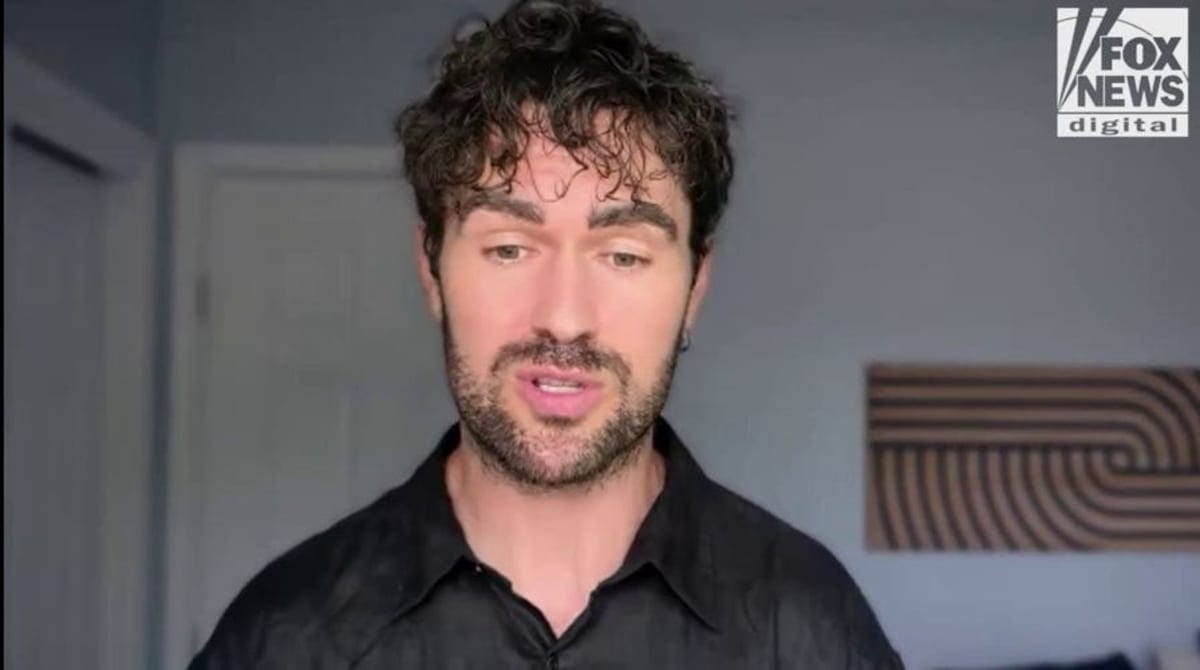
Dr. Richard Blake, a Texas-based psychology researcher, says the key to reconciliation isn't just time. It's willingness to change and listen.
"Adult children will reach out, and if they see nothing has changed, they'll estrange again," Blake explains. Many parent-child relationships cycle through periods of connection and disconnection before finding stable ground.
Blake's first recommendation might surprise people: don't rush to reconcile. Before reaching out, get yourself stable with healthy habits, good mental health practices, and a strong community. Estrangement carries a heavy emotional toll, linked to depression and reduced sense of purpose in older parents.
When communication does open up, the most powerful tool is validation. Blake recommends repeating back what the other person said and acknowledging their experience before offering your own perspective. "I can see why you felt that way" goes further than immediate defense or correction.
Why This Inspires
The research challenges our assumptions about permanent family rifts. These aren't just statistics—they represent real parents and children finding their way back to each other through patience and growth.
Blake emphasizes pausing before reacting to heated language or harsh labels. When someone uses loaded terms, take time to cool down, then ask them to describe specific behaviors rather than sweeping judgments. "When you criticize my weight, I left dinner feeling upset" opens dialogue. Labels like "toxic" or "narcissist" close it down.
Among parents estranged from their children, 70% said they would consider reconciling. That willingness, combined with concrete changes in behavior and communication patterns, creates genuine opportunities for healing.
The path back isn't guaranteed, and it's rarely quick. But the data shows it's possible more often than people think. Families can rebuild when both sides focus on specific behaviors, validate each other's experiences, and commit to doing things differently.
Most estrangements end not with a dramatic reunion, but with small steps toward understanding and the courage to try again.
More Images



Based on reporting by Google News - Reconciliation
This story was written by BrightWire based on verified news reports.
Spread the positivity!
Share this good news with someone who needs it