Mount Fuji Rescue Plan Aims to Save Lives Year-Round
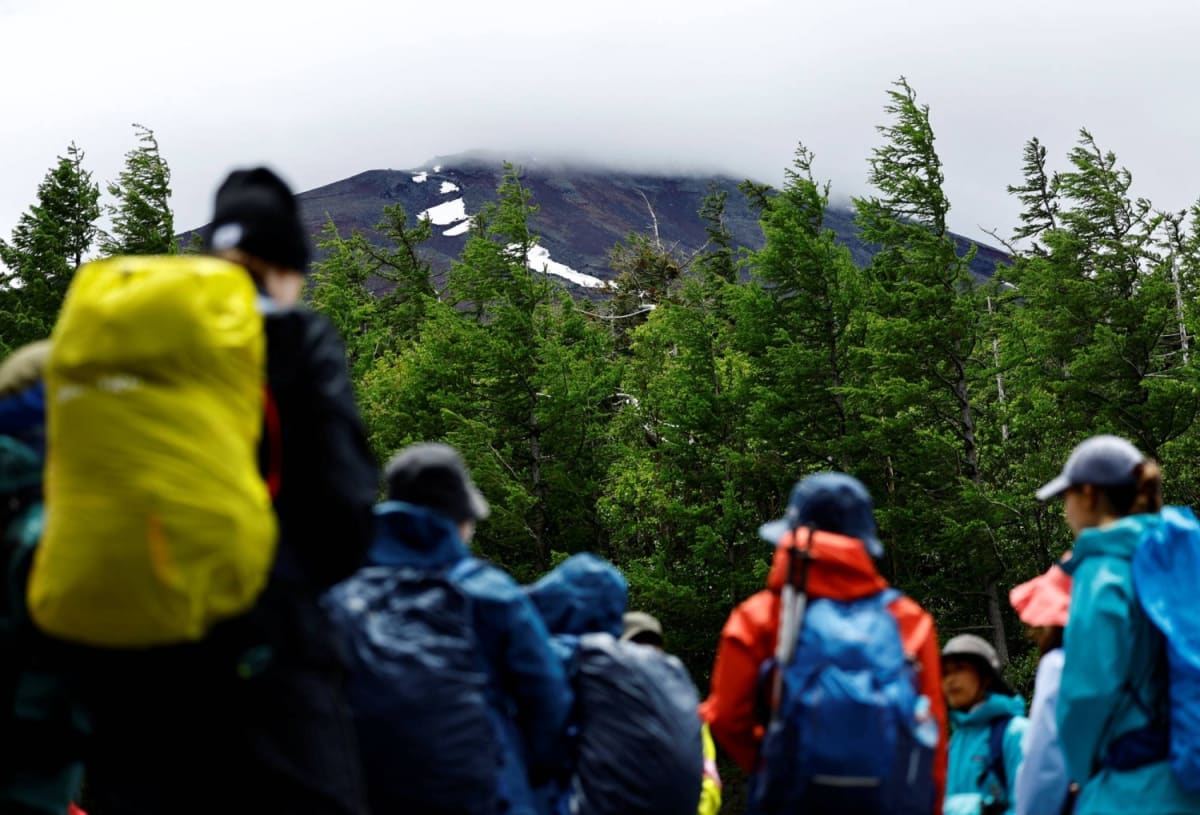
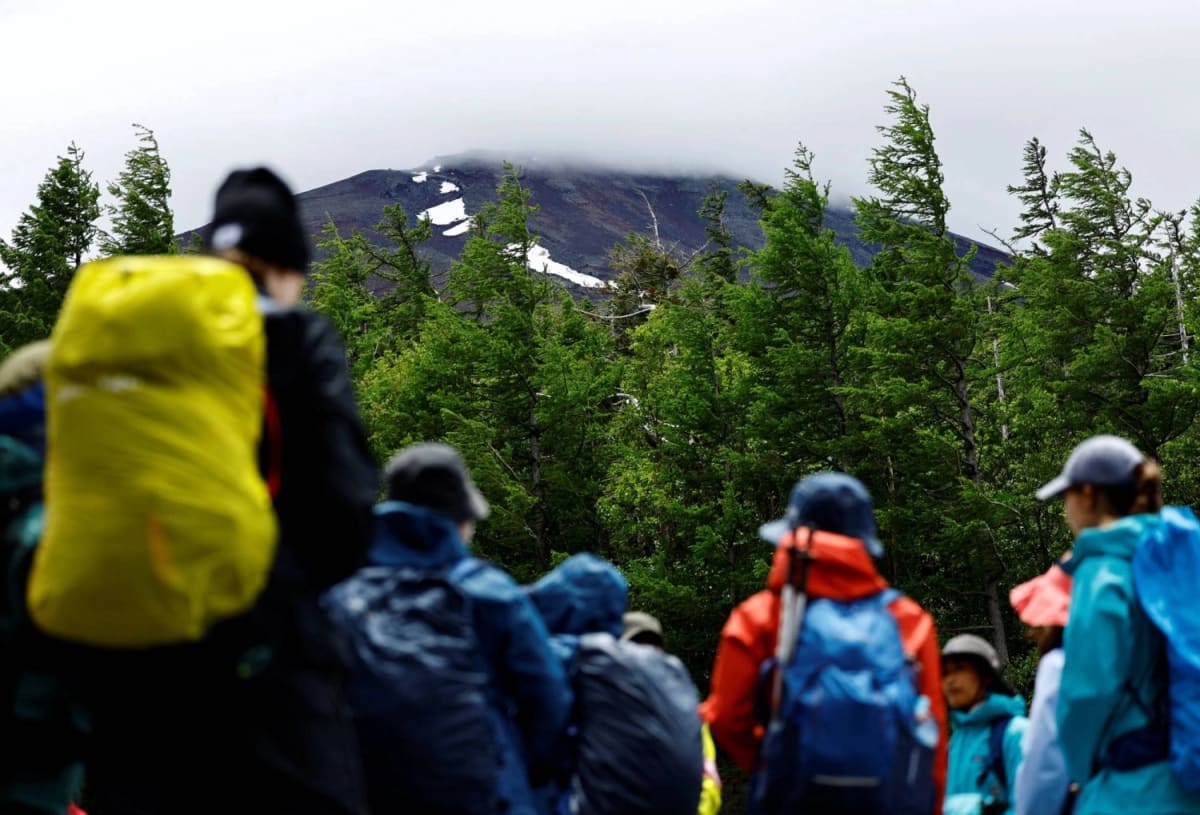
Japan's Yamanashi Prefecture is introducing a bold new system to protect climbers and rescue workers on Mount Fuji. Starting in 2027, off-season climbers will submit safety plans and those who climb recklessly will pay for helicopter rescues.
Japan is taking a compassionate approach to keeping adventurers safe on Mount Fuji while protecting the brave rescue workers who risk their lives to save them.
Yamanashi Prefecture announced a new policy Monday that requires climbers attempting Mount Fuji during the dangerous off-season to submit detailed climbing plans starting in 2027. Local authorities will review these plans and suggest safety improvements when routes, equipment, or timing seem risky.
The prefecture will charge climbers who need helicopter rescue if they skipped the planning process entirely or ignored official safety recommendations. The fee covers fuel costs at about $52 for every five minutes of flight time, though officials may add personnel expenses later.
Governor Kotaro Nagasaki explained the human cost behind the policy. "I want people to think about those who have to go and rescue them," he said at Monday's press conference. "Please spare a thought for those who are called out to carry out rescues at the risk of their own lives, and for the worry that this causes their families."
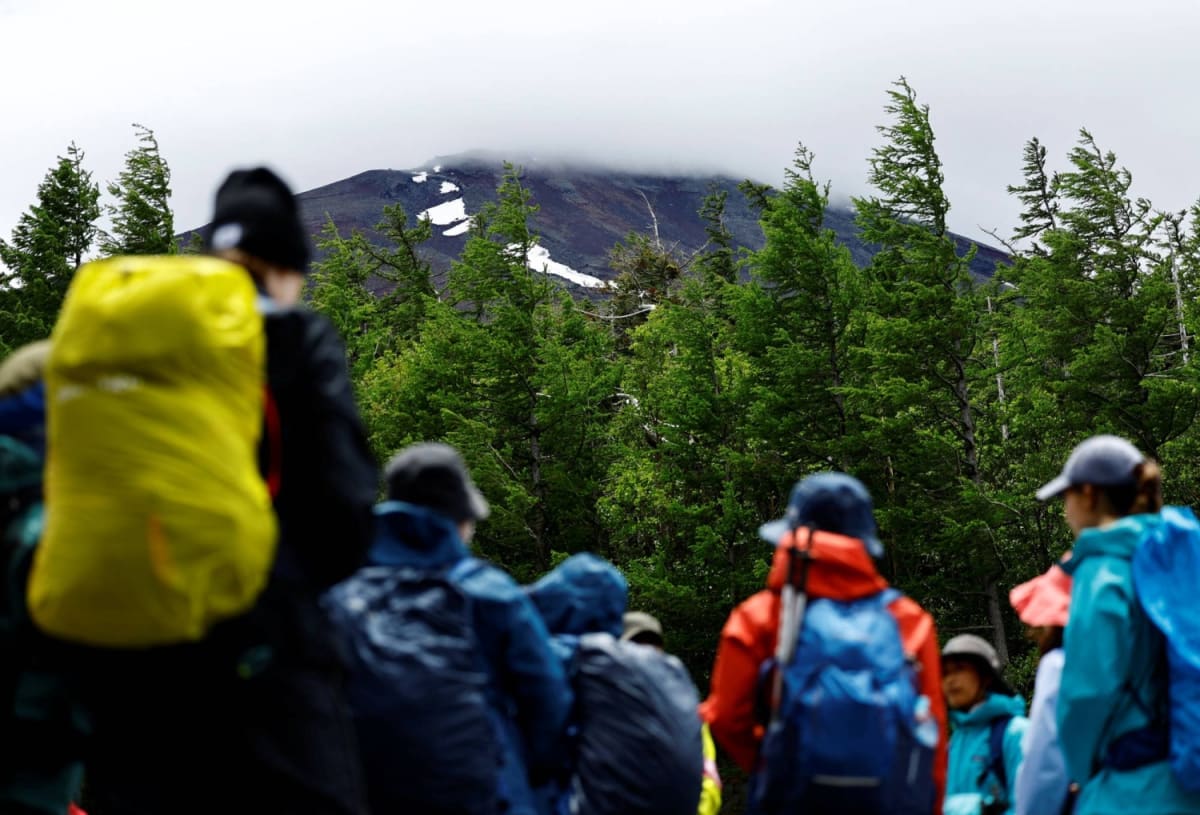
The sacred mountain's official climbing season runs only from July through early September when weather conditions are safest and support facilities operate. Outside those months, trails close, mountain huts shut down, and conditions become treacherous.
The numbers tell a sobering story. Twenty-one climbing accidents and four deaths occurred on Yamanashi's side of Mount Fuji over seven years through 2025. One Chinese university student needed rescue twice within days this past April, highlighting how unprepared climbers put themselves and others at risk.
Yamanashi joins other Japanese regions prioritizing safety over access. Saitama Prefecture pioneered similar rescue fees in 2018 for particularly dangerous mountain areas, also charging based on helicopter fuel costs.
The prefecture plans a thoughtful rollout with stronger trail barriers, warning sensors for climbers, and targeted online ads for international visitors explaining off-season dangers. They'll spend the next two years revising ordinances and running public awareness campaigns before implementation in September 2027.
The Bright Side
This policy creates a win for everyone involved. Serious mountaineers who plan responsibly get the freedom to climb year-round with proper preparation. Rescue workers gain protection from unnecessary callouts during dangerous conditions. And the fee system creates accountability without blocking access entirely.
Most importantly, the advance planning requirement means officials can offer safety guidance before climbers reach trouble. Many accidents could be prevented simply by having experienced authorities review routes and equipment beforehand.
Japan is showing how to balance adventure with responsibility, protecting both the people who seek challenges and those who answer the call when things go wrong.
More Images


Based on reporting by Japan Times
This story was written by BrightWire based on verified news reports.
Spread the positivity!
Share this good news with someone who needs it