Mount Gambier Pushes Rail Return After Qantas Exit
When Qantas suspended flights to South Australia's second-largest city, residents saw an opportunity to bring back something better: sustainable rail transport. Local leaders are building momentum for a rail revival that could slash freight costs, ease road pressure, and reconnect communities.
Mount Gambier is turning a transportation setback into a chance to dream bigger.
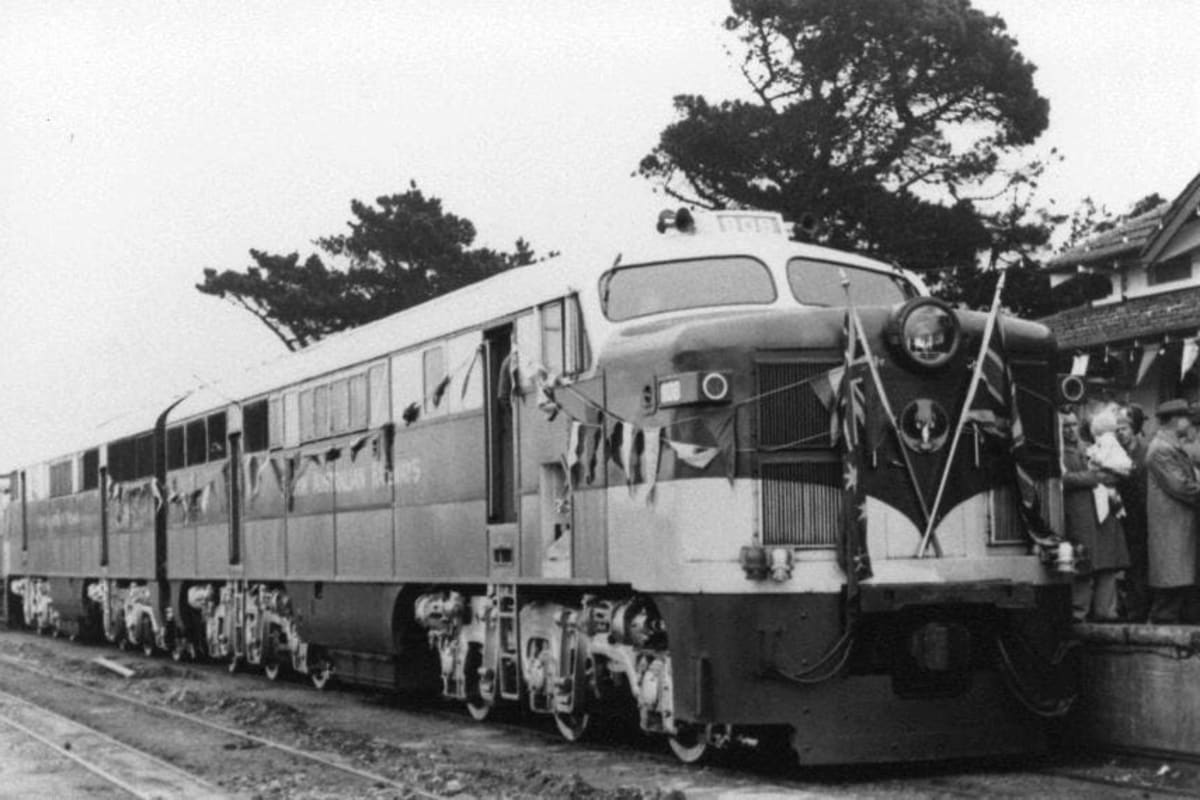
After Qantas announced it would suspend flights to the South Australian city in May, citing low demand and rising fuel costs, locals aren't just looking for a replacement. They're calling for the return of rail service that disappeared in the 1990s, and this time the numbers might actually add up.
Alan Richardson, former deputy chair of Regional Development Australia Limestone Coast, says expanding timber factories in the region have changed the equation. New products heading to domestic markets need reliable, cost-effective transport out of the city.
"The timber industry here really makes a strong case for rail freight into Mount Gambier," Richardson explained. With trucking companies struggling to find qualified drivers and road safety concerns mounting, rail offers a solution that addresses multiple challenges at once.
The environmental benefits sweeten the deal. Trains burn far less fuel per ton of cargo than trucks, meaning fewer emissions and lower costs as fuel prices continue climbing.
The Ripple Effect
What started as a conversation about moving timber could transform how the entire Limestone Coast connects to Adelaide. Independent member for Mount Gambier Travis Fatchen supports the vision, even acknowledging it would require millions of dollars and cooperation across all levels of government.
The impact on local roads alone makes the investment worth considering. Residents have long complained about deteriorating road conditions from constant heavy truck traffic. Shifting freight to rail would ease that daily beating while making highways safer for everyone.
Transport expert Geoffrey Clifton from the University of Sydney points to rail revivals in North America, the United Kingdom, and Europe as proof that regional rail can work. The key is building freight demand first, then adding passenger service once the infrastructure is running.
Richardson agrees that passenger rail would be "icing on the cake" rather than the main justification. But once those tracks are operational again, commuters could benefit alongside the timber industry.
The state government is already reviewing regional transport services for Mount Gambier, looking at gaps in how residents access health, education, and employment. Coach services might expand first to test demand, but the long-term vision is taking shape.
Yes, rebuilding rail corridors that have been converted to walking trails would take five to ten years and substantial investment. But with fuel costs rising and regional towns looking to grow, the appetite for sustainable infrastructure is growing too.
Sometimes losing one connection helps you realize what you really need.
More Images


Based on reporting by ABC Australia
This story was written by BrightWire based on verified news reports.
Spread the positivity!
Share this good news with someone who needs it