Mouth Patch Detects Gum Disease Before Symptoms Start
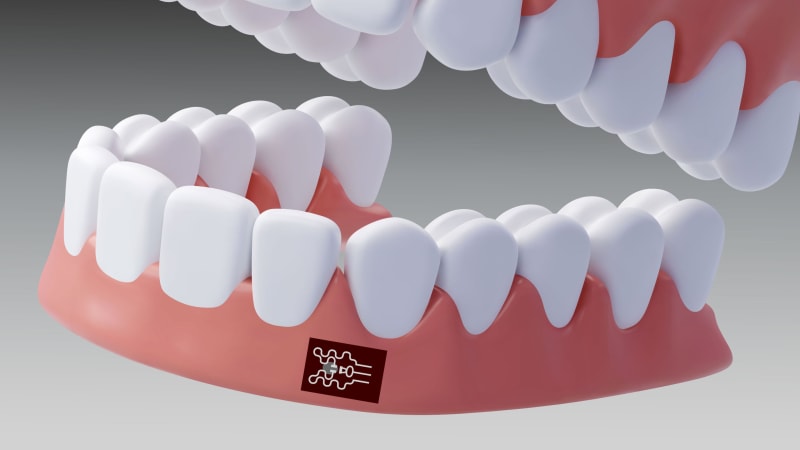
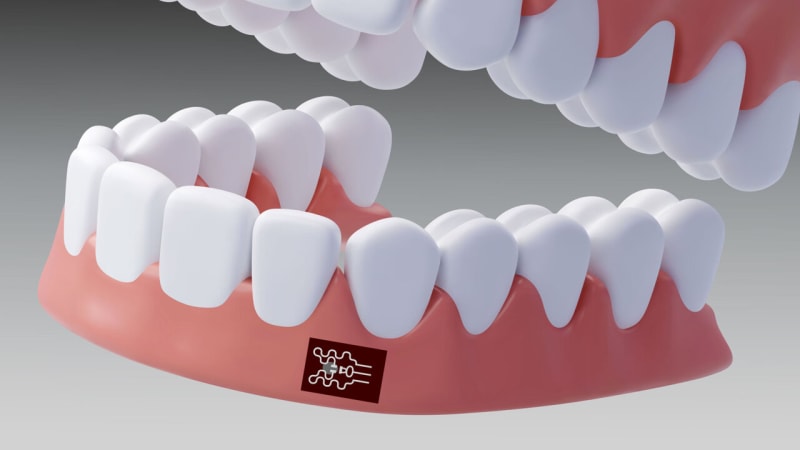
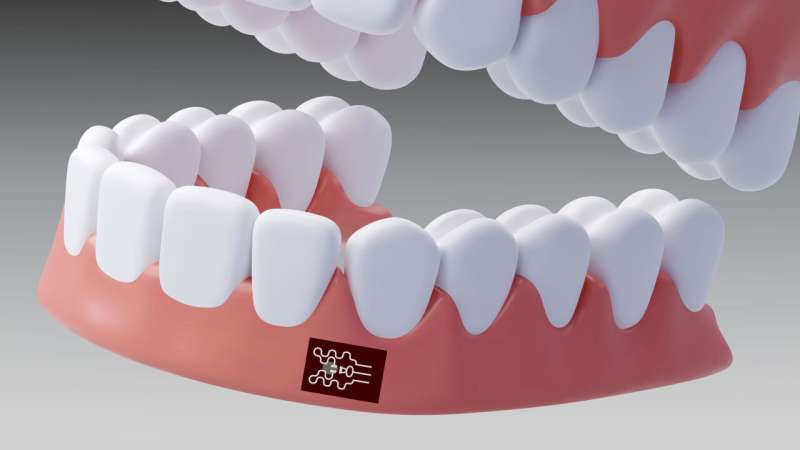
Scientists created a tiny patch that sticks inside your mouth and catches inflammation before it becomes gum disease. The sensor is so sensitive it could transform dental care from treating problems to preventing them entirely.
Imagine catching gum disease weeks before your dentist could spot it, all from a comfortable patch inside your mouth. Researchers at Texas A&M University just made that future possible with a wearable biosensor that detects inflammation at incredibly early stages.
The patch addresses a frustrating reality in dental care. By the time a dentist sees gum disease during a routine exam, tissue damage has often already begun. This new approach flips the script from reactive treatment to proactive prevention.
Dr. Chenglin Wu and his team engineered a multi-layer sensor that works even while you're talking and eating. The patch stays attached to wet mouth tissue and hunts for a specific protein called tumor necrosis factor-alpha, which signals inflammation is starting.
The sensitivity is remarkable. The sensor can detect just 18.2 femtograms per milliliter. To put that in perspective, one quadrillion femtograms equals just one gram. Dr. Wu explains it another way: while a patient with a viral infection might show symptoms at 10 million virus copies per milliliter, this sensor could detect just 100 to 150.
The design is clever on multiple levels. A special hydrogel layer filters out unwanted molecules through tiny openings, like a microscopic mesh. The sensing layer itself uses graphene and a material called MXene that changes its electrical charge when the target protein attaches, creating a measurable signal.
Dr. Shaoting Lin from Michigan State University helped develop the adhesive technology. He notes that keeping the patch firmly attached is crucial for accurate readings since mouth tissues move constantly. The strong bond means the sensor delivers reliable results regardless of jaw movement or speech.
The team tested the concept with guinea pigs, chosen because their oral inflammation responses mirror humans. Dr. Jeffrey Cirillo from Texas A&M's College of Medicine guided the biological testing, confirming the patch successfully detected early inflammation that traditional exams would miss.
Why This Inspires
Oral health connects to overall wellness in ways we're only beginning to understand. Untreated gum disease doesn't just cause tooth loss. It can contribute to heart disease, diabetes complications, and other serious health issues.
This patch could make advanced health monitoring as simple as wearing a Band-Aid. The technology isn't limited to mouths or gum disease either. The same approach could adapt to detect different biomarkers in other parts of the body, opening doors to early detection for various conditions.
The next steps involve clinical trials in animals, then eventually humans. The researchers are already exploring how to customize the hydrogel layers to target different molecules for various diseases.
What started as an engineering challenge could soon give millions of people the gift of prevention over treatment, catching problems when they're easiest to stop.
More Images
Based on reporting by Medical Xpress
This story was written by BrightWire based on verified news reports.
Spread the positivity!
Share this good news with someone who needs it