Mozambique Doubles Elephant Population in 7 Years
Mozambique's elephant population has soared from 9,114 to 21,700 in just seven years, reversing decades of devastating decline. The stunning comeback shows what's possible when governments, communities, and conservation groups work together.
After years of watching their elephant herds disappear to poaching, Mozambique just proved that wildlife populations can bounce back with the right approach.
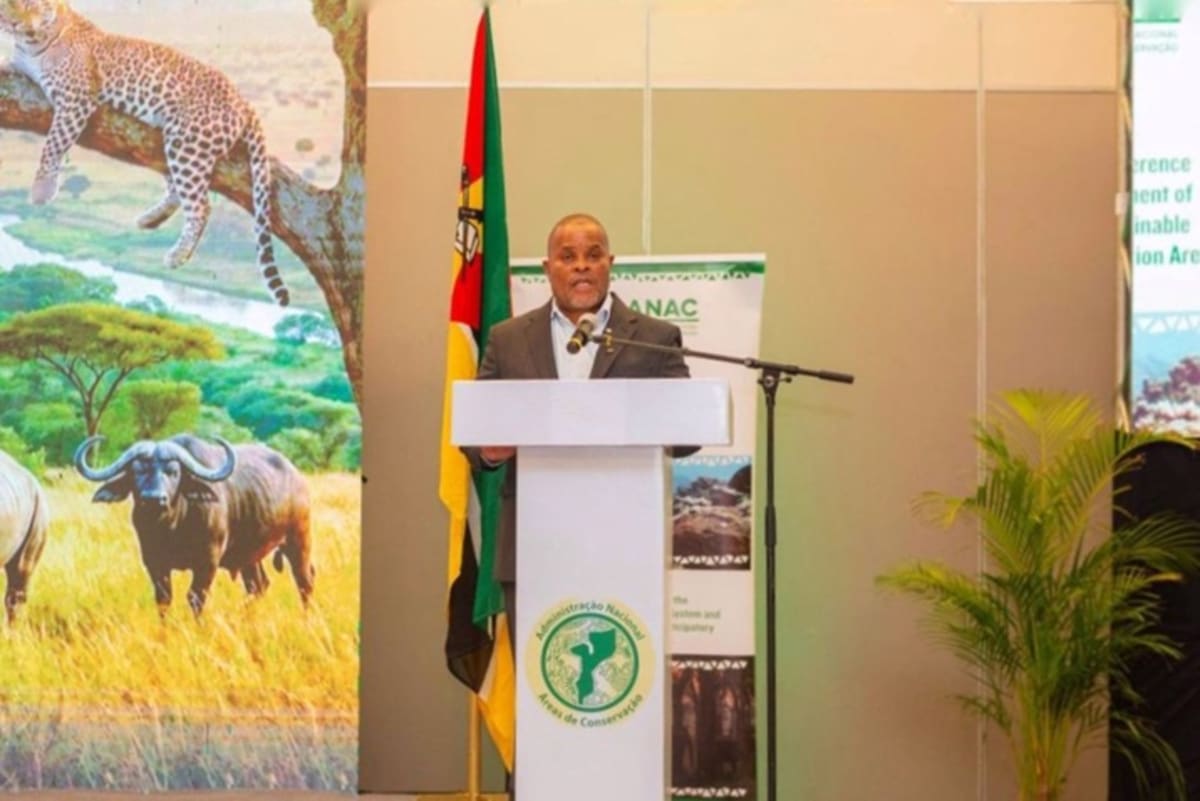
The country's elephant population has more than doubled since 2018, jumping from 9,114 animals to approximately 21,700 today. Agriculture Minister Roberto Albino shared the remarkable news at a ceremony marking 15 years of the National Administration of Conservation Areas.
The turnaround marks a dramatic reversal from the dark days of 2014, when Mozambique's elephant numbers had crashed to just 10,800 from over 20,000 in 2008. Poaching had driven the species toward a crisis point that seemed almost impossible to stop.
But Mozambique didn't give up. The government strengthened anti-poaching patrols, brought local communities into conservation efforts, launched wildlife reintroduction programs, and shared financial benefits from conservation areas with the people living nearby.
The 2025 census revealed even more good news beyond elephants. Buffalo, zebras, and hippos all showed population growth or remained stable across the country's protected areas. The number of elephant carcasses found has dropped significantly, proving that the crackdown on poaching is working.
The Ripple Effect
This conservation win extends far beyond Mozambique's borders. For the first time ever, southern Mozambique now hosts more elephants than the central and northern regions, thanks to transboundary conservation areas that allow herds to move safely between countries.
The success story demonstrates the power of collaboration between government agencies, international partners, private sector groups, and local communities who live alongside wildlife. When everyone has a stake in conservation, animals thrive.
Minister Albino noted that northern region numbers might actually be even higher than reported, since security concerns prevented census teams from reaching some areas. The actual recovery could be even more impressive than the data shows.
The government is now planning a controlled wildlife extraction program at Maputo National Park to manage healthy populations and prevent ecological imbalances. The program will start with a pilot project before moving into a sustainable wildlife economics phase.
Challenges remain, including growing human pressure on conservation areas from settlement expansion, illegal logging, and mining. But Mozambique has shown that even severely depleted wildlife populations can recover when protection becomes a priority.
From near collapse to thriving herds in less than a decade proves that conservation efforts really do work.
Based on reporting by Google News - Wildlife Recovery
This story was written by BrightWire based on verified news reports.
Spread the positivity!
Share this good news with someone who needs it