Mozambique Elephant Population Doubles in 7 Years
Mozambique's elephant population has surged from 9,114 to 21,700 animals in just seven years, reversing decades of devastating decline. Stronger anti-poaching efforts and community involvement are bringing herds back from the brink.
After years of heartbreaking losses to poaching, Mozambique's elephants are making a stunning comeback that conservationists once thought impossible.
The country's 2025 wildlife census revealed that elephant numbers have more than doubled since 2018, climbing from 9,114 to approximately 21,700 animals. This marks a dramatic reversal from the dark years between 2008 and 2018, when poaching slashed the population by more than half.
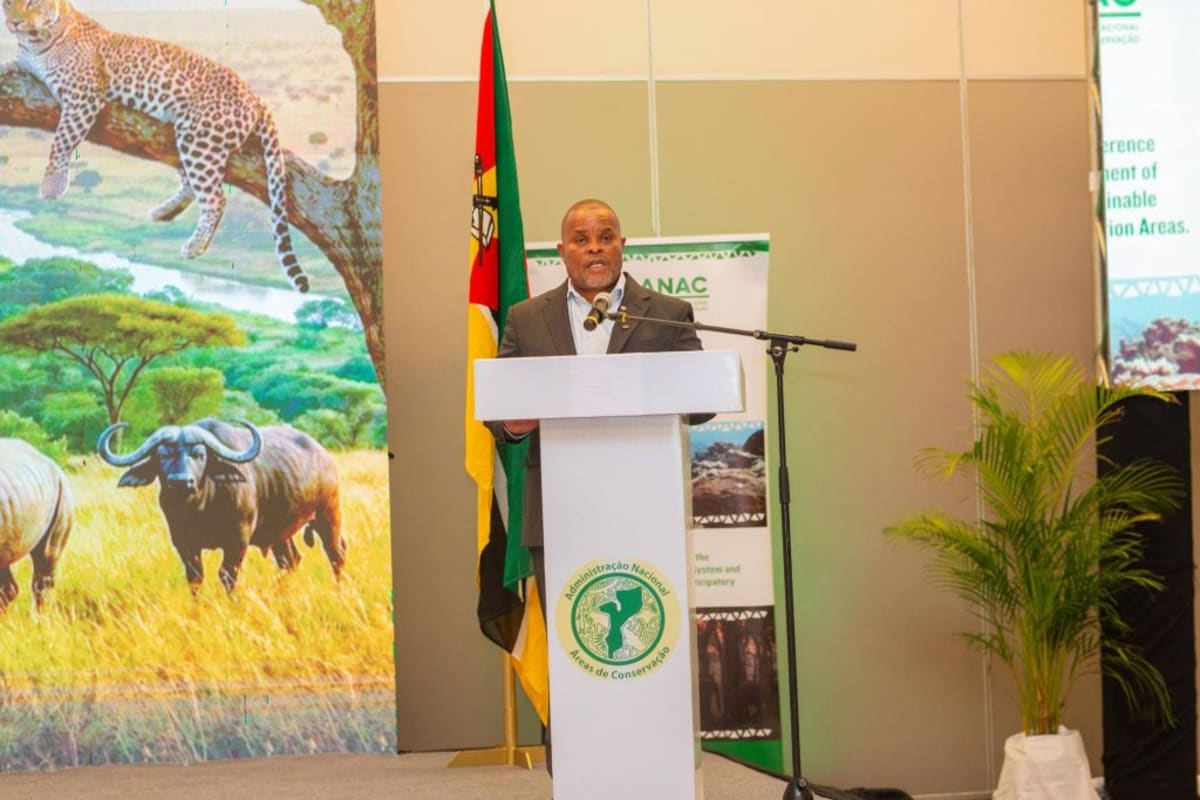
Agriculture Minister Roberto Albino announced the breakthrough results at a ceremony celebrating 15 years of the National Administration of Conservation Areas. He credited the recovery to a combination of strengthened anti-poaching patrols, wildlife reintroduction programs, and a game-changing decision to involve local communities in conservation efforts.
The numbers tell a powerful story of collaboration. Buffalo, zebras, and hippos are also showing signs of growth or stability across protected areas. Even more encouraging, rangers are finding significantly fewer elephant carcasses, proving that anti-poaching measures are working.
For the first time in recent history, southern Mozambique now hosts more elephants than the central and northern regions. This shift reflects the success of cross-border conservation partnerships that allow herds to move safely between protected areas.
The recovery wasn't achieved by government alone. Private sector partners, area co-managers, and local communities who once saw wildlife as competition now benefit directly from conservation through job opportunities and revenue sharing programs.
The Ripple Effect
This elephant recovery is creating waves far beyond Mozambique's borders. Healthy elephant populations help restore entire ecosystems by spreading seeds, creating water holes, and maintaining the grasslands that countless other species depend on. As herds grow, so does ecotourism potential, bringing sustainable income to communities that once relied on poaching for survival.
The success also proves that even severely depleted wildlife populations can bounce back when communities have reasons to protect rather than exploit them. Other African nations facing similar poaching crises are already studying Mozambique's approach.
Challenges remain, including growing human pressure on conservation areas from settlements, illegal logging, and mining. Officials also acknowledge that security concerns prevented census teams from accessing some northern regions, meaning the total elephant count could be even higher.
To prevent overcrowding in certain parks, the government plans a controlled wildlife management program starting with ecological assessments in Maputo National Park. The goal is maintaining healthy balance rather than allowing any single area to become overpopulated.
From near-extinction to thriving populations in less than a decade, Mozambique's elephants prove that conservation works when everyone has a stake in success.
More Images



Based on reporting by Google News - Wildlife Recovery
This story was written by BrightWire based on verified news reports.
Spread the positivity!
Share this good news with someone who needs it