Mozambique Honey Hunters and Birds Share Secret Dialects
In Mozambique, wild birds and humans have developed regional dialects to communicate while hunting for honey together. This centuries-old partnership reveals how culture shapes cooperation between species.
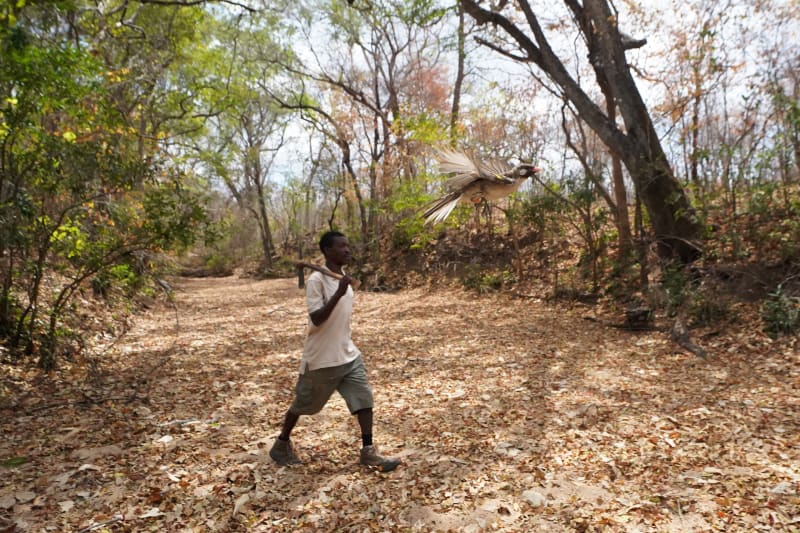
Deep in Mozambique's forests, honey hunters whistle and trill to summon wild birds, who respond with their own calls and lead humans straight to hidden beehives.
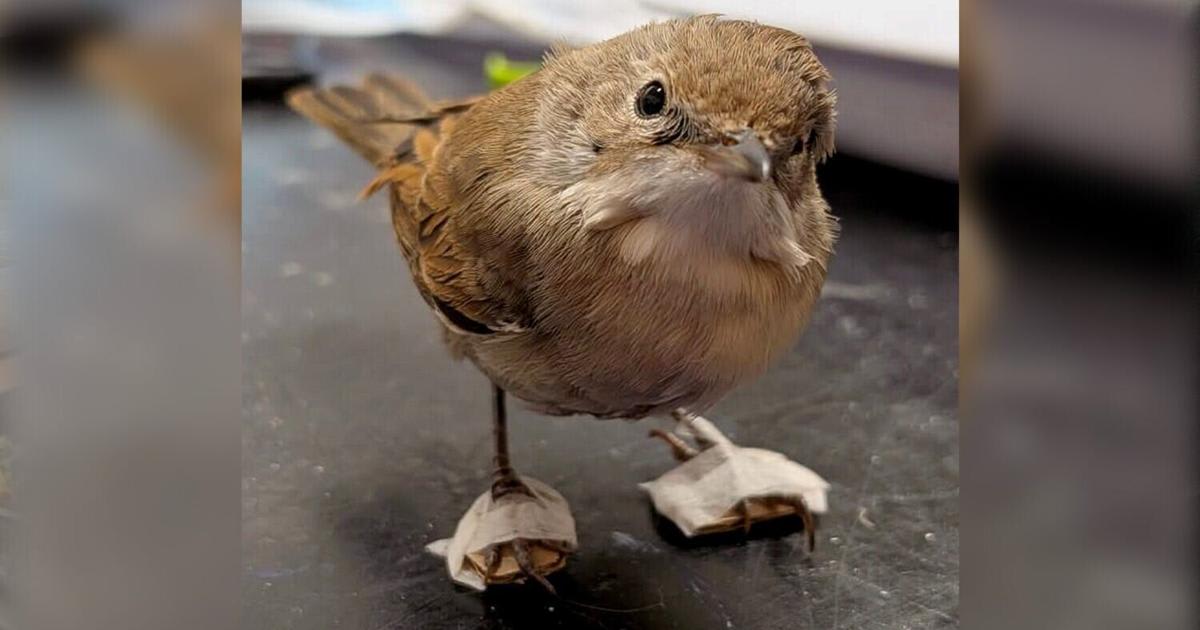
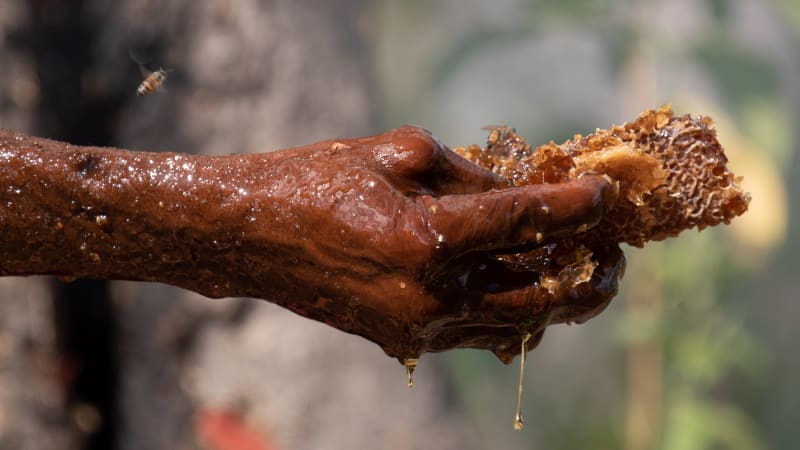
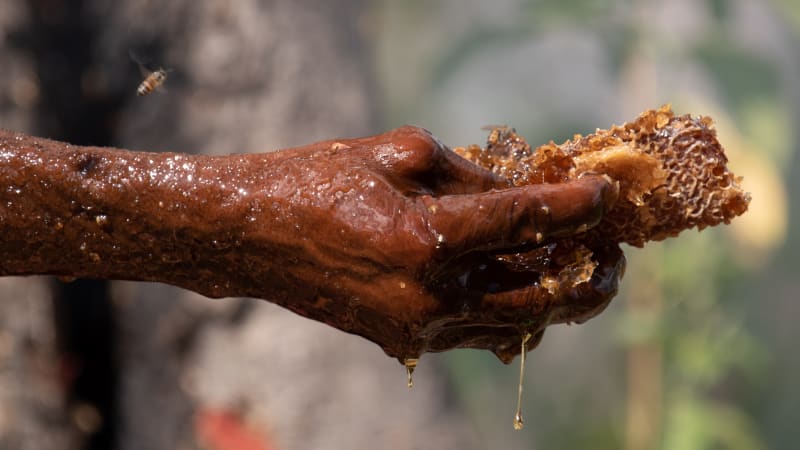
This remarkable partnership between the Yao people and greater honeyguides has existed for hundreds, possibly thousands, of years. The small brown birds guide hunters to bee nests, and in return, they feast on leftover wax and larvae after humans use smoke to calm the bees and harvest the honey.
Researchers recently discovered something extraordinary about this relationship. Honey hunters in different villages use distinct dialects when calling the birds, and the honeyguides recognize and respond to their local human partners.
Jessica van der Wal, a behavioral ecologist at the University of Cape Town, recorded calls from 131 honey hunters across 13 villages in northern Mozambique. Her team found that the trills, grunts, whoops and whistles varied between villages based on distance, not habitat type.
Even more fascinating is what happens when hunters move to new villages. They adopt the local dialect to communicate effectively with the birds there.
"There is one language that they use with the birds, but there are different dialects," van der Wal explained. Think of it like different pronunciations of the same language.
The birds appear to be reinforcing these dialects too. Honeyguides learn the behavior not from their parents but from watching other honeyguides interact with humans. They're brood parasites who lay eggs in other birds' nests, so cultural transmission happens through observation.
By responding more readily to familiar local calls, the birds encourage hunters to maintain consistent signals. This mutual reinforcement keeps dialects stable across generations.
Why This Inspires
This partnership reveals something beautiful about human nature. We're so driven by culture that it shapes even how we communicate with wild, untrained animals.
The relationship benefits both species perfectly. Humans get honey that sustains their livelihoods, while birds access food they couldn't reach alone without getting stung.
It's one of the few documented examples of active human-wildlife cooperation in the world. Both species are teaching, learning, and adapting together.
Van der Wal now leads the Pan-African Honeyguide Research Network, documenting how this partnership varies across the continent. Her team is exploring whether humans and birds are actively influencing each other's cultures over time.
The research shows that meaningful connections between humans and nature run deeper than we imagined, shaped by shared history and mutual benefit across countless generations.
More Images


Based on reporting by Live Science
This story was written by BrightWire based on verified news reports.
Spread the positivity!
Share this good news with someone who needs it