Mozambique Turns Water Crisis Into Jobs and Growth Plan
In one of Africa's most water-rich countries, poor infrastructure was costing 6.7% of GDP yearly. Now a $14.3 billion plan is transforming water systems into engines for jobs and prosperity.
Mozambique has plenty of water but couldn't use it, and the gap was crushing economic growth and keeping millions in poverty.
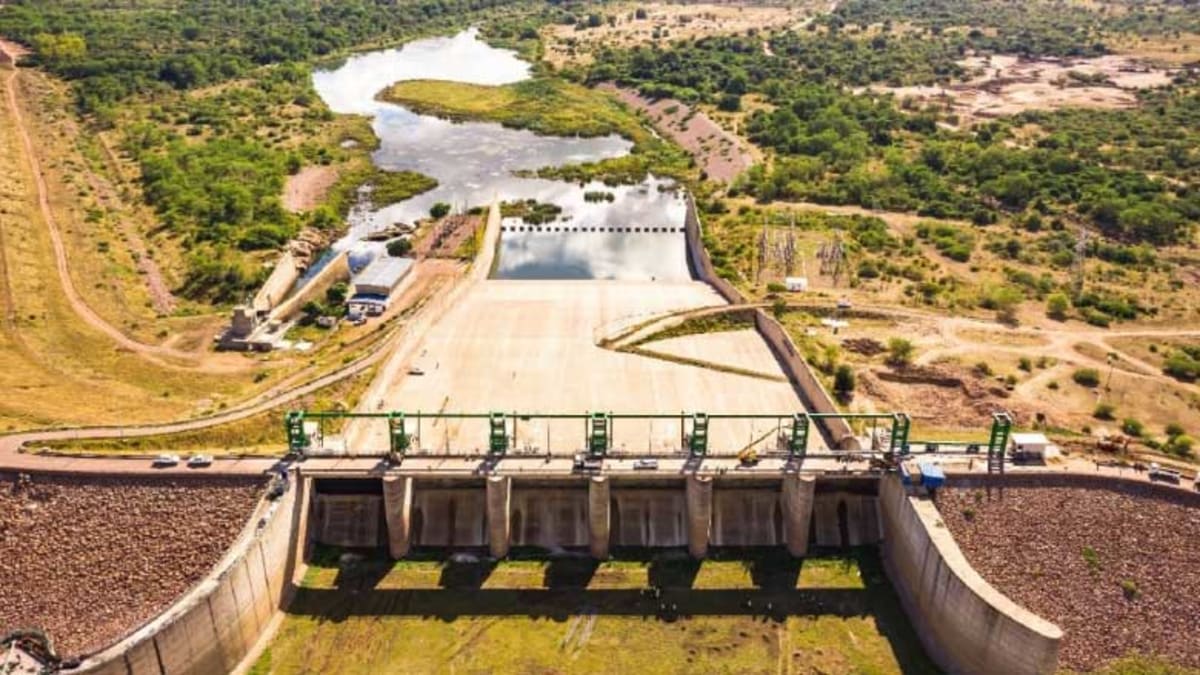
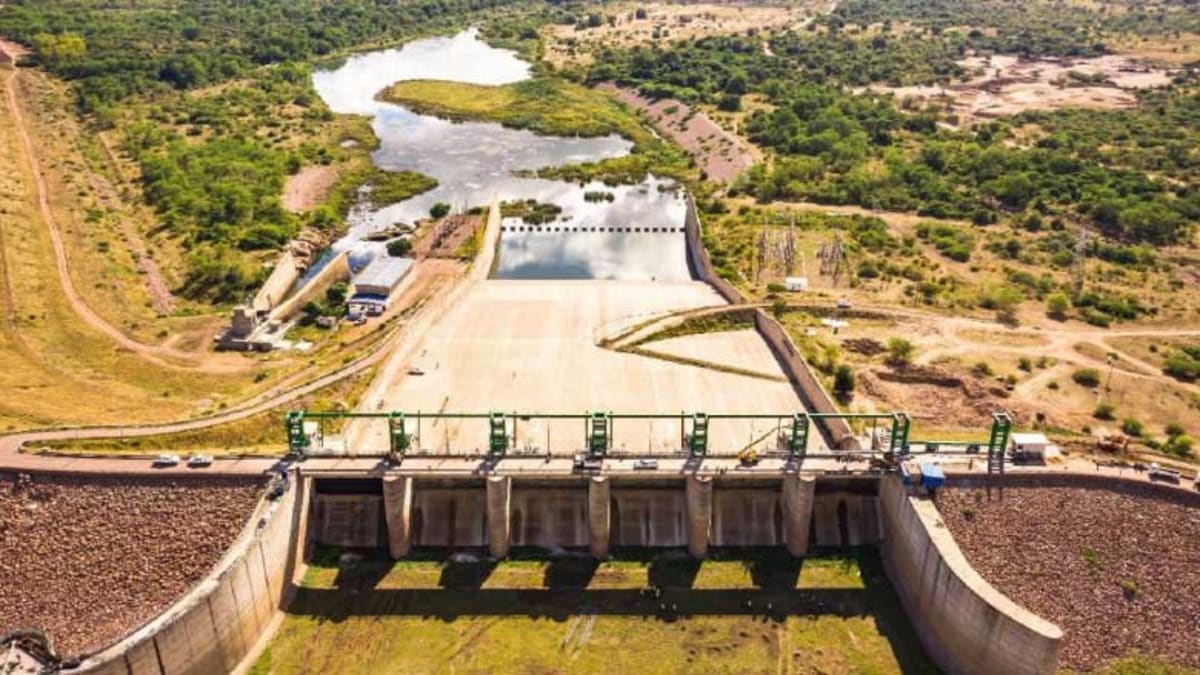
More than half the country's economy depends on water for agriculture, hydropower, and transport. Yet 58% of people face climate risks from floods and droughts because storage and distribution systems can't keep up. The country stores 86% of its water in just one dam, leaving communities vulnerable when disaster strikes.
But new investments are proving water infrastructure can deliver fast, visible wins. When Cyclone Freddy hit in 2023, newly built water systems helped restore service to 115,000 people quickly, speeding recovery and keeping families healthy.
In Nampula and Zambézia provinces, where only 25% of small towns had water coverage, solar-powered systems are bringing clean water to homes while creating local construction and maintenance jobs. Nearly 164,000 students, including 87,600 girls, now have safe school sanitation that keeps them in class and protects their dignity.
The improvements go beyond pipes and pumps. Provincial authorities now get funding directly through a new grant system, improving planning and accountability. Ten new water companies are rolling out across provinces with digital systems to track performance and reduce waste.
The math shows the investment pays off. Every $1 million spent on urban water infrastructure returns $1.2 million in economic benefits. Every dollar in water and sanitation adds $0.82 to GDP.
The Ripple Effect
The transformation is creating opportunities far beyond water taps. Construction projects generate immediate employment in rural areas where jobs are scarce. Better water access frees up time for women and girls who previously walked hours daily to fetch water. Reliable sanitation keeps workers healthy and productive.
President Daniel Chapo recently launched a 10-year Water Security Compact informed by these early wins. The plan needs $14.3 billion by 2030, combining public funding with private investment to close the gap. Improved utility performance and financial systems are making water companies attractive to investors for the first time.
Climate resilience is built into every project. Dam safety improvements, expanded storage capacity, and flood protection systems are helping communities weather extreme weather that's only getting more intense.
The projects prove that water infrastructure isn't just about survival - it's about unlocking human potential and economic growth in countries where both have been held back by a problem that has real, scalable solutions.
More Images
Based on reporting by Google News - Economic Growth
This story was written by BrightWire based on verified news reports.
Spread the positivity!
Share this good news with someone who needs it