mRNA Cancer Vaccine Slashes Melanoma Return in 1,137 Patients
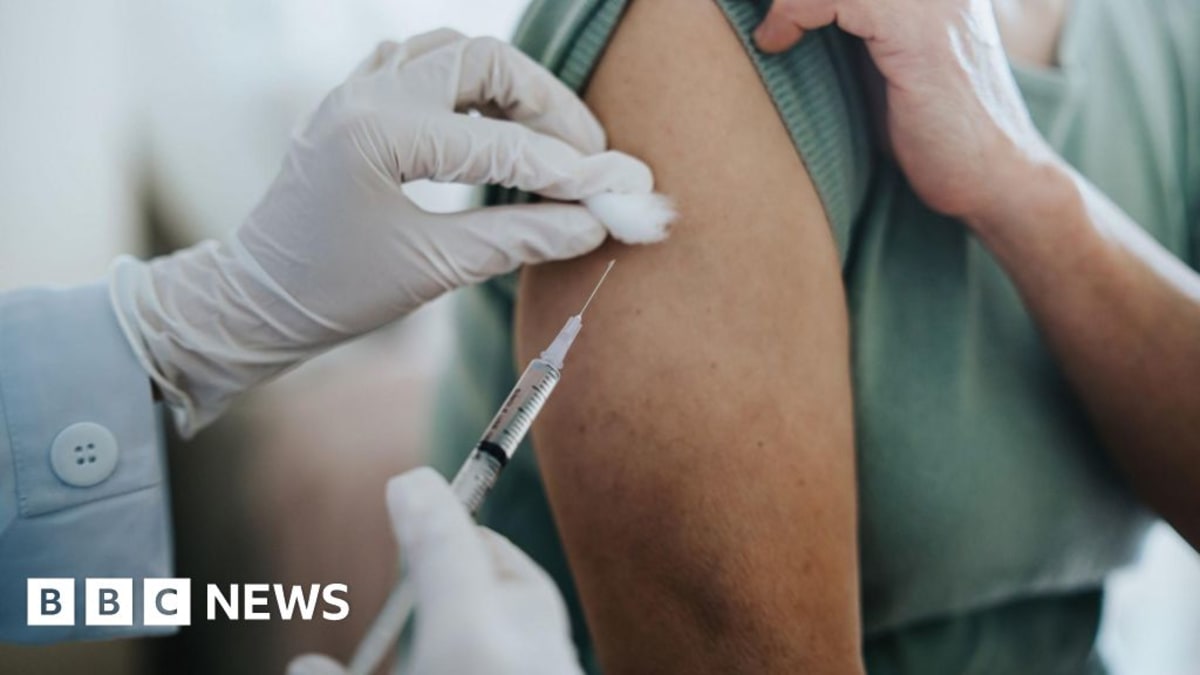
A personalized cancer treatment using the same technology behind COVID vaccines just proved it can significantly reduce melanoma recurrence in the largest trial of its kind. Experts are calling it a breakthrough that could transform how we fight cancer.
After years of promise, cancer researchers have finally shown that mRNA technology can do more than prevent COVID—it can help stop cancer from coming back.
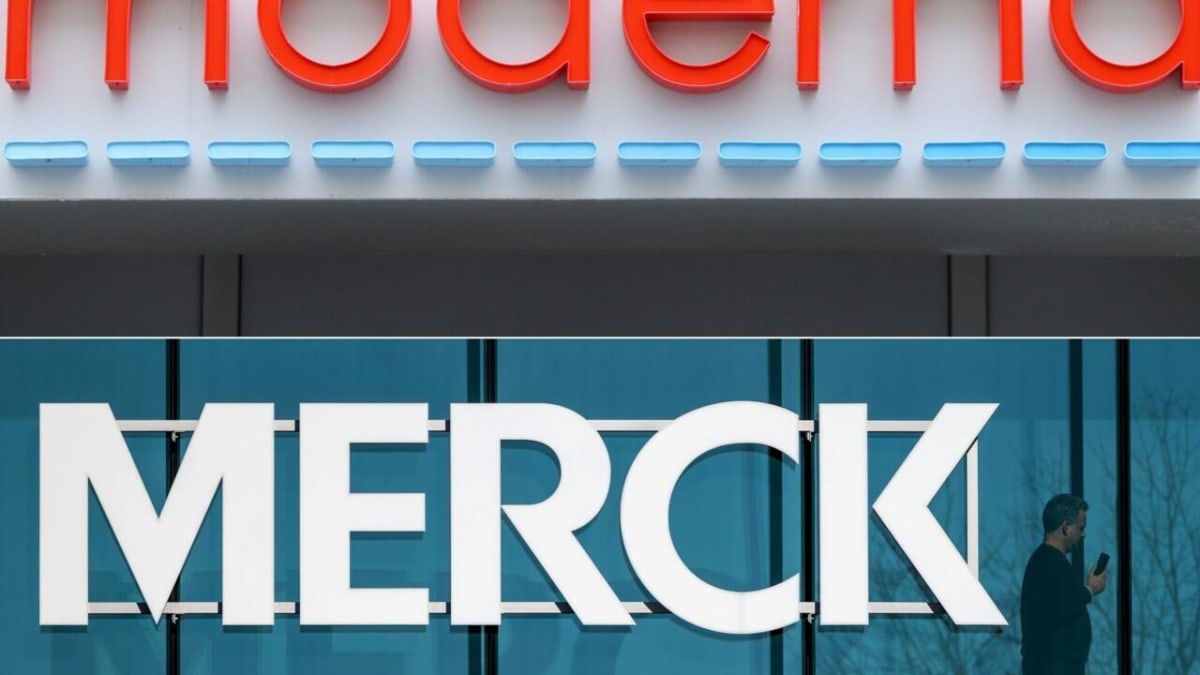
Drugmakers Merck and Moderna announced Wednesday that their personalized melanoma treatment succeeded in a major late-stage trial involving 1,137 patients. The drug, called intismeran autogene, works like a custom-built weapon against each person's unique cancer.
Here's how it works: doctors take a sample of the patient's tumor and identify its specific genetic fingerprint. Then they use mRNA technology to create molecular instructions that train the immune system to recognize and attack those exact cancer cells.
The trial lasted about a year and included patients who had their melanoma surgically removed. Two-thirds received the new mRNA treatment plus pembrolizumab, the current standard drug, while the rest got pembrolizumab alone. The group receiving the combination showed significantly better results in preventing cancer recurrence.
The news sent Moderna's stock soaring 145 percent while Merck's climbed more than 12 percent. But the real winners are the patients who might soon have access to this treatment.
The Ripple Effect
This success reaches far beyond melanoma, which affects over 330,000 people worldwide each year. The trial proves that personalized cancer vaccines actually work, opening doors for treating other cancers.
Merck and Moderna are already testing the treatment against lung, bladder, and kidney cancers. If those trials succeed, millions more patients could benefit from this approach.
Marco Gerlinger, a professor at London's Barts Cancer Institute, called it "a breakthrough in the development of new cancer immunotherapies." Lennard Lee from the University of Oxford described the results as "very encouraging," though experts want to see the complete data at an upcoming international conference.
The technology itself isn't new—scientists conceived mRNA treatments decades ago. But it took the COVID pandemic to prove the approach could work at scale. Now that same innovation is fulfilling its original promise: fighting cancer.
Moderna CEO Stephane Bancel called it "an extraordinary milestone for Moderna, for mRNA science and, most importantly, for patients with cancer." The companies plan to begin filing with regulators for approval soon.
For cancer patients everywhere, this trial offers something precious: hope backed by science.
More Images
Based on reporting by Google News - France Breakthrough
This story was written by BrightWire based on verified news reports.
Spread the positivity!
Share this good news with someone who needs it