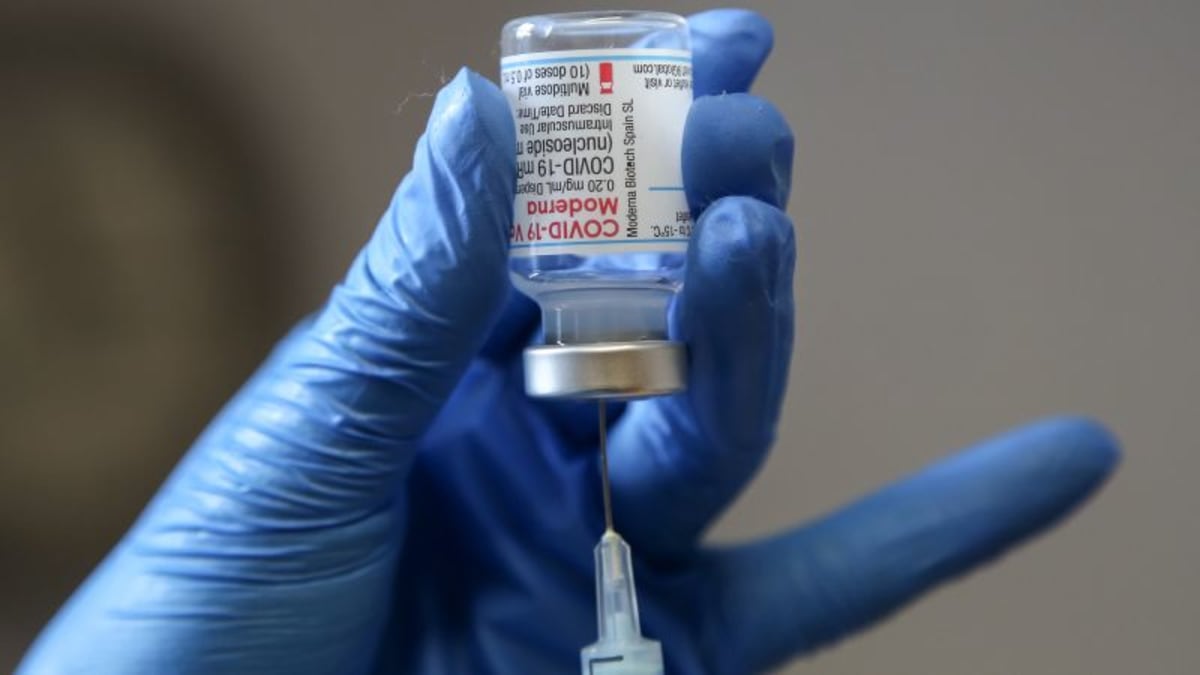
mRNA Cancer Vaccines Show Promise After Difficult Year
After political backlash threatened to derail cancer research, mRNA vaccines are delivering real hope to patients with deadly diseases like pancreatic cancer. New funding and positive trial results suggest the technology could save thousands of lives.
When Vita Sara Blechner felt shooting pains in her back one Saturday afternoon in March 2020, she never imagined doctors would find a pancreatic tumor. The odds were crushing: only 1 in 10 patients survives two years.
But Blechner had options her predecessors didn't. She enrolled in a groundbreaking trial at Memorial Sloan Kettering Cancer Center testing an mRNA vaccine specifically designed to fight pancreatic cancer.
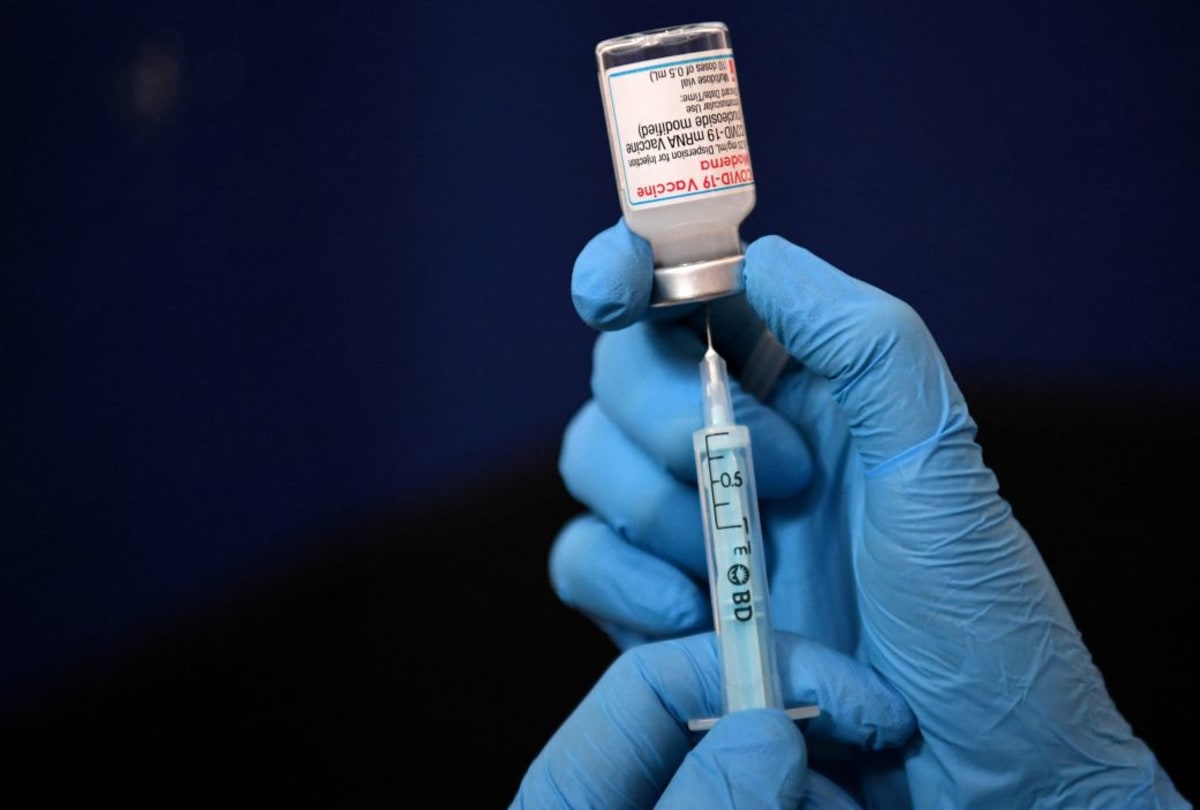
The same mRNA technology that powered COVID vaccines has been quietly revolutionizing cancer treatment for nearly a decade. BioNTech, which partnered with Pfizer on the COVID vaccine, had actually been developing cancer treatments long before the pandemic hit.
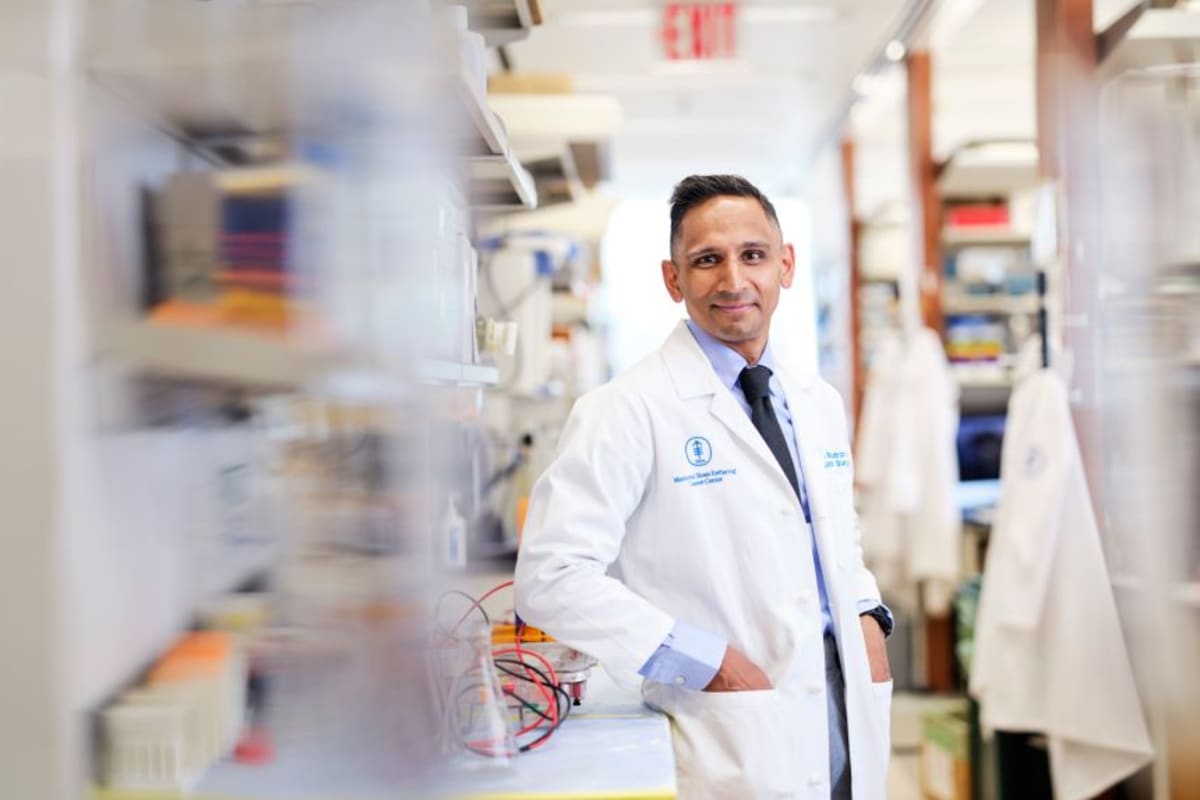
Dr. Vinod Balachandran, who leads MSK's cancer vaccine center, chose to tackle pancreatic cancer precisely because it's so deadly. If researchers could crack this tough case, they'd have a blueprint for treating other cancers too.
His breakthrough came from studying "super survivors," the rare 10% who live more than five years after diagnosis. These patients had 12 times more cancer-fighting T cells than average, and their immune systems recognized their specific tumors as foreign invaders.
The challenge? Every person's cancer is unique. Creating an effective vaccine meant teaching each patient's immune system to recognize their individual tumor mutations.
The past year brought unexpected turbulence. Political backlash against COVID vaccines threatened to slow dozens of potential cancer treatments. Funding dried up as misinformation spread, and researchers worried their work might never reach patients who desperately needed it.
Why This Inspires
Recent months have brought a dramatic turnaround. Multiple early-stage trials are showing positive results in real patients. The National Cancer Institute just announced it will help raise $200 million specifically for novel cancer vaccines, with mRNA treatments at the center of that effort.
"There's been a number of successes in early-stage, positive trials," says Dr. Elizabeth Jaffee, deputy director of Johns Hopkins' cancer center. Researchers are finally seeing their years of work translate into hope for families facing devastating diagnoses.
Dr. Catherine Wu from Harvard Medical School points to growing institutional support as proof the field is gaining momentum. "We're getting a lot of support from NCI in terms of developing and promoting cancer vaccines."
For patients like Blechner who took a chance on experimental treatments, these advances mean their courage is paving the way for others. Every successful trial brings researchers closer to turning deadly cancers into manageable diseases.
Science doesn't move in straight lines, but sometimes persistence pays off in ways that change everything.
More Images

Based on reporting by Google News - Health
This story was written by BrightWire based on verified news reports.
Spread the positivity!
Share this good news with someone who needs it