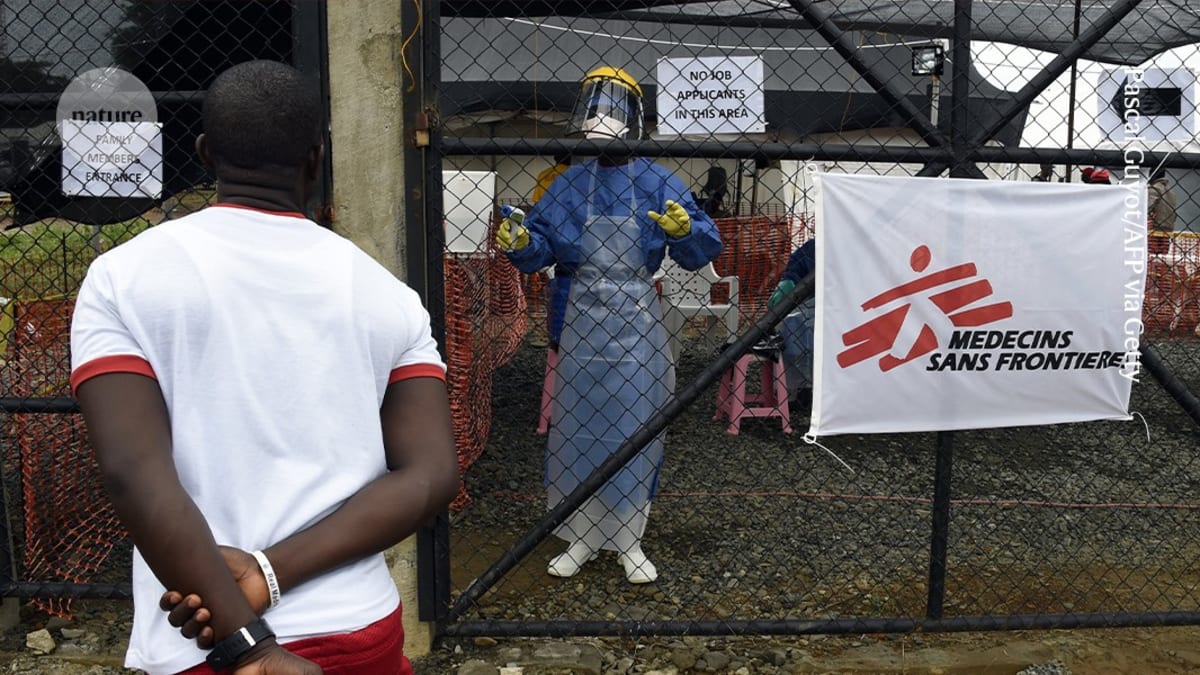
MSF Nurse Brings Community Solutions to Global Crises
A humanitarian nurse is proving that listening to local communities during health emergencies saves more lives than top-down control. Her work during the Ebola crisis showed how compassionate collaboration beats strict quarantine.
When Beverley Stringer arrived in rural Sierra Leone during the 2014 Ebola outbreak, she faced a critical problem that science alone couldn't solve.
Government quarantine zones were keeping people from their farms, creating a choice between starvation and breaking disease control rules. Stringer, a nurse and researcher with Médecins Sans Frontières (also known as Doctors Without Borders), knew there had to be a better way.
Working with traditional healers and local families in Tonkolili, her team discovered something remarkable. Community members designed their own infection control measures that worked just as well as strict quarantines, but without the devastating side effects.
Gardeners without symptoms could tend their crops safely. Neighbors volunteered for contact tracing and surveillance. The community called these "compassionate controls," and they worked because people helped create them instead of having rules forced upon them.
Stringer has spent over 30 years moving between nursing, public policy, and humanitarian work. She started in 1992 setting up a field hospital in Somalia, troubled by the inequities she witnessed in both peacetime pediatric care and war zones.
Now as deputy director of MSF UK's Manson Unit, she leads teams of epidemiologists, social scientists, and clinicians who study how to make medical research actually work in crisis settings. MSF serves people during conflicts, disasters, and epidemics worldwide, employing over 67,000 people funded almost entirely by private donations.
The Ripple Effect
The approach Stringer champions is changing how humanitarian organizations respond to emergencies. Instead of imposing solutions from the outside, MSF now partners with local mutual aid groups in conflict zones like Darfur, providing resources while communities lead their own emergency response.
This collaboration matters more than ever as conflicts grow more complex. In places like South Sudan, Haiti, and Nigeria, criminal organizations control territory, making traditional aid delivery dangerous or impossible.
Stringer's insight remains simple but powerful: technical expertise from organizations like MSF adds value, but without community involvement, problems don't get solved. People hide, ignore regulations, or suffer needlessly under controls that don't respect their daily realities.
Her work proves that the best science listens first.
More Images


Based on reporting by Nature News
This story was written by BrightWire based on verified news reports.
Spread the positivity!
Share this good news with someone who needs it