MSF Opens Health Project for 3 Million in Southwest Ethiopia
Doctors Without Borders just launched a permanent health project in Southwest Ethiopia, bringing free medical care to over three million people in remote communities. The initiative tackles deadly outbreaks while building long-term healthcare systems in one of the region's most vulnerable areas.
More than three million people in Southwest Ethiopia now have access to better healthcare thanks to a new project launched by Médecins Sans Frontières (Doctors Without Borders) in 2025.
The international medical organization established a permanent presence in the region after assessments revealed significant gaps in healthcare access. Communities here face recurring outbreaks of malaria, measles, cholera, and other infectious diseases, often with limited resources to respond.
MSF now supports three key facilities: Jemu and Aday Ababa health centers and Bachuma Primary Hospital. The focus goes beyond treating immediate illness to building lasting infrastructure that can withstand future health emergencies.
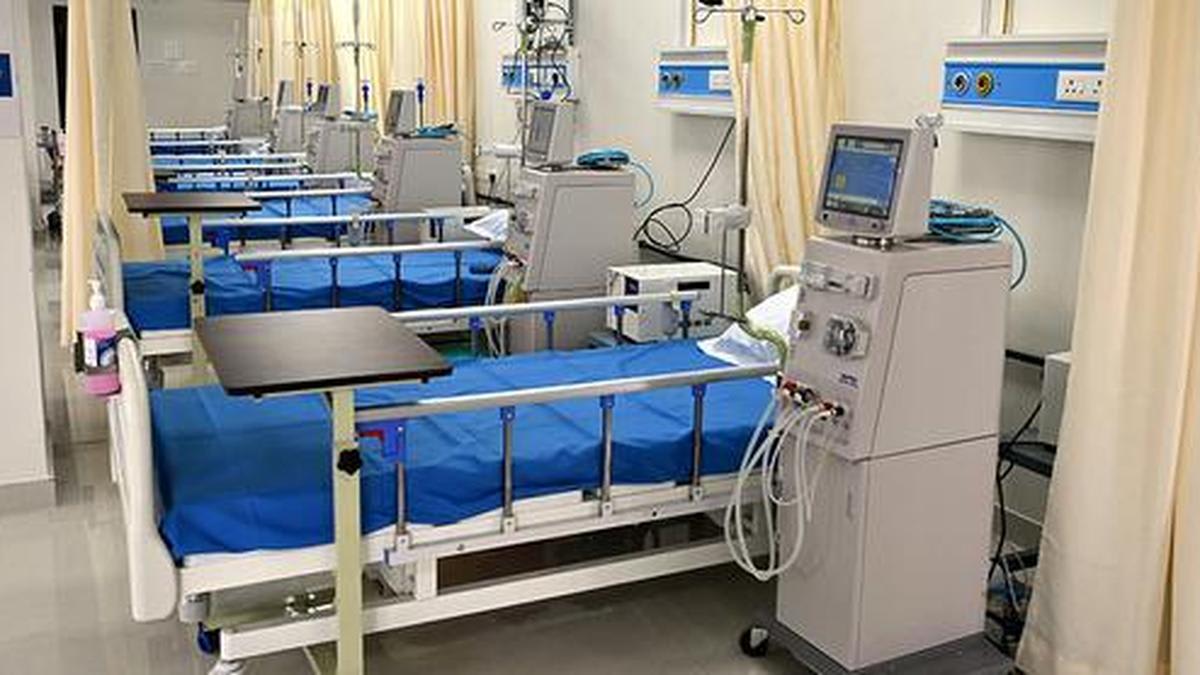
At Bachuma Primary Hospital, teams installed a six-bed isolation ward specifically designed to safely manage infectious disease cases. Solar-powered water systems now provide clean water, a critical defense against disease spread in remote areas where infrastructure is limited.
The organization donated essential medicines, medical supplies, and biomedical equipment while training Ministry of Health staff on emergency response protocols. Community members receive hygiene education to prevent outbreaks before they start.
Working directly with local health authorities, MSF established an infection prevention committee that meets regularly to coordinate responses. They're supplying personal protective equipment, waste management materials, and rebuilding water infrastructure to address root causes of disease transmission.
The Ripple Effect
This partnership model means local healthcare workers gain expertise that will serve communities long after MSF scales back its involvement. Training programs ensure knowledge stays in the region, building capacity that strengthens the entire healthcare system.
The improvements reach beyond emergency response. Routine health data collection helps authorities spot potential outbreaks early, while better referral systems connect remote patients to specialized care they previously couldn't access.
"By working alongside local authorities and health staff, we aim to strengthen outbreak preparedness, improve infection prevention, and reinforce essential health services for communities," says Sayeed Aleem, MSF emergency coordinator in Ethiopia.
For families in Southwest Ethiopia's remote areas, these changes mean their children can receive measles vaccinations, mothers can give birth safely, and entire communities have fighting chance against the next outbreak.
More Images

Based on reporting by AllAfrica - Health
This story was written by BrightWire based on verified news reports.
Spread the positivity!
Share this good news with someone who needs it