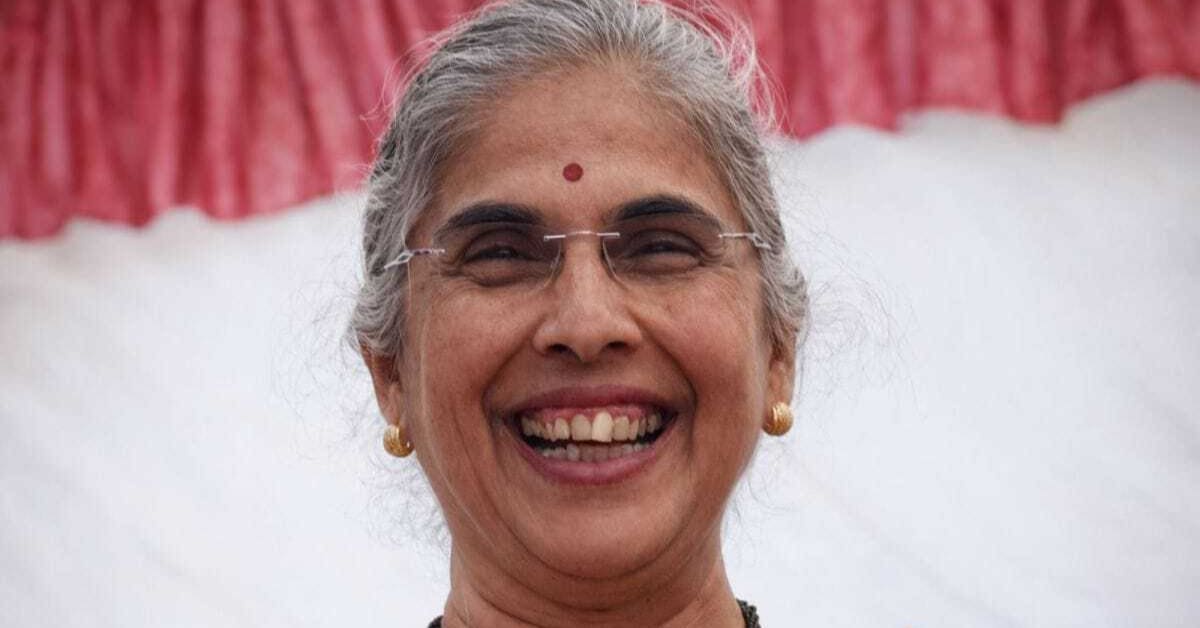
Mumbai Doctor Built Asia's First Human Milk Bank in 1989
Dr Armida Fernandez created Asia's first human milk bank at a Mumbai hospital in 1989, connecting mothers who had extra breast milk with premature babies who desperately needed it. Her pioneering model now saves thousands of vulnerable newborns every year and has sparked a nationwide movement.
In 1989, a Mumbai doctor turned a simple observation into a lifesaving solution that would change newborn care across Asia.
Dr Armida Fernandez noticed something heartbreaking in her neonatal unit at Sion Hospital. Premature babies were struggling to survive without breast milk, while other new mothers had more milk than their own babies needed.
She created a system to bridge that gap. At Lokmanya Tilak Municipal General Hospital, Fernandez established Asia's first human milk bank, where mothers could donate extra breast milk to save babies they would never meet.
The timing was critical. For premature and low-birth-weight infants, breast milk is more than nutrition. It contains antibodies that protect newborns from deadly infections and gives their tiny bodies the best chance at survival.
Fernandez had joined Sion Hospital in 1971 and spent decades caring for Mumbai's most vulnerable babies, many from underserved communities like Dharavi. She watched mothers struggle after difficult deliveries, unable to produce milk right away while their fragile newborns needed it most.
The milk bank collected donations from lactating mothers, then screened, pasteurized, and safely stored the milk for babies who needed it. What started as a revolutionary experiment became a lifeline.
The Ripple Effect
Today, that single milk bank receives up to 1,200 liters of donated milk annually and supports as many as 5,000 babies each year. Infant deaths in the unit dropped significantly as more babies gained access to life-saving breast milk.
Fernandez didn't stop at the milk bank. She championed breastfeeding support and maternal nutrition throughout her three-decade career at Sion Hospital, eventually becoming Professor and Dean of Neonatology.
Her work sparked a nationwide movement. India now has more than 125 human milk banks, though access remains limited outside major cities.
After retiring from the hospital, Fernandez founded SNEHA, an NGO working on maternal and child health across Maharashtra and beyond. The organization uses local partnerships to expand community health programs from single settlements to entire states.
This year, the 83-year-old neonatologist received the Padma Shri, one of India's highest civilian honors. She credits the recognition to her entire team of volunteers and healthcare workers.
Born in Goa and trained in Karnataka, Fernandez chose medicine despite her family encouraging humanities. She spent her career serving some of Mumbai's poorest residents.
Her legacy lives in every premature baby who received donor milk when their mother couldn't provide it, every family spared the agony of preventable loss, and every mother who discovered she could help save a stranger's child.
More Images
.png)
%2Fenglish-betterindia%2Fmedia%2Fmedia_files%2F2026%2F06%2F15%2Fdr-armida-fernandez-2026-06-15-14-03-26.png)

Based on reporting by The Better India
This story was written by BrightWire based on verified news reports.
Spread the positivity!
Share this good news with someone who needs it