Mumbai Starts Voluntary Land Swap for 'Third Mumbai' Hub
India's ambitious Third Mumbai project begins land acquisition for a new 323-square-kilometer urban hub, offering farmers choice in how they're compensated. Landowners across 124 villages can opt for cash, development rights, or developed land in what officials call a "people-centric" approach.
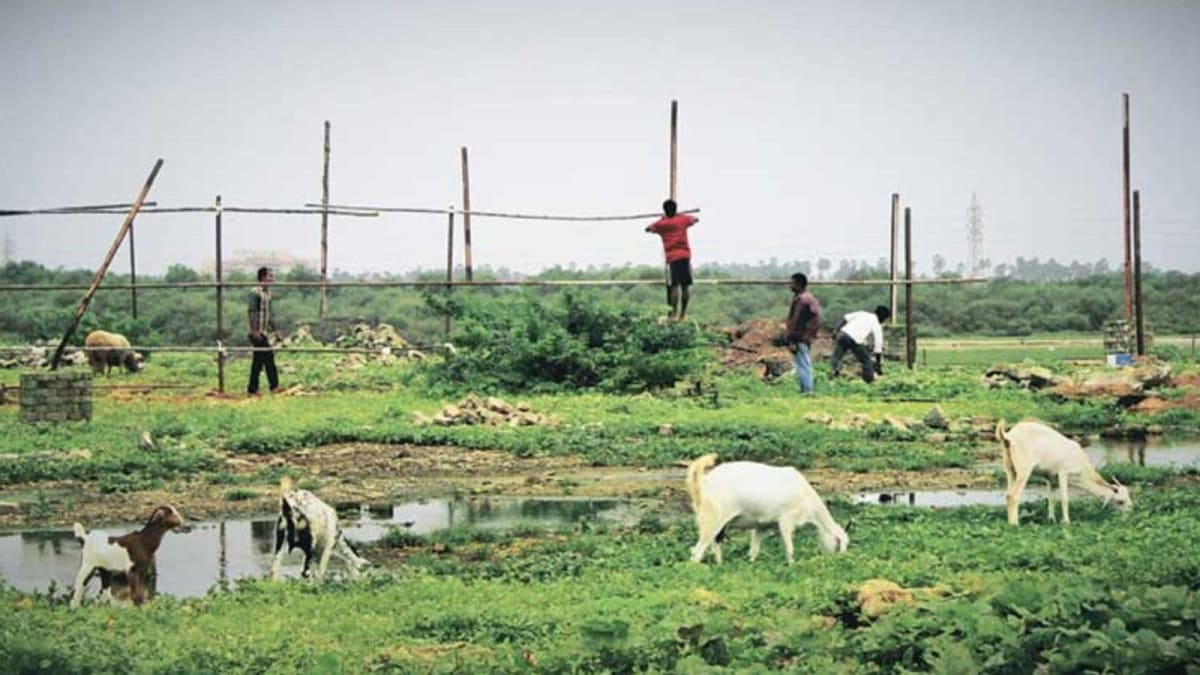
Farmers in India's Raigad district are being invited to help shape a transformative new city, with their consent and choice at the center of the plan.
The Mumbai Metropolitan Region Development Authority has started acquiring land for Third Mumbai, a massive urban development spanning 323 square kilometers across 124 villages. Starting April 27, landowners in the Uran, Panvel, and Pen areas can submit consent forms online to participate in what could become one of India's most ambitious urban projects.
Here's what makes this different: farmers who agree to give up their land get to choose how they're compensated. They can take cash payments based on mutual agreement, receive Floor Space Index or Transferable Development Rights for future development, or get 22.5 percent of their land back as developed property in the same region.
The authority emphasizes that participation is completely voluntary. Farmers who decline won't be pursued, and the project will avoid mangroves, forests, and protected coastal zones.
Third Mumbai sits near the new Navi Mumbai International Airport and the Mumbai Trans Harbour Link, positioning it as a future business and logistics hub. The location offers access to JNPT port, major highways, the Mumbai-Pune Expressway, and upcoming metro connections to Mumbai's main airport.
Plans include mixed-use neighborhoods designed to reduce commuting, housing options from affordable to luxury, and space for data centers, IT companies, fintech firms, universities, and research facilities. The goal is creating a self-sustaining city that brings jobs and investment closer to where people live.
The Ripple Effect
Metropolitan Commissioner Sanjay Mukherjee calls the approach "firmly rooted in people-centric development." By giving landowners multiple compensation options, the project aims to transform how India handles large-scale urban expansion.
The success of voluntary participation could set a new standard for infrastructure projects across India, showing that building cities doesn't require forcing people from their land. When farmers become partners in development rather than obstacles to overcome, everyone wins.
If Third Mumbai delivers on its promise, it could reshape how rapidly growing cities balance expansion with fairness.
Based on reporting by Indian Express
This story was written by BrightWire based on verified news reports.
Spread the positivity!
Share this good news with someone who needs it