Mumbai Store Helps Blind Artisans, Trans Artists Thrive
A Mumbai retail store is transforming lives by selling products made by people with disabilities and marginalized communities, proving that compassion and commerce can work together. Since 2022, Jhappi has partnered with 38 NGOs across India, reviving defunct workshops and creating stable jobs.
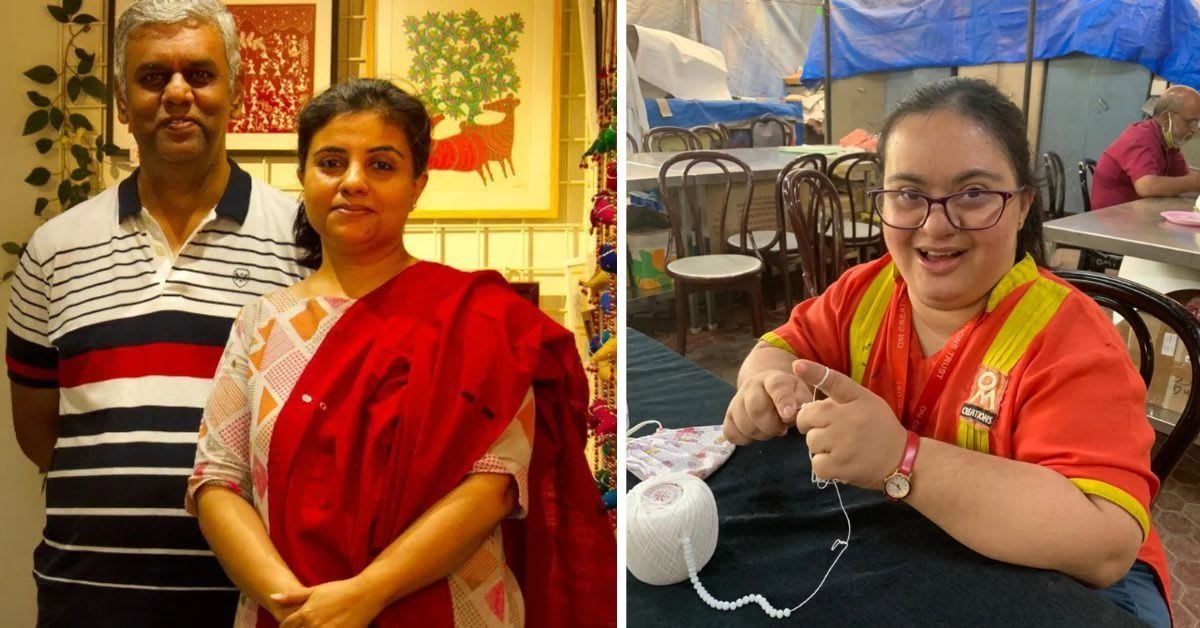
When Bhumika Marwaha and Bipin Joshi quit their corporate jobs in 2020, they wanted their next chapter to mean something beyond profits.
Their Mumbai-based store, Jhappi (meaning "a hug of hope"), now sells umbrellas made by visually impaired artisans, paintings by transgender artists, and handcrafted goods made by women from disadvantaged backgrounds. Every product comes with a story that changes how customers see the makers.
It started with a 2021 campaign to sell inventory for Nethra Umbrellas, a 40-year-old NGO employing people with visual disabilities. Bhumika and Bipin realized these organizations had quality products but lacked visibility and digital know-how. Their campaign sold out the stock.
"A lot of the time, these NGOs would use compassion as a tool to get sales, while the quality of the product should have been the real tool," says Bhumika, 43. "We helped them get their story right."
In 2022, they opened physical retail stores in Mumbai, choosing brick-and-mortar over e-commerce to let customers connect with the stories behind each item. The approach worked better than anyone expected.
When Jhappi partnered with Women's India Trust, they found a defunct block-printing unit sitting on unsold soft toy inventory. Within months, the workshop was revived and struggling to keep up with orders. Those soft toys are now given to young guests at Taj Hotels across India.
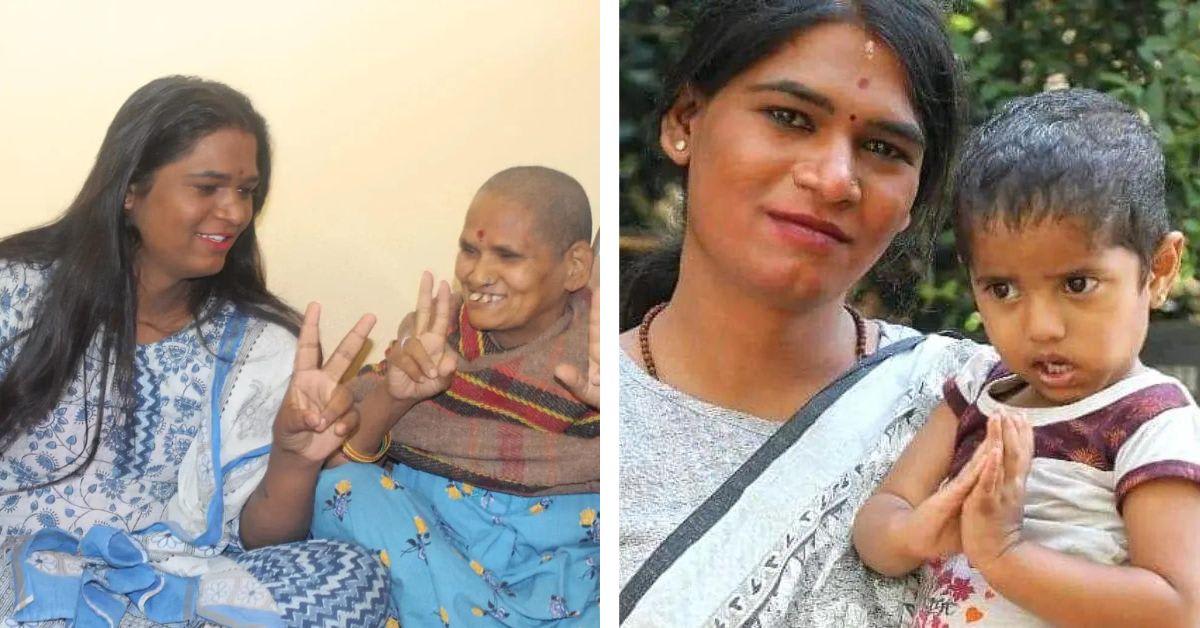
Simran, a trans woman artist, met the founders at a workshop in 2023. Today, her paintings sell in Jhappi stores, and a London supporter commissioned 10 pieces after seeing her work. "It's very, very difficult to find people who can help transgender people put out their products in retail stores," she says.
The Ripple Effect
The impact extends far beyond individual artists. Uma, who makes palm-woven baskets and candles through Wild Ideas, says the consistent orders keep production units running year-round. The stable income helps women support their children's education and meet healthcare needs.
Dr. Sarika Kulkarni from partner NGO Raah Foundation says what stands out most is the respect Jhappi shows artisans. "We, our team and our artisans get enormous respect from them, which motivates us to do more," she notes.
Rubina Naees Fatima, founder of SAFA Society, appreciates Jhappi's collaborative model. "People connect to products but rarely do we find a jhappi being given to the story behind the product," she says.
Jhappi now partners with 38 NGOs across India, selling their products through Mumbai stores while building their digital presence and social media reach. The model proves that people with disabilities and marginalized communities aren't just consumers of resources but skilled producers creating quality goods.
One store at a time, they're rewriting the narrative about what's possible when opportunity meets talent.
More Images
.png)
%2Fenglish-betterindia%2Fmedia%2Fmedia_files%2F2026%2F06%2F05%2Fentrepreneurial-2026-06-05-20-00-38.jpg)

Based on reporting by The Better India
This story was written by BrightWire based on verified news reports.
Spread the positivity!
Share this good news with someone who needs it