Mumbai's German School Celebrates 65 Years of Friendship
A school born from dreams survived wars and exodus to become a bridge between cultures. The Deutsche Schule Bombay opened in 1960 when most expatriates were leaving India, proving that education and community can transcend borders.
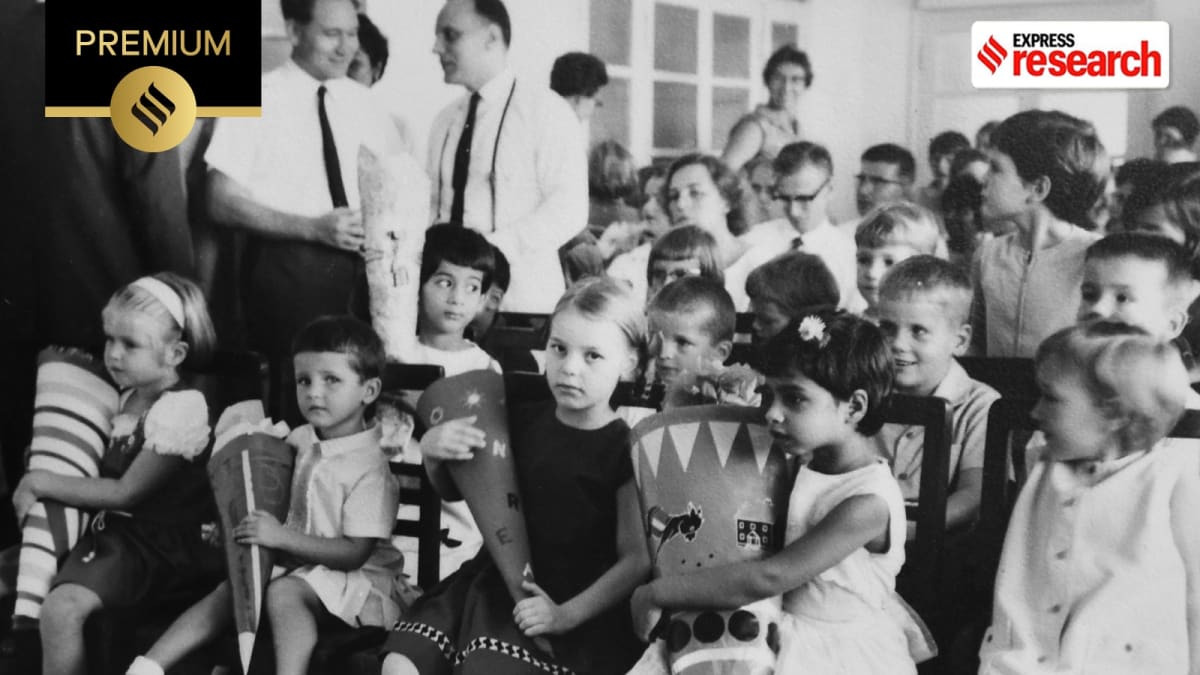
When most foreigners were packing their bags to leave 1960s India, a small group of German families did something unexpected: they opened a school.
The Deutsche Schule Bombay began with just 22 students from eight different countries, all learning together in German. Border conflicts with Pakistan and China threatened to shut it down before it turned one year old, but the community refused to give up on their dream.
What drew Germans to Mumbai in the first place stretches back centuries. Merchants first arrived alongside Portuguese explorers in the 1500s, followed by missionaries in the 1700s who helped establish educational institutions that still stand today.
By the late 1800s, German engineers were helping build India's railways and steel plants. Companies like Siemens sent workers to construct the famous Tata Steel works in Jamshedpur, while Berlin firms laid railroad tracks across the country.
Two world wars nearly erased this connection. German nationals were interned, businesses were seized, and the consulate closed. The community that had grown to become India's second-largest European expatriate group practically vanished overnight.
But after independence, something remarkable happened. Germans began returning, not as colonial representatives but as partners in education and industry.
Why This Inspires
The school that opened in 1960 wasn't just for German children. From day one, it welcomed Japanese, English, Chilean, Swiss, and Italian students, requiring only that they embrace learning in a new language.
This wasn't about preserving a closed community. It was about building bridges through education, even during politically turbulent times when staying would have been easier than arriving.
Today, the school stands as proof that cultural connections can survive wars, political upheaval, and the passage of time. What started as 22 brave families has grown into an institution celebrating over six decades of cross-cultural learning.
The story reminds us that the most lasting international relationships aren't built by governments or corporations alone, but by parents who believe their children deserve to learn alongside children from different worlds.
Based on reporting by Indian Express
This story was written by BrightWire based on verified news reports.
Spread the positivity!
Share this good news with someone who needs it