Munich Study: Electric Trucks Cut Fleet Costs by 10%
Clean commercial semi-trucks can now double as profitable power stations on wheels for public energy grids. Groundbreaking research from the Technical University of Munich shows bidirectional charging slashes fleet expenses while stabilizing local utilities.
Clean transportation just crossed an exhilarating milestone that turns massive freight haulers into clean power plants on wheels. Imagine heavy trucks that transport essential goods silently across countries while simultaneously supplying electricity to nearby neighborhoods.
Researchers at the Technical University of Munich just completed the groundbreaking SPIRIT-E initiative. Their real-world trials prove that commercial electric trucks can serve as highly profitable mobile batteries for public utility networks.
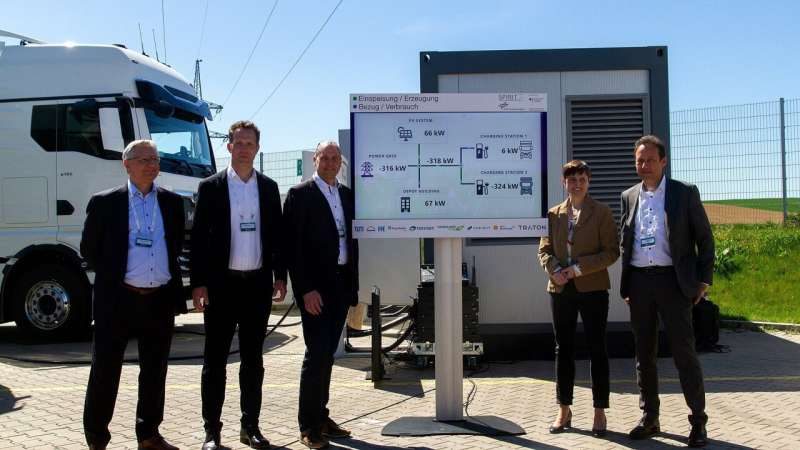
The German research team tested the technology directly alongside an active logistics company in Regensburg. They connected a heavy electric semi-truck boasting a 480 kilowatt-hour battery into specialized bidirectional chargers capable of delivering up to 350 kilowatts.
The truck successfully powered warehouse facilities, sent power to sister vehicles, and balanced the surrounding electrical system on demand. This flexibility transforms parked vehicles from idle assets into reliable clean energy producers.
To ensure practical success on everyday highways, researchers examined driving logs across 2.15 million kilometers of commercial transit. They discovered that smart bidirectional charging cuts total operating costs by more than six cents for every single kilometer traveled.
Fleet managers can soak up inexpensive solar power during sunny afternoons when electricity prices hit rock bottom. When electrical demand surges later in the day, the trucks feed power back to run company depots or sell electricity to utility markets.
That smart rhythm trims annual energy expenditures by roughly ten percent. For a standard long-haul truck traveling regular routes, that savings equals ten thousand kilometers of zero-cost driving every single year.
Advance reservation systems also allow drivers to book charging windows along long-distance corridors ahead of time. This digital coordination shrinks route delays down to a tiny fraction of total transit time.
Companies that pair warehouse rooftop solar arrays with smart vehicle charging reap extraordinary financial returns. These visionary operations save up to 44 percent more on energy costs than businesses that simply replace diesel engines alone.
The Ripple Effect
This breakthrough solves one of the modern world's biggest renewable energy puzzles without requiring expensive new infrastructure. Every parked electric truck becomes a neighborhood battery bank that stores excess wind and solar energy for nearby families.
As freight companies modernize their fleets, cities gain quieter streets, cleaner air, and far stronger electrical grids all at once. Clean transportation is no longer just a climate necessity, but an exciting economic engine for transport workers everywhere.
Tomorrow's highways will carry both the goods we need and the clean power that keeps our communities thriving.
More Images



Based on reporting by Phys.org - Technology
This story was written by BrightWire based on verified news reports.
Play Today’s BrightWire Positive Mini Crossword & Word Game
Keep your mind sharp with our free 5-minute uplifting daily crossword and positivity word puzzle.
Spread the positivity!
Share this good news with someone who needs it