Museums Add Ancient Egyptian "Scent of Eternity" to Exhibits
Scientists recreated the 3,500-year-old fragrance used in Egyptian mummification and now two museums let visitors experience it. The pine, beeswax, and smoky scent brings ancient rituals to life in a whole new way.
Imagine walking through a museum and actually smelling what ancient Egyptians experienced during their most sacred rituals. Thanks to scientists who recreated a 3,500-year-old embalming fragrance, visitors can now experience "the scent of eternity" firsthand.
Barbara Huber from the Max Planck Institute of Geoanthropology analyzed residue from canopic jars that held the organs of an ancient Egyptian noblewoman. Her team identified specific compounds including beeswax, pine resin, bitumen, and aromatic plant extracts that created the complex balms used in mummification.
But Huber didn't stop at identification. She partnered with perfumer Carole Calvez to translate the chemical data into an actual scent people could experience today.
The resulting fragrance combines a strong pine-like woody scent with sweet undertones of beeswax and a smoky bitumen finish. It's more complex than scientists expected, using ingredients that weren't native to Egypt and had to be imported along ancient trade routes.
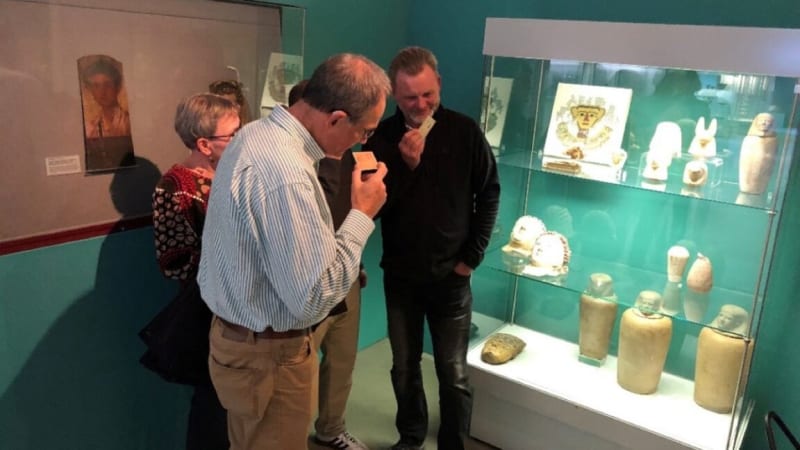
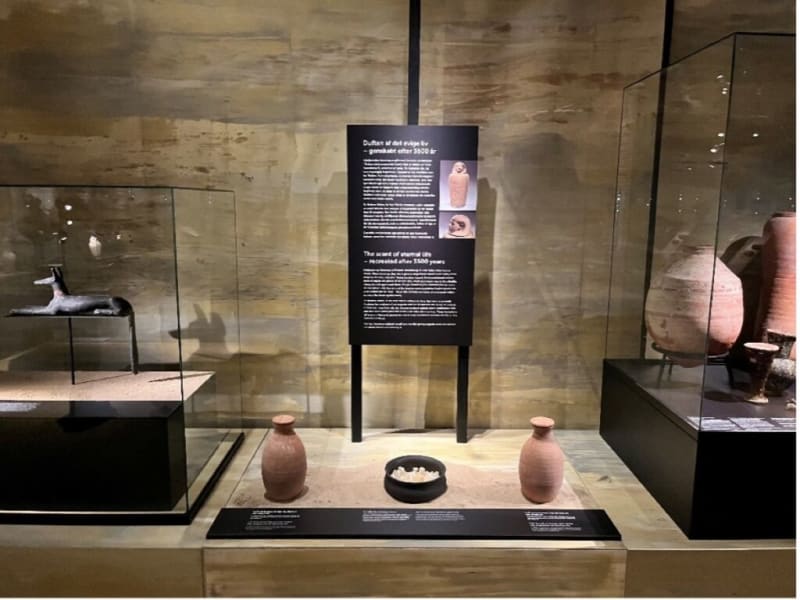
Now two museums have incorporated this ancient aroma into their Egyptian exhibits. The Museum August Kestner in Hanover, Germany uses portable scented cards during guided tours, while the Moesgaard Museum in Denmark built special displays featuring the scent.
Why This Inspires
This creative approach transforms how we connect with history. Reading about mummification rituals in a textbook feels distant and academic, but experiencing the actual scent that filled ancient Egyptian temples makes those ceremonies feel immediate and real.
The project also shows how modern science and creative collaboration can bridge thousands of years. Huber's team published a workflow in Frontiers in Environmental Archaeology so other museums can add authentic scents to their own exhibits, opening new possibilities for sensory learning.
For perfumer Calvez, the challenge went beyond simple replication. She had to imagine the scent as a complete experience, translating individual chemical components into something coherent that honored the original material's complexity.
Ancient Egyptians believed preserving the body with these aromatic balms would protect the deceased in the afterlife. Now, thousands of years later, visitors can breathe in that same protective fragrance and feel connected to those timeless beliefs about life, death, and eternity.
More Images



Based on reporting by Ars Technica Science
This story was written by BrightWire based on verified news reports.
Spread the positivity!
Share this good news with someone who needs it