Music Camp for Blind Students Celebrates 40 Years
For four decades, visually impaired children across Australia have learned braille music at a camp that's launching musical careers and building lifelong friendships. What started as one couple's mission to make music accessible has helped hundreds of young people find their voice.
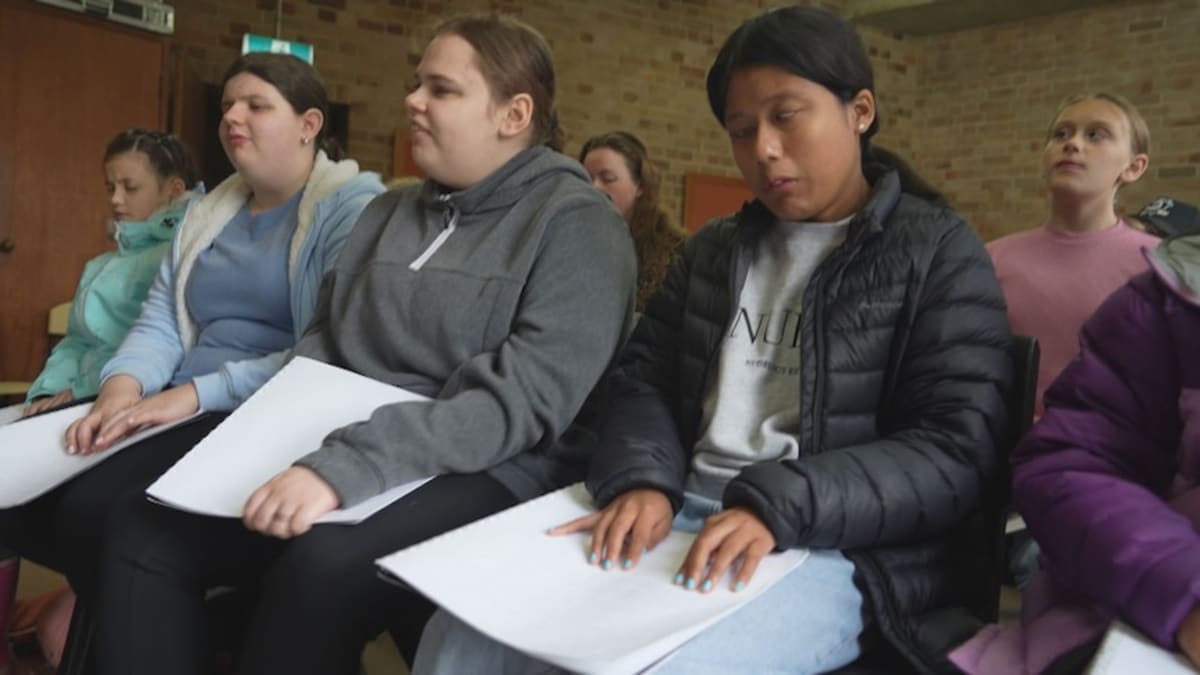
On a winter morning at a private school south of Sydney, a choir's voices fill the halls with perfect pitch and timing. Their secret? Each singer reads music through their fingertips using braille.
The National Braille Music Camp just celebrated its 40th year of teaching blind and visually impaired children how to read, write, and perform music. Held annually at Frensham in Mittagong, the week-long program brings together students from across Australia who share both a love of music and the experience of navigating life without sight.
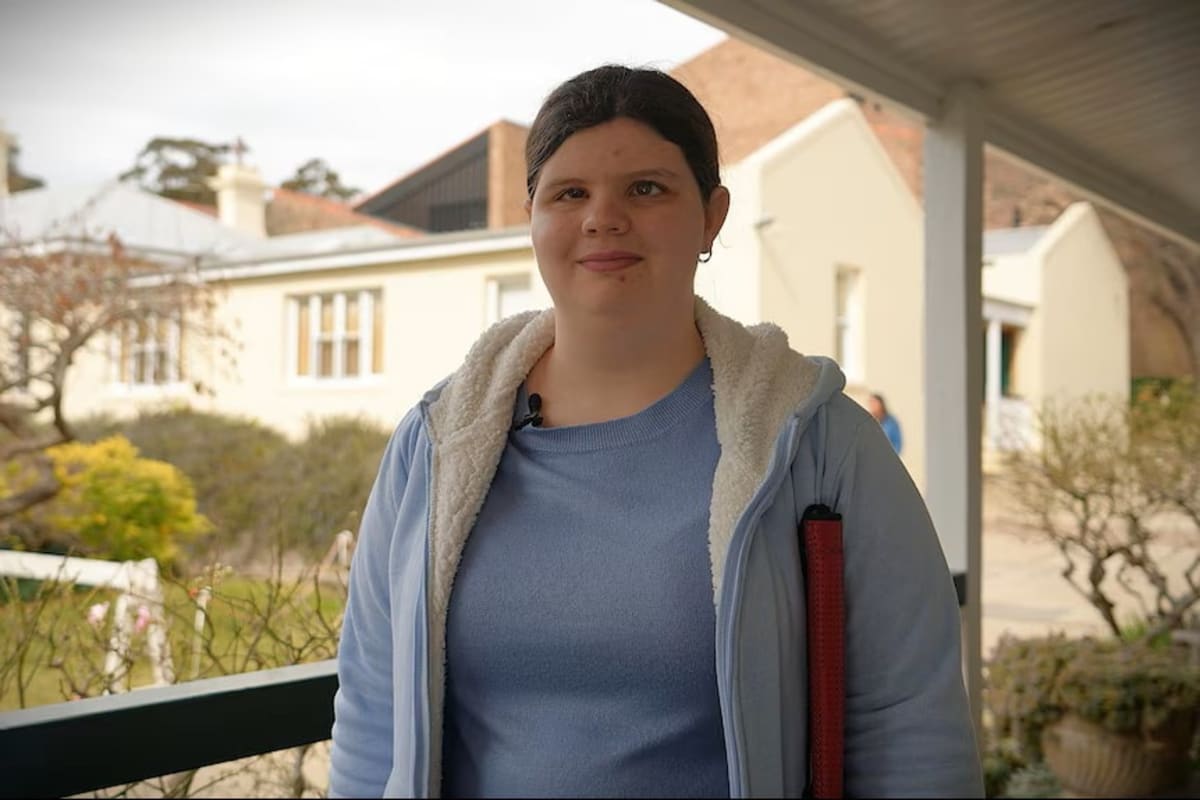
"It makes me happy as it is something I can do," said Morgan Tyrrell, a 14-year-old from Tamworth who became completely blind at six months old. "I love all the socialising, inside jokes, friendship group moments you can make at this place."
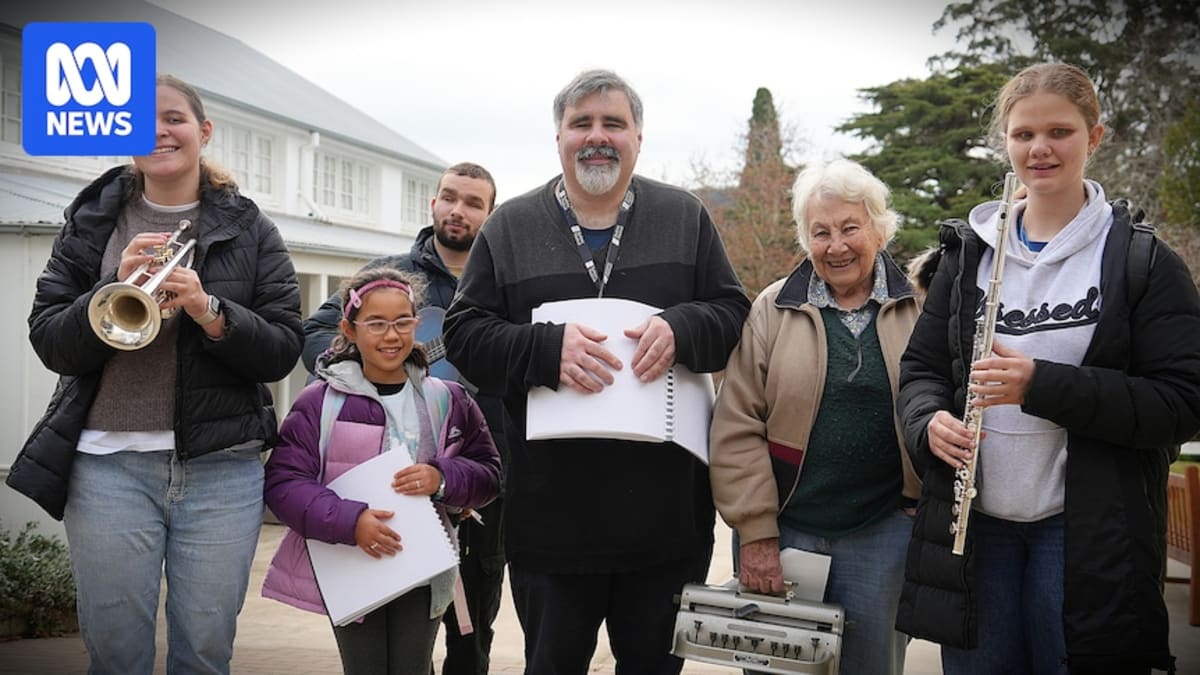
The camp was founded 40 years ago by Roma Dix, now 92, and her blind husband Ian Cooper. They recognized that music education for blind children needed to be more accessible, so they started brailling sheet music by hand. Dix remembers making 500 sheets in a single day, carefully copying out soprano, alto, tenor, and bass parts.
Braille music uses the standard six-dot cell system but assigns unique meanings to represent pitches, rhythms, and dynamics. It's completely different from the alphabet-based braille most people know. Students at camp learn this specialized notation alongside music technology and instrumental workshops, all funded by community donations and supported by Vision Australia.
The Ripple Effect
The impact of this small program reaches far beyond a week of summer activities. Hundreds of students have attended over the decades, with many pursuing professional music careers.
Ben Clarke discovered braille music at the camp when he was 10 years old in 1992. Today, he's a jazz pianist and teacher at the Western Australian Academy of Performing Arts. When Cooper passed away 14 years ago, Clarke was chosen to take over as the camp's musical director.
"It's a very safe space where people can come and maybe not feel so judged or ostracised or alienated because everybody around them gets them," explained Seth Leggatt, another former student who returned as an instructor after the camp sparked his passion for music as a child.
Dix explained why music matters so deeply for blind children. When visual stimulation is absent, the parts of the brain ready for auditory input expand to fill that space. That's why many of the campers have perfect pitch, a rare gift even among sighted musicians.
Now in her nineties, Dix is working on her own succession plan to ensure the camp continues long after she's gone. "By the end of the camp, they are just the happiest group of kids, and they're singing all the time in the dining room, and they're making jokes about the staff," she said. Four decades of harmony, friendship, and futures built one braille dot at a time.
More Images


Based on reporting by ABC Australia
This story was written by BrightWire based on verified news reports.
Spread the positivity!
Share this good news with someone who needs it


